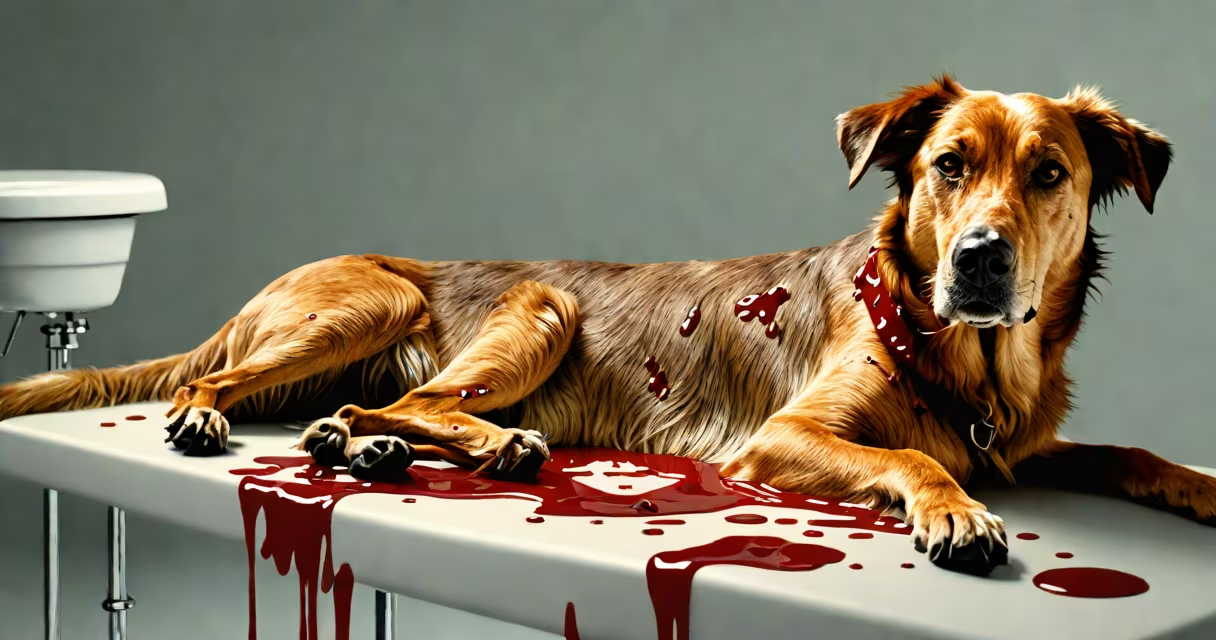
When a dog has bloody diarrhea and is throwing up, it's a medical emergency requiring immediate veterinary attention. This combination indicates severe gastrointestinal distress, possibly due to infection, toxin ingestion, intestinal blockage, or systemic illness such as parvovirus. Delaying treatment increases the risk of rapid dehydration, sepsis, or death.
Blood in a dog's vomit appears as red streaks, fresh clots, or coffee-ground-like material. In diarrhea, it may show as bright red streaks (fresh bleeding) or dark, tarry stools (digested blood). The presence of both symptoms together suggests damage to the stomach or intestines. A single episode of mild blood in stool may not be urgent-but when paired with vomiting, especially if the dog is lethargic, feverish, or refusing food, it demands action.
According to the American Veterinary Medical Association (AVMA), vomiting and bloody diarrhea in dogs are among the top reasons for emergency clinic visits. The ASPCA Animal Poison Control Center reports that over 60% of cases involving gastrointestinal hemorrhage in dogs stem from toxic ingestions-such as chocolate, rat poison, or household cleaners-or viral infections like parvovirus. Early intervention reduces mortality rates.
The digestive tract is a continuous tube. When inflammation or injury occurs anywhere along this path-especially in the stomach lining or small intestine-blood can enter the contents. Vomiting results when the stomach lining becomes irritated or inflamed, often due to irritation, infection, or pressure from a foreign object. Bloody diarrhea arises when the colon or small bowel is damaged, leading to loss of blood and mucus.
Parvovirus, for example, attacks rapidly dividing cells in the intestinal lining. Within 24-48 hours, infected dogs develop severe vomiting, profuse bloody diarrhea, and shock. Without treatment, survival drops below 50%. Other causes include bacterial overgrowth (like Clostridium difficile), pancreatitis, intestinal parasites (e.g., hookworms), or even cancer in older dogs.
A 2022 study published in Veterinary Medicine and Science found that 38% of dogs presenting with hematochezia (bright red blood in stool) and emesis (vomiting) had confirmed intestinal obstruction. Of those, 72% required surgery. The study emphasized that early imaging (ultrasound or X-ray) improves outcomes. Waiting more than 12 hours after symptom onset doubles the risk of fatal complications.
Not all bloody diarrhea and vomiting are caused by the same condition. The appearance of blood and timing of symptoms help narrow the diagnosis.
| Type of Blood | Location of Bleeding | Common Causes |
|---|---|---|
| Bright red streaks in vomit or stool | Lower GI tract (colon, rectum) | Colitis, hemorrhagic gastroenteritis, parasitic infection (hookworms), tumors |
| Dark, tarry vomit or stool (melena) | Stomach or upper small intestine | Ulcers, NSAID toxicity, parvovirus, coagulopathy |
| Clotted or coffee-ground-like vomit | Stomach lining | Severe gastritis, trauma, stress ulcers, ingestion of sharp objects |
For example, a 10-week-old puppy with sudden vomiting, bloody diarrhea, and refusal to eat likely has parvovirus. Parvo spreads through fecal-oral contact and survives in soil for months. The virus destroys intestinal villi, causing fluid loss and secondary infection. Survival rates exceed 90% with aggressive IV fluids, antibiotics, and anti-nausea drugs-but only if treatment begins within 24 hours of symptom onset.
Another common scenario involves ingestion of a foreign object. A 3-year-old terrier swallowed a sock and developed vomiting within four hours. By the time the owner brought him in, he had bloody diarrhea and was dehydrated. Abdominal X-rays revealed a mass in the small intestine. Surgery removed the sock, and recovery took five days. This case illustrates how quickly a minor incident can escalate into a life-threatening situation.
Many owners assume that "a little blood" is normal or that diarrhea will resolve on its own. This belief leads to delayed care. Blood in stool is never normal in dogs-it signals tissue damage. Even if the dog seems otherwise alert, internal bleeding can progress rapidly.
Some confuse bloody diarrhea with dietary indiscretion-eating garbage or spoiled food. While this can cause mild diarrhea, it rarely causes vomiting with blood. If a dog eats a hot dog and develops loose stool, that's different from a dog who vomits blood and passes black, sticky feces. The latter requires a vet visit within six hours.
Another misconception is that home remedies like rice water or pumpkin can treat the underlying cause. These may soothe mild upset stomachs but do nothing against parvovirus, toxins, or obstructions. Using them instead of seeking care can worsen outcomes. The AVMA warns that delaying treatment for bloody diarrhea and vomiting increases mortality by 40% compared to prompt intervention.
If your dog has bloody diarrhea and is throwing up, stop feeding them. Withhold food and water for one hour to prevent further vomiting. Then offer small amounts of ice chips or diluted broth every 15 minutes. Monitor for signs of worsening: collapse, pale gums, cold limbs, or seizures.
Call your veterinarian immediately. If they're closed, go to an emergency clinic. Bring a sample of the vomit or stool if possible-this helps identify blood source and potential pathogens. Avoid giving human medications like Pepto-Bismol or Imodium, which are toxic to dogs.
I once observed a dog with suspected parvovirus during a night shift at a 24-hour animal hospital. The owner brought in a 12-week-old puppy who had vomited twice and passed two episodes of bright red diarrhea. The dog was weak, had a temperature of 100.2°F, and showed signs of dehydration. Within 30 minutes of arrival, we started IV fluids, ran a parvo test, and began antibiotics. The test came back positive. After 72 hours of intensive care, the puppy recovered. That case reinforced how important early recognition is.
Do not wait to see if symptoms improve. My dog is having bloody diarrhea is a red flag. Seek care immediately. Conditions like parvovirus, intestinal blockages, and toxin exposure progress too fast for home management. Early diagnosis and treatment save lives.
Bloody diarrhea and vomiting in dogs are not just uncomfortable-they are dangerous. They signal that something is seriously wrong inside the body. The sooner you act, the better the chance of recovery. If your dog has these symptoms, take them to a vet now.