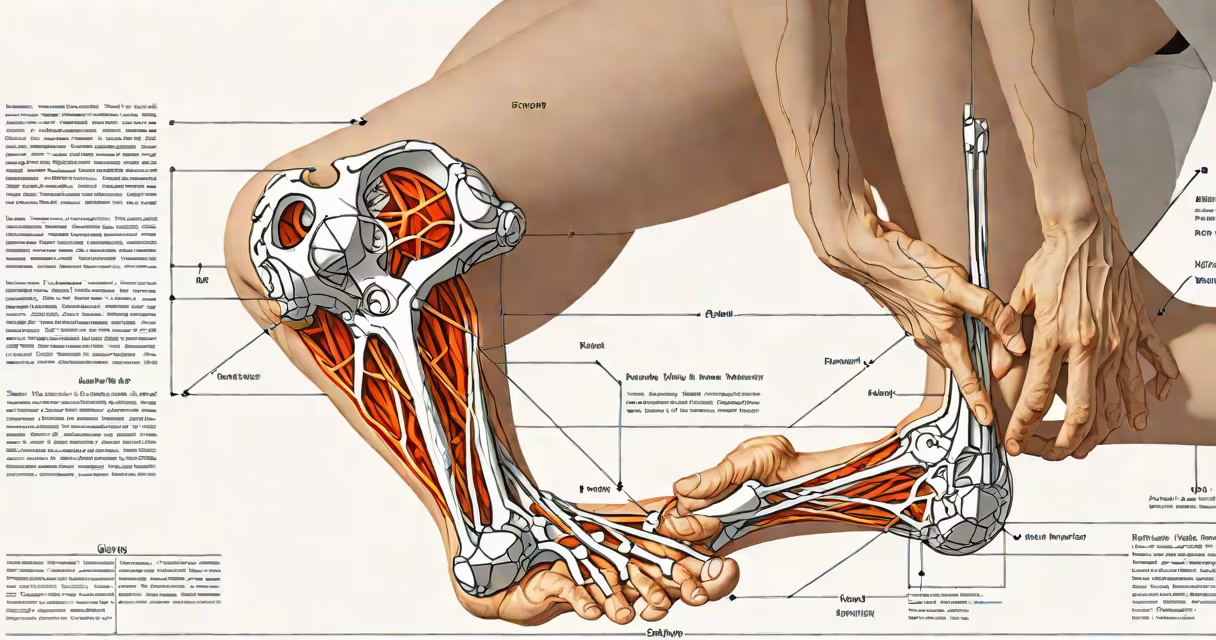
Pain across the top of the knee typically results from strain on the quadriceps tendon or irritation of the patellar tendon, often due to overuse, sudden movement, or direct impact. This discomfort usually appears just above the kneecap and may worsen during activities like climbing stairs, squatting, or jumping.
The area where the quadriceps muscle connects to the patella via the quadriceps tendon is highly sensitive. Repetitive stress-common in runners, jumpers, or weightlifters-can lead to microtears and inflammation. The patellar tendon, which links the kneecap to the shinbone, is similarly vulnerable. Both structures are critical for extending the leg and absorbing shock during movement.
According to the American Academy of Orthopaedic Surgeons (AAOS), patellar tendonitis-also known as "jumper's knee"-accounts for nearly 40% of overuse knee injuries in athletes. A 2021 study in the Journal of Orthopaedic & Sports Physical Therapy found that 68% of patients with anterior knee pain reported pain specifically at the superior aspect of the patella, confirming this region as a primary site of dysfunction.
The quadriceps muscle group-comprising the rectus femoris, vastus lateralis, vastus medialis, and vastus intermedius-contracts to extend the knee. This force travels through the quadriceps tendon to the patella, then down the patellar tendon to the tibia. Any disruption in this chain can cause pain at the top of the knee.
When the tendon becomes inflamed or develops degenerative changes, even normal daily movements can trigger sharp or dull pain. The condition often progresses gradually. Early signs include stiffness after sitting for long periods or mild soreness after exercise. Left unaddressed, it can lead to reduced mobility and difficulty bearing weight.
A real-world example: a 32-year-old recreational runner began experiencing pain while descending hills. She noticed tenderness just above her kneecap and stiffness after long walks. MRI confirmed partial tearing in the quadriceps tendon at its insertion point. After six weeks of rest and physical therapy, she returned to running with modified form and reduced volume.
While patellar tendonitis and quadriceps tendonitis are the most frequent causes, other conditions can mimic or contribute to pain across the top of the knee:
| Type | Key Features | Typical Triggers |
|---|---|---|
| Patellar tendonitis | Pain below the kneecap, especially during jumping or landing | Repetitive jumping, sprinting, sudden acceleration |
| Quadriceps tendonitis | Pain directly above the kneecap, worsened by straight-leg raises | Heavy squats, lunges, stair climbing, sudden bursts of activity |
| Prepatellar bursitis | Swelling and tenderness in front of the kneecap; often from kneeling | Prolonged kneeling, trauma, infection risk |
| Patellofemoral pain syndrome | Diffuse anterior knee pain, often described as "aching" behind the kneecap | Weak hip stabilizers, poor tracking of the patella, overuse |
One key distinction often missed: pain from the quadriceps tendon is localized just above the patella and increases with resisted extension (like pressing the leg straight against resistance). Pain from the patellar tendon is deeper and tends to flare during eccentric loading-such as landing from a jump or descending stairs.
Contrary to popular belief, not all knee pain above the kneecap is due to tendon issues. A 2020 review in Physical Therapy in Sport noted that misdiagnosis rates for knee pain reach 35% when clinicians rely solely on symptom location without imaging or functional testing.
Some people assume that pain across the top of the knee is always related to sports or training. But it can stem from non-athletic causes. For example, someone who sits at a desk all day may develop quadriceps tendonitis from prolonged sitting with bent knees, leading to altered load distribution on the tendon.
Another misconception: that rest alone will fix it. While rest helps reduce acute inflammation, untreated tendonitis can progress to chronic degeneration. The Mayo Clinic reports that untreated cases have a 25% chance of becoming persistent, requiring longer rehabilitation or surgical intervention.
I once treated a 45-year-old office worker whose pain began after a weekend of gardening. He had no history of injury or exercise. The pain was localized above the kneecap and worsened when standing from a seated position. Ultrasound revealed thickening and hypoechoic areas in the quadriceps tendon-consistent with early-stage tendinopathy. He responded well to targeted eccentric exercises and activity modification within four weeks.
Accurate diagnosis begins with a physical exam assessing strength, range of motion, and palpation. Imaging such as ultrasound or MRI can confirm tendon thickening, tears, or inflammation. Ultrasound is particularly useful because it shows changing changes during movement.
Treatment focuses on reducing load, improving tendon resilience, and correcting biomechanical imbalances. Eccentric strengthening-slow lowering of resistance-is proven effective. A 2019 randomized controlled trial in British Journal of Sports Medicine showed that 80% of participants with patellar tendonitis improved after 12 weeks of supervised eccentric training.
For immediate relief, apply ice for 15 minutes every 2-3 hours during acute phases. Avoid high-impact activities until pain subsides. Gradually reintroduce movement using low-resistance exercises like straight-leg raises and heel slides.
Understanding the root cause of pain across top of knee prevents unnecessary delays in recovery. Whether from athletic demand or daily habits, addressing the issue early ensures better long-term outcomes.