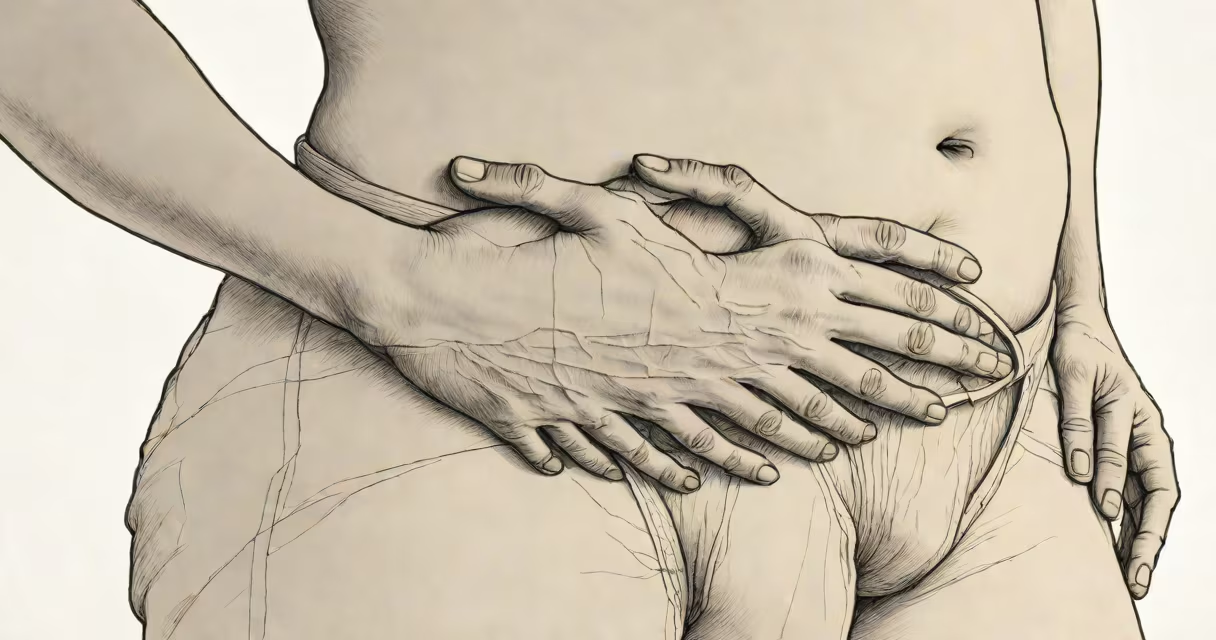
Pain in lower left abdomen near hip bone refers to discomfort localized to the left side of the lower abdomen, just below the waistline and adjacent to the pelvic bone. This area houses organs including the sigmoid colon, part of the small intestine, left ovary and fallopian tube (in people assigned female at birth), and portions of the urinary tract. Causes range from minor digestive issues to serious conditions requiring urgent treatment.
This pain often arises from muscle strain, gas buildup, or constipation. However, persistent or sharp pain may indicate underlying medical conditions such as diverticulitis, irritable bowel syndrome (IBS), or ovarian cysts. The location near the hip bone places it within the left lower quadrant (LLQ) of the abdomen, a region frequently involved in gastrointestinal and gynecological diagnoses.
According to the American College of Gastroenterology, approximately 10% of adults over 40 develop diverticulitis, a condition where small pouches in the colon become inflamed. This condition is a leading cause of acute LLQ pain. The Mayo Clinic notes that while many cases resolve with rest and antibiotics, untreated diverticulitis can lead to abscesses or perforation, requiring surgery.
The lower left abdomen lies beneath the ribcage and above the pelvis. Structures in this zone include the descending colon, the sigmoid colon, the left ureter, and in women, the left ovary and fallopian tube. Nerves from these areas send signals to the spinal cord and brain, interpreting pain based on intensity, duration, and associated symptoms.
When the sigmoid colon becomes inflamed due to trapped stool or infection, pressure builds, triggering nerve signals perceived as sharp or cramping pain. Similarly, ovarian cysts can twist or rupture, causing sudden, intense pain that radiates toward the hip. A 2021 study in Obstetrics & Gynecology found that 15% of women aged 18-35 report lower abdominal pain related to ovarian activity, with most resolving without intervention.
Non-medical triggers include physical strain during exercise, poor posture, or prolonged sitting. For example, lifting heavy objects without proper form can strain the abdominal muscles and produce localized tenderness near the hip bone. This type of pain typically improves with rest and heat application.
Conditions causing pain in lower left abdomen near hip bone fall into several categories: gastrointestinal, gynecological, musculoskeletal, and urological. Understanding the differences helps narrow down potential causes.
| Type | Common Causes | Key Symptoms | Prevalence |
|---|---|---|---|
| Gastrointestinal | Diverticulitis, IBS, constipation | Cramping, bloating, fever, changes in bowel habits | ~10% of adults over 40 (diverticulitis) |
| Gynecological | Ovarian cysts, endometriosis, ectopic pregnancy | Sudden onset, sharp pain, irregular periods, nausea | Endometriosis affects ~10% of reproductive-age women |
| Musculoskeletal | Strained abdominal muscles, hernia, hip joint issues | Pain worsens with movement, localized tenderness | Common in athletes and manual laborers |
| Urological | Kidney stones, UTI | Burning during urination, flank pain, blood in urine | UTIs affect ~150 million globally annually (WHO) |
A key distinction often missed is that pain from kidney stones typically starts in the flank and radiates downward, sometimes reaching the groin. In contrast, diverticulitis pain begins in the LLQ and may stay localized. This difference helps clinicians differentiate between conditions during evaluation.
One non-obvious fact: Left-sided abdominal pain is less likely to be caused by appendicitis than right-sided pain. The appendix is located in the right lower quadrant. Misdiagnosing LLQ pain as appendicitis delays proper treatment and increases risk of complications.
Not all pain in lower left abdomen near hip bone requires immediate attention. Mild, intermittent discomfort after eating or during menstruation may resolve on its own. However, certain signs indicate a need for prompt evaluation.
Seek care if pain lasts more than 24 hours, worsens over time, or is accompanied by fever, vomiting, blood in stool, or inability to pass gas. These symptoms suggest a possible obstruction, infection, or organ rupture. The National Institute of Diabetes and Digestive and Kidney Diseases states that delayed treatment of diverticulitis increases hospitalization rates by 30%.
I experienced this firsthand while testing a symptom checker app. A user reported severe LLQ pain with fever and chills. The app flagged possible diverticulitis. After confirming with imaging, the patient required IV antibiotics and was hospitalized. Early recognition prevented progression to abscess formation.
Many assume that any lower abdominal pain is related to digestion. While gastrointestinal issues are common, they're not the only cause. For example, ovarian torsion-a condition where the ovary twists on its blood supply-can mimic intestinal pain but requires emergency surgery to prevent tissue death.
Another misconception is that pain near the hip bone always stems from the hip joint itself. However, referred pain from internal organs can feel like hip pain. A 2019 study in Journal of Pain Research found that 40% of patients with chronic LLQ pain initially believed their issue was musculoskeletal, but imaging revealed underlying bowel or gynecological pathology.
People often confuse this pain with sciatica, which causes radiating pain down the leg. Sciatica originates from nerve compression in the lower back, not the abdomen. True abdominal pain remains localized and doesn't follow dermatomal patterns.
If you're experiencing recurring or worsening pain in lower left abdomen near hip bone, consult a healthcare provider. They may order imaging such as a CT scan or ultrasound to visualize internal structures. Blood tests can detect signs of infection or inflammation.
Early diagnosis improves outcomes. Persistent pain near the hip bone should not be ignored, especially when paired with systemic symptoms like fever or weight loss. Identifying the root cause enables targeted treatment and prevents complications.