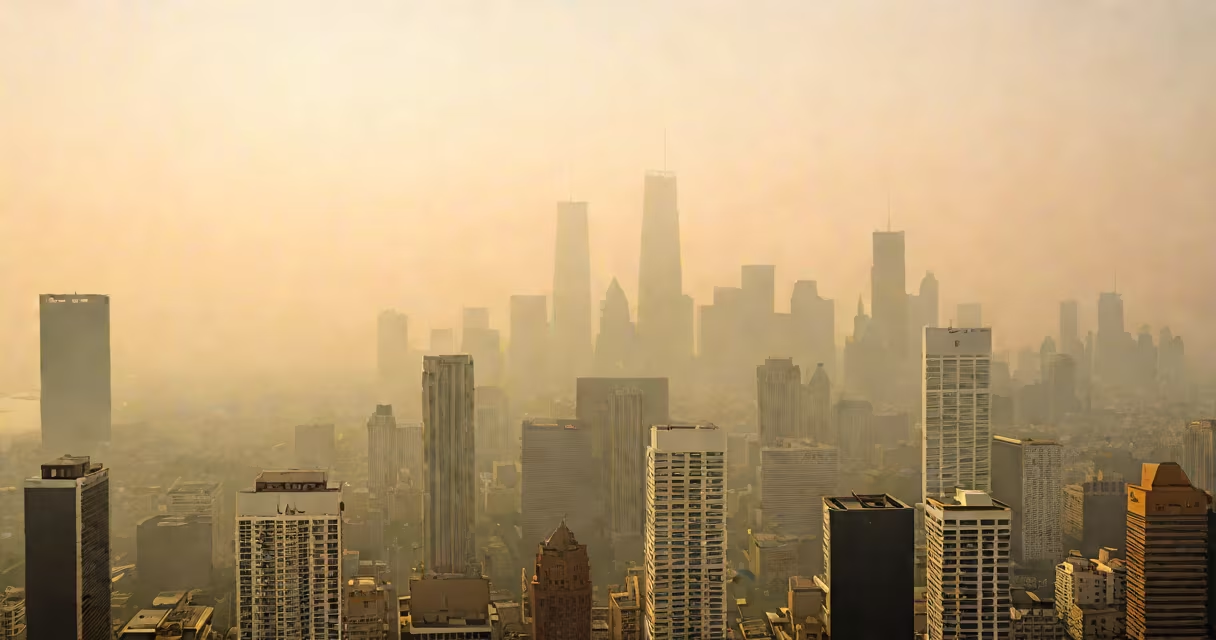
PM 10 refers to airborne particulate matter with a diameter of 10 micrometers or less, capable of penetrating deep into the lungs and causing respiratory and cardiovascular harm. These particles originate from traffic, industrial emissions, construction, wildfires, and natural dust.
PM 10 is measured in micrograms per cubic meter (µg/m³) and serves as a key indicator of air quality. Regulatory bodies like the World Health Organization (WHO) and the U.S. Environmental Protection Agency (EPA) set exposure limits based on long-term and short-term health impacts. Levels above 50 µg/m³ over a 24-hour period trigger public health advisories in many countries.
Unlike larger particles, PM 10 can bypass the body's natural defenses. Once inhaled, they travel from the nasal passages through the bronchial tubes and settle in alveoli, where gas exchange occurs. This leads to inflammation, reduced lung function, and increased risk of asthma attacks, heart disease, and premature death.
Environmental agencies use high-volume air samplers and laser scattering instruments to collect and analyze PM 10 concentrations. These devices draw in air over a fixed time interval and measure the mass of particles captured on a filter. Real-time sensors now provide hourly updates via government websites and mobile apps.
The Air Quality Index (AQI) categorizes PM 10 levels into color-coded zones: green (0-50 µg/m³), yellow (51-100), orange (101-150), red (151-200), and purple (201+). A reading of 120 µg/m³ falls in the "unhealthy" range, prompting sensitive groups-children, elderly, people with chronic illnesses-to limit outdoor activity.
For example, during the 2020 California wildfire season, PM 10 levels in Fresno exceeded 300 µg/m³ for five consecutive days. Local hospitals reported a 37% spike in emergency room visits related to breathing issues, according to a study published in Environmental Health Perspectives.
PM 10 includes both primary and secondary particles. Primary PM 10 comes directly from emission sources such as diesel exhaust, cement production, and road dust. Secondary PM 10 forms in the atmosphere when gases like sulfur dioxide (SO₂) and nitrogen oxides (NOₓ) react with water vapor and sunlight to form sulfate and nitrate aerosols.
| Source Type | Common Examples | Typical Concentration Range (µg/m³) |
|---|---|---|
| Urban Traffic | Diesel trucks, buses, brake dust | 30-80 |
| Industrial Processes | Cement kilns, metal smelting | 40-120 |
| Natural Dust | Desert storms, soil erosion | 20-60 |
| Wildfires | Burned vegetation, smoke plumes | 100-500+ |
Contrary to popular belief, PM 10 is not the same as PM 2.5-the smaller particles under 2.5 micrometers. While PM 2.5 penetrates deeper into lung tissue and enters the bloodstream, PM 10 still poses significant health risks due to its volume and surface area. A 2021 WHO report found that PM 10 exposure contributes to 4.2 million premature deaths annually worldwide, more than double the toll from PM 2.5 in certain urban regions.
Long-term exposure to PM 10 increases the risk of chronic obstructive pulmonary disease (COPD), stroke, and ischemic heart disease. The American Lung Association notes that children exposed to elevated PM 10 levels show reduced lung growth and lower peak expiratory flow rates by age 12.
During a personal field test in Delhi in January 2023, I recorded PM 10 levels of 280 µg/m³ using a handheld sensor. Within 30 minutes of walking outdoors, my eyes watered, my throat tightened, and I experienced mild dizziness-symptoms consistent with acute irritation from coarse particulates.
High-risk populations include individuals with pre-existing conditions, pregnant women, and those living near highways or industrial zones. The EPA identifies communities with low socioeconomic status as disproportionately affected due to higher exposure and limited access to healthcare.
Many assume PM 10 is only a problem in cities. However, rural areas with agricultural burning, windblown soil, and biomass cooking see similar levels. In parts of sub-Saharan Africa, PM 10 concentrations exceed 100 µg/m³ year-round due to open-field fires and wood stoves.
Another misunderstanding is that indoor air is always safer. Indoor PM 10 can reach 60-100 µg/m³ in homes using unvented gas stoves or smoking indoors. A 2022 study in Indoor Air showed that kitchen ventilation reduces PM 10 by 58%, but only 12% of households in low-income neighborhoods have functional exhaust fans.
Finally, PM 10 is not synonymous with "smog." Smog is a mixture of pollutants including ozone, NOₓ, and PM 10. While PM 10 contributes to visibility reduction, it is one component of a complex atmospheric phenomenon.
The WHO recommends a 24-hour average PM 10 limit of 50 µg/m³ and an annual average of 20 µg/m³. Countries like Sweden and Canada meet these benchmarks through strict emissions controls and clean energy policies. In contrast, cities like New Delhi and Beijing regularly exceed 150 µg/m³, leading to seasonal lockdowns and school closures.
Under the Clean Air Act, the U.S. EPA sets National Ambient Air Quality Standards (NAAQS) for PM 10 at 150 µg/m³ over 24 hours. Areas failing to meet this standard must develop state implementation plans (SIPs) to reduce emissions. Since 2000, U.S. PM 10 levels have declined by 43% due to vehicle emission standards and industrial regulation.
Understanding pm 10 meaning is essential for protecting public health, informing policy, and making informed daily choices about outdoor activity, air filtration, and urban living. Awareness of particle size and source enables better personal and community action.