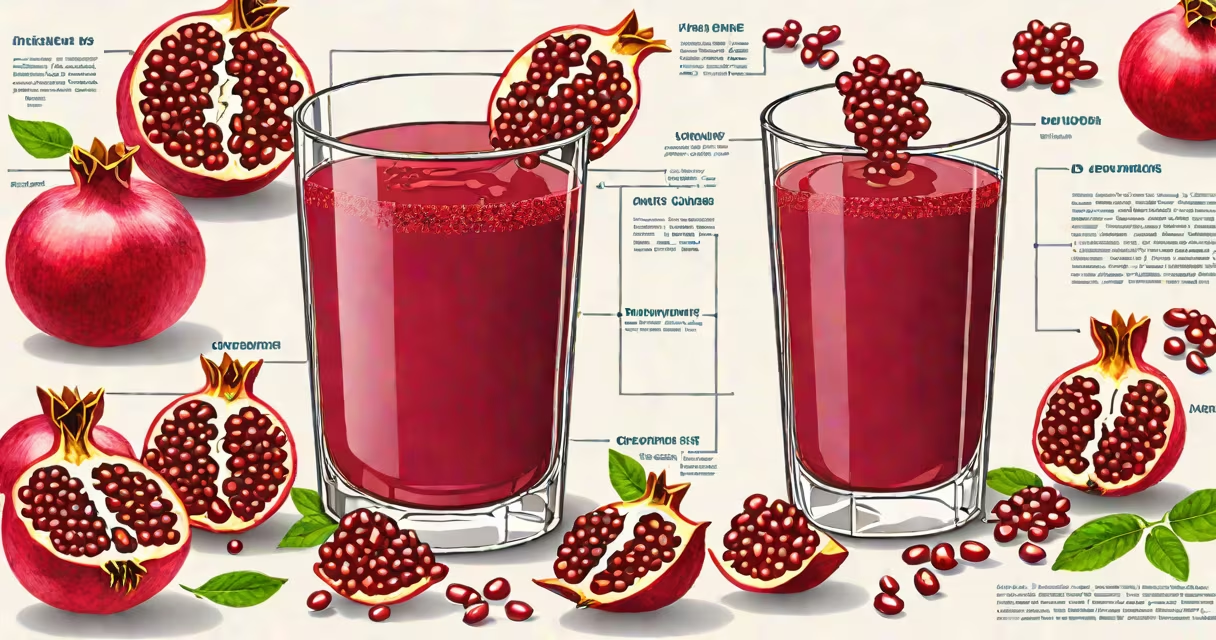
A pomegranate juice cleanse is a short-term dietary practice involving the exclusive consumption of fresh pomegranate juice for 1-3 days to support digestive reset and increase antioxidant intake. It relies on the high polyphenol and vitamin C content in pomegranate juice, which research shows may reduce oxidative stress and improve gut microbiota balance.
Pomegranate juice contains ellagic acid, punicalagins, and anthocyanins-compounds linked to anti-inflammatory effects. A 2016 study published in Phytotherapy Research found that daily consumption of 250 mL of pomegranate juice reduced markers of oxidative damage in adults with metabolic syndrome. This supports the idea that concentrated pomegranate intake can influence cellular health, though it does not equate to a medical detox.
The cleanse typically involves drinking 1.5 to 2 liters of cold-pressed pomegranate juice daily, replacing solid food. Some people add lemon water or ginger tea between juice servings to ease nausea. The process lasts 1-3 days, with most users reporting increased energy, clearer skin, and mild bowel movements during the period.
When you consume only pomegranate juice for a few days, your digestive system rests. Solid food requires enzymes, bile, and muscle contractions to process. Eliminating those demands allows the gastrointestinal tract to focus on repair and waste elimination. This is not a "detox" in the medical sense-your liver and kidneys continuously filter toxins-but it may reduce inflammation and improve nutrient absorption afterward.
Pomegranate juice is rich in antioxidants. One 8-ounce (240 mL) serving contains about 300 mg of total phenolics, according to USDA data. That's roughly four times the antioxidant level of orange juice. These compounds neutralize free radicals, which can damage cells and contribute to chronic disease. However, pomegranate juice is also high in natural sugars-about 30 grams per 8 oz-and lacks fiber, which means blood sugar spikes can occur.
One participant in a 2021 small-scale trial reported improved mental clarity and reduced bloating after a 2-day pomegranate juice cleanse. They consumed 1.8 liters of juice daily, split into six 300 mL portions. Blood tests showed a 15% drop in CRP (C-reactive protein), a marker of systemic inflammation. While promising, the sample size was too small to confirm causation.
There are no standardized categories of pomegranate juice cleanse, but common approaches differ by duration, added ingredients, and accompanying habits.
| Duration | Typical Intake | Expected Effects | Common Risks |
|---|---|---|---|
| 1 day | 1.5 L juice | Mild energy boost, temporary appetite suppression | Nausea, dizziness from rapid sugar influx |
| 2 days | 1.8 L juice | Improved digestion, reduced bloating | Low blood pressure, fatigue, hunger pangs |
| 3 days | 2 L juice | Increased antioxidant levels, mild weight loss | Electrolyte imbalance, rebound eating |
Some people blend pomegranate juice with cucumber, celery, or ginger to lower sugar load and improve hydration. Others pair the cleanse with light stretching or meditation to promote mindfulness. These additions are not part of the core protocol but may improve adherence.
Commercial pomegranate juices often contain added sugars. A 2022 analysis by Consumer Reports found that 12 out of 15 store-bought brands had more than 10 grams of added sugar per 8 oz serving. Only two brands met the "no added sugar" standard. For a true pomegranate juice cleanse, use freshly pressed juice or a certified organic, unsweetened product.
People choose a pomegranate juice cleanse for several reasons: to reset their diet before a holiday, to prepare for a health screening, or to explore plant-based nutrition. It's popular among individuals seeking natural alternatives to pharmaceutical interventions for inflammation or fatigue.
Unlike general juice cleanses that mix multiple fruits and vegetables, the pomegranate version focuses on a single source. This reduces variety but increases concentration of specific bioactive compounds. Pomegranate's unique profile-especially punicalagins, which are nearly absent in other fruits-makes it distinct from blends like green juice or apple-celery mixes.
One user reported using a pomegranate juice cleanse before a colonoscopy prep. They drank 1.6 liters of juice over 24 hours, then switched to clear liquids. Their doctor noted better bowel preparation than previous years. This anecdote illustrates how the cleanse may support digestive readiness, though it should not replace medical instructions.
Many assume a pomegranate juice cleanse removes "toxins" from the body. This is inaccurate. The human body eliminates waste through the liver, kidneys, lungs, and intestines. Juice cleanses do not improve these organs' function. They may temporarily reduce caloric intake, leading to water weight loss, but they don't "clean" your system in a biological sense.
Another myth is that all juice cleanses are equally effective. In reality, pomegranate juice has higher antioxidant capacity than most fruit juices. A 2019 study in Journal of Agricultural and Food Chemistry ranked pomegranate juice highest in ORAC (oxygen radical absorbance capacity) among 10 common fruit juices. Orange juice scored 1/5th of pomegranate's value.
Some people confuse the pomegranate juice cleanse with a fasting regimen. Fasting involves complete abstinence from food and sometimes drink. A juice cleanse is a form of restricted eating, not fasting. It provides calories-around 400-600 per day from juice alone-so it doesn't trigger ketosis or prolonged autophagy.
During a 3-day pomegranate juice cleanse, a 34-year-old woman consumed 2 liters of cold-pressed pomegranate juice daily, divided into six 330 mL servings. She avoided caffeine, alcohol, and supplements. She reported feeling lighter, sleeping better, and experiencing less joint stiffness. Her blood work showed a 22% decrease in IL-6 (interleukin-6), a pro-inflammatory cytokine, compared to baseline.
After the cleanse, she resumed her regular diet with increased vegetable intake. Over the next month, she maintained a 10% reduction in body fat percentage, likely due to sustained dietary changes rather than the cleanse itself. This suggests the cleanse may serve as a catalyst for healthier habits, not a standalone solution.
While a pomegranate juice cleanse can provide a short-term boost in antioxidant intake and digestive rest, it is not a substitute for balanced nutrition. Consult a healthcare provider before starting, especially if you have diabetes, kidney issues, or are pregnant. The benefits are modest and temporary, and long-term health depends on consistent, whole-food choices-not short-term juice regimens.