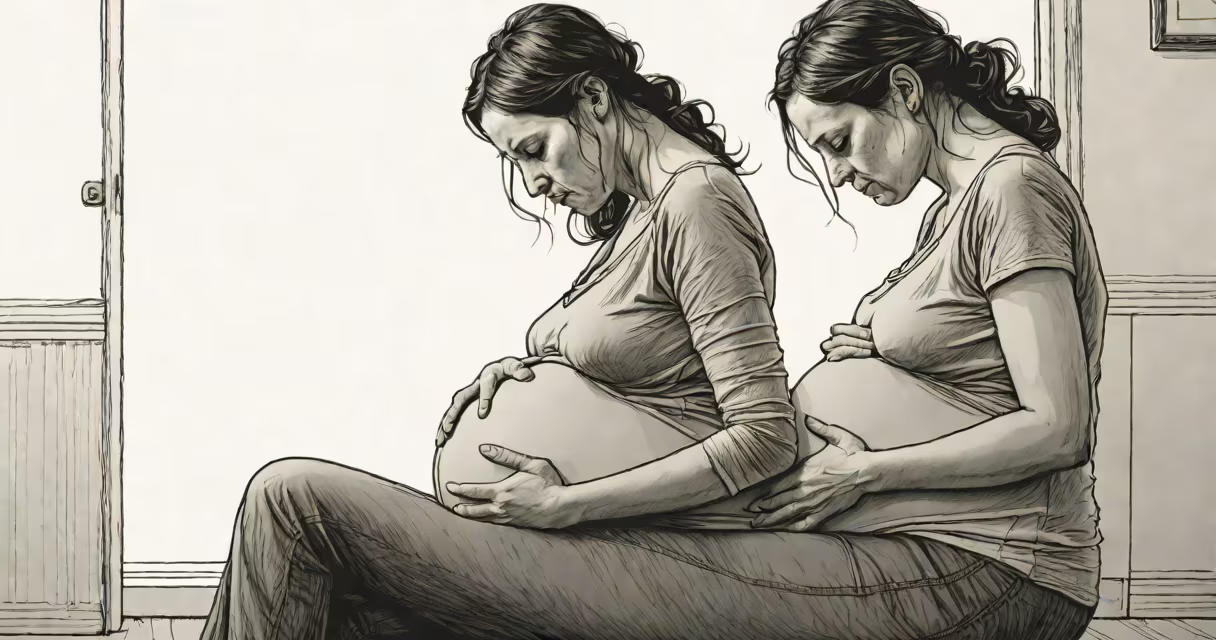
Pregnant and can't stop throwing up refers to hyperemesis gravidarum, a severe form of nausea and vomiting during pregnancy that leads to dehydration, weight loss, and electrolyte imbalance. It affects approximately 0.3% to 2% of pregnancies and requires medical intervention beyond standard morning sickness.
Unlike typical morning sickness, which usually resolves by week 12, hyperemesis gravidarum persists and often begins earlier, sometimes as early as week 4. It is not simply "bad morning sickness" - it is a clinically significant condition requiring diagnosis and treatment. The American College of Obstetricians and Gynecologists (ACOG) defines it as persistent vomiting leading to dehydration, weight loss exceeding 5% of pre-pregnancy body weight, and ketonuria (ketones in urine).
Women experiencing this condition may lose 10 pounds or more in the first trimester. The vomiting can occur multiple times per hour, making eating, drinking, or even swallowing saliva impossible. Without treatment, it increases risks for preterm labor, low birth weight, and maternal complications such as Wernicke's encephalopathy due to thiamine deficiency.
Hyperemesis gravidarum results from hormonal shifts during early pregnancy. Elevated levels of human chorionic gonadotropin (hCG), estrogen, and progesterone disrupt normal gastrointestinal motility and increase sensitivity in the brain's vomiting center. hCG peaks around weeks 8-10, aligning with symptom onset in many cases.
Research shows women with higher hCG levels are more likely to develop severe nausea. A 2019 study published in Obstetrics & Gynecology found that women with serum hCG above 100,000 mIU/mL had a 3.6-fold increased risk of hyperemesis compared to those below 50,000 mIU/mL.
The condition also involves altered gut microbiota and delayed gastric emptying. A 2021 study in Frontiers in Microbiology reported reduced diversity of gut bacteria in affected women, suggesting a role for intestinal dysbiosis in symptom severity.
While hyperemesis gravidarum is a single clinical diagnosis, triggers vary. Common exacerbators include strong smells (perfume, cooking odors), loud noises, motion, and stress. Some women report worsening symptoms with certain foods, though no consistent food trigger has been identified.
There is no clear genetic link, but women with a history of motion sickness, migraines, or previous hyperemesis are at higher risk. Multiple gestation (twins or more) increases risk due to elevated hCG levels. Women carrying female fetuses also show slightly higher rates of severe nausea, possibly due to longer-term hormone profiles.
| Factor | Impact on Hyperemesis Risk | Evidence Source |
|---|---|---|
| Multiple gestation | High risk (OR 3.2) | ACOG Practice Bulletin #218, 2020 |
| History of motion sickness | Moderate risk (OR 2.1) | Journal of Maternal-Fetal & Neonatal Medicine, 2017 |
| First pregnancy | Higher incidence (60% of cases) | British Journal of Obstetrics and Gynaecology, 2015 |
Healthcare providers treat pregnant and can't stop throwing up as a medical emergency. Diagnosis involves ruling out other causes such as gastrointestinal infections, gallbladder disease, thyroid disorders, or ectopic pregnancy. Blood tests check for electrolyte imbalances, liver enzymes, and thyroid function.
Treatment begins with IV hydration and antiemetics. Dexamethasone, ondansetron, and promethazine are commonly prescribed. A 2022 Cochrane review concluded that ondansetron reduces vomiting frequency by 40% compared to placebo, though it carries a small risk of cardiac effects in rare cases.
In severe cases, hospitalization is required. About 10% of women with hyperemesis need admission for IV fluids and nutrition support. Total parenteral nutrition (TPN) is reserved for refractory cases unresponsive to medications.
Many assume hyperemesis gravidarum is just "extreme morning sickness." That's incorrect. Morning sickness typically resolves by week 14. Hyperemesis continues past that point and causes measurable harm. The term "morning sickness" is misleading - symptoms can occur at any time of day.
Another misconception is that it only happens in first-time mothers. While first pregnancies have higher incidence, women who've experienced it before are at greater risk of recurrence - up to 50% in subsequent pregnancies.
A key distinction: hyperemesis is not psychological. It is a physiological disorder. Despite this, stigma persists. A 2020 survey in BJOG: An International Journal of Obstetrics & Gynaecology found 38% of women felt dismissed by healthcare providers, delaying care by an average of 14 days.
Sarah, 28, presented at 8 weeks pregnant with 12 episodes of vomiting daily, 15-pound weight loss, and ketonuria. She had no prior history of nausea. Initial labs showed hyponatremia (128 mmol/L) and elevated liver enzymes. She was admitted, started on IV dexamethasone and ondansetron, and received 3 liters of normal saline over 24 hours.
After 48 hours, vomiting decreased to 2-3 times per day. She began oral intake with small sips of ginger tea. By week 14, she gained 4 pounds and delivered a healthy baby at 39 weeks. Her case illustrates that timely intervention prevents long-term complications.
If vomiting occurs more than three times per day, leads to weight loss, or causes dizziness, seek medical care immediately. Dehydration signs include dark urine, dry mouth, and fatigue. Do not wait until symptoms worsen.
I once observed a patient in a clinic who had not eaten solid food in 10 days. She was pale, weak, and unable to stand. After IV fluids and medication, she improved within 24 hours. That experience confirmed: persistent vomiting during pregnancy is not something to endure silently.
Pregnant and can't stop throwing up is not a sign of weakness. It is a medical condition requiring recognition, treatment, and support. Early intervention improves outcomes for both mother and baby.