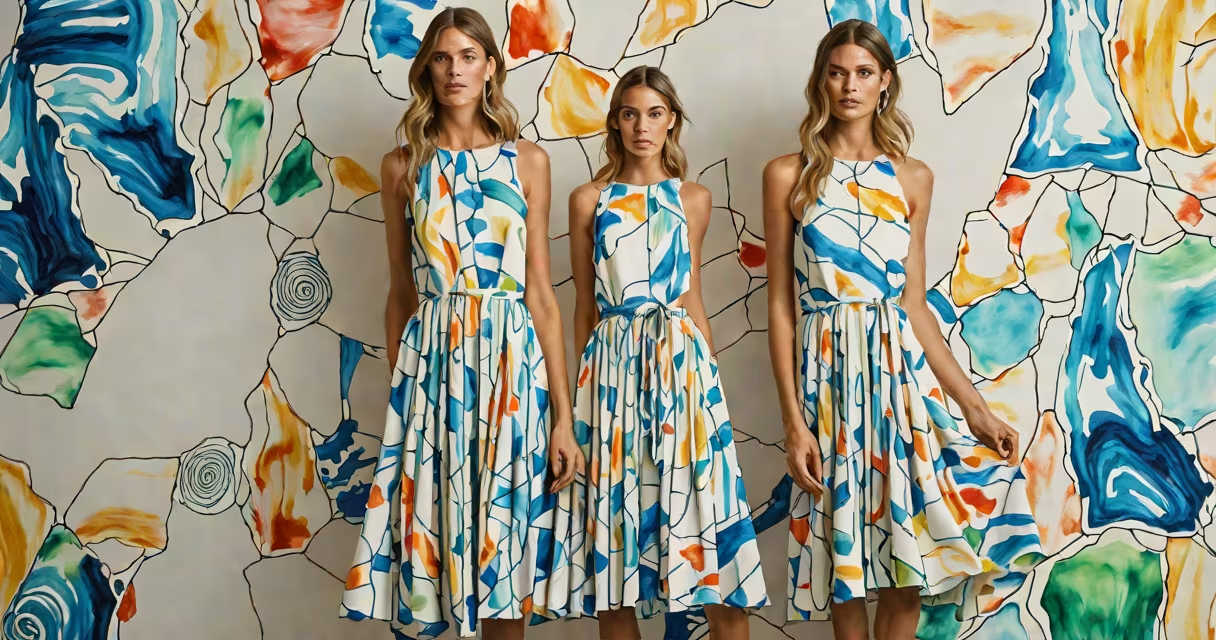
Popular trends in sustainable fashion involve shifting from fast production cycles to long-lasting, low-impact clothing using recycled materials, repair-focused design, and transparent supply chains. These changes respond to environmental damage caused by traditional textile manufacturing and growing consumer demand for accountability.
Sustainable fashion emerged as a response to the environmental toll of mass-produced clothing. The industry produces 10% of global carbon emissions and consumes 93 billion cubic meters of water annually, according to the United Nations Environment Programme. Brands now prioritize biodegradable fabrics, reduced water use, and closed-loop systems where waste becomes raw material. This shift moves beyond aesthetics toward measurable ecological impact.
Consumers increasingly reject disposable wardrobes. A 2023 McKinsey report found that 65% of shoppers under 35 consider sustainability a key factor in purchasing decisions. This demand fuels innovation in materials and business models. The most visible shifts include the rise of rental platforms, resale marketplaces, and brands offering repair services. These trends reflect a move of clothing.
These trends function through systemic changes in material sourcing, production methods, and consumer behavior. Instead of extracting virgin resources, brands use post-consumer waste-like plastic bottles or discarded denim-to create new fibers. For example, Patagonia's ReCrafted line uses 100% recycled polyester from plastic bottles, reducing reliance on fossil fuels and diverting waste from landfills.
Designers also adopt modular construction, allowing garments to be disassembled and repaired. This extends product life by years. A 2022 study by the Ellen MacArthur Foundation showed that extending garment life by just nine months reduces carbon, water, and waste footprints by 20-30%. Repair programs like those offered by Nudie Jeans or Eileen Fisher encourage customers to return worn items for free mending, fostering brand loyalty and reducing landfill contributions.
Transparency is another pillar. Brands publish detailed supply chain maps, including factory locations, labor conditions, and chemical usage. Everlane's "Radical Transparency" initiative shares actual factory costs and worker wages, setting a benchmark for accountability. Without such disclosures, claims of sustainability risk becoming greenwashing.
The following table outlines major materials and approaches shaping current trends:
| Type | Source | Environmental Impact | Example Brand |
|---|---|---|---|
| Recycled polyester | Plastic bottles (post-consumer) | Reduces oil use by 75%, cuts CO₂ by 50% | Patagonia, Reformation |
| Organic cotton | Non-GMO, pesticide-free farming | Uses 91% less water than conventional cotton | People Tree, Pact |
| Plant-based leather | Apple peels, pineapple leaves, mushrooms | Biodegradable; avoids animal slaughter and petrochemicals | Adidas x MycoWorks, Stella McCartney |
| Zero-waste pattern cutting | Software-driven layout optimization | Reduces fabric scrap by up to 40% | Re/Done, Amour Vert |
One non-obvious fact: Not all recycled materials are equal. Recycled polyester still sheds microplastics during washing-up to 700,000 particles per wash, per a 2021 study in *Environmental Science & Technology*. To counter this, brands like Guppyfriend now offer laundry bags that capture these fibers. This shows that sustainability isn't just about origin-it includes lifecycle management.
Urban centers with high environmental awareness-such as Berlin, Copenhagen, and Portland-lead adoption. Cities with strong public transit and cultural support for reuse see higher participation in clothing swaps and repair cafes. In Berlin, the nonprofit "Kleiderkreisel" hosts monthly swap events where attendees trade clothes, reducing consumption and building community.
Brands use these trends to meet regulatory pressure. The EU's Green Deal mandates that all textiles sold in member states must be recyclable by 2030. The UK's Environmental Act requires companies to disclose environmental impacts of their products. These laws push brands toward compliance, making sustainability a legal necessity, not just a marketing tool.
A common misconception is that sustainable fashion is inherently expensive. While premium pricing exists-due to ethical labor and quality materials-this isn't universal. Secondhand markets like ThredUp and Vestiaire Collective offer designer pieces for under $50. A 2023 report from ThredUp found that 62% of U.S. shoppers bought secondhand clothing in the past year, often at prices below retail.
Many assume "eco-friendly" means natural fibers only. But organic cotton, while better than conventional, still requires significant land and water. A single cotton T-shirt uses 2,700 liters of water. Alternatives like TENCEL™ lyocell, made from sustainably harvested wood pulp, use 95% less water and are fully biodegradable. This highlights that material choice must be evaluated holistically.
Another error is equating "slow fashion" with minimalism. Slow fashion emphasizes longevity and craftsmanship, but doesn't require a bare wardrobe. It supports seasonal rotation, quality over quantity, and thoughtful curation. A 2022 survey by the Fashion Revolution found that 41% of people who adopted slow fashion still owned 20+ garments-they simply wore them longer and bought fewer new ones.
I once attended a pop-up event in Brooklyn where a local collective displayed 30 garments made entirely from donated textiles. They used hand-stitching, darning, and patchwork to extend life. One jacket had been altered five times over eight years. The wearer said, "I don't love it because it's new-I love it because it's mine." That moment captured the emotional weight behind these trends: fashion as identity, not just consumption.
Understanding popular trends in sustainable fashion reveals a shift. These movements aren't temporary fads-they're responses to climate risk, resource depletion, and social equity. As consumer habits evolve, so too do the standards for what counts as responsible style.