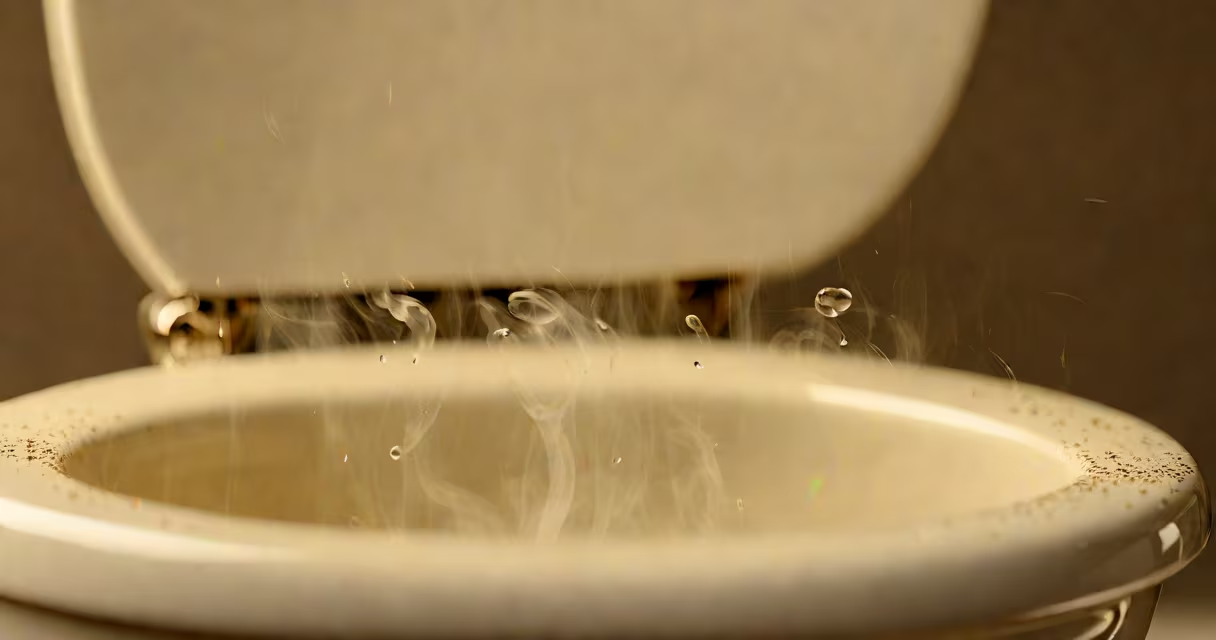
Human feces can emit a smell similar to natural gas because both contain methane, a colorless, flammable gas produced by anaerobic bacteria breaking down undigested food in the large intestine. Methane is also the primary component of natural gas, which explains the olfactory overlap.
Methane forms when microbes in the colon ferment fiber, sugars, and other indigestible compounds. These bacteria thrive in oxygen-free environments, such as the lower gastrointestinal tract. As they metabolize food remnants, they release gases-including methane, hydrogen sulfide, and carbon dioxide-that exit the body through flatulence or defecation. The mixture creates the characteristic odor associated with bowel movements.
Natural gas pipelines deliver methane purified to over 95% purity. However, utility companies add mercaptan-a sulfur-containing compound-to give natural gas a detectable rotten-egg smell. This additive ensures leaks are noticeable. In contrast, fecal methane lacks mercaptan, so its scent is less sharp and more earthy. Still, the underlying presence of methane causes the similarity in odor perception.
The process begins in the small intestine, where most nutrients are absorbed. Any remaining carbohydrates, proteins, and fats move into the large intestine. Here, billions of anaerobic bacteria consume these materials through fermentation. This metabolic activity produces short-chain fatty acids, gases, and waste products.
Among the gases, methane is generated primarily by archaea-single-celled organisms distinct from bacteria. These microbes belong to the domain Archaea and specialize in converting hydrogen and carbon dioxide into methane. Not everyone hosts methane-producing microbes; studies show only about 30% of people produce significant amounts of methane in their stool.
A 2016 study published in Scientific Reports analyzed fecal samples from 1,000 individuals and found that those who exhaled methane had higher levels of methanogenic archaea in their gut microbiome. These individuals were also more likely to report foul-smelling stools, confirming a direct link between methane production and odor intensity.
Fecal gas is a complex mix. While methane contributes to the "natural gas" smell, other compounds dominate the odor profile:
| Gaseous Compound | Source | Smell Description | Contribution to Odor |
|---|---|---|---|
| Methane (CH₄) | Archaea in colon | Odorless, but gives "gas-like" impression | Low odor impact, but signals microbial activity |
| Hydrogen sulfide (H₂S) | Bacterial breakdown of sulfur-rich foods | Rotten eggs, pungent | Primary contributor to offensive smell |
| Ammonia (NH₃) | Protein digestion by bacteria | Sharply irritating, like cleaning products | Highly detectable even in low concentrations |
| Indole and skatole | Breakdown of tryptophan in gut | Musty, fecal, animal-like | Key markers of intestinal decay |
While methane is responsible for the "natural gas" association, hydrogen sulfide and skatole are the main drivers of the unpleasant stench. A 2020 study in Journal of Clinical Microbiology found that high levels of hydrogen sulfide correlated strongly with patient-reported malodor, regardless of methane concentration.
Many assume that all poop smells like gas because of methane. This is incorrect. Methane itself is odorless. The smell we associate with gas comes from added mercaptans-not from methane alone. Without these additives, natural gas is nearly undetectable by smell.
Another misconception is that a gas-like smell indicates poor health. While excessive flatulence or foul odors may signal digestive issues, a mild gas-like scent in stool is normal. The presence of methane in stool is not inherently harmful and does not indicate disease.
Some people believe that eating certain foods-like beans or cruciferous vegetables-causes methane production. While these foods increase gas volume, they don't directly cause methane formation. Only individuals with methanogenic microbes can convert fermentation byproducts into methane. For others, gas consists mostly of nitrogen, oxygen, carbon dioxide, and hydrogen.
Landfills and wastewater treatment plants capture methane from decomposing organic matter-including human waste-and convert it into usable energy. In 2022, the U.S. Environmental Protection Agency reported that over 600 landfill gas-to-energy projects operated nationwide, generating enough electricity to power 1.5 million homes annually.
These systems rely on the same biological processes that occur in the human gut. Anaerobic digestion tanks mimic the colon's environment, using heat and controlled conditions to accelerate decomposition. The resulting biogas contains 50-70% methane, which is then cleaned and used for heating or electricity.
For example, the City of San Francisco's Central Sanitation Facility captures methane from sewage sludge. The gas powers generators that supply 30% of the facility's electrical needs. This system reduces greenhouse gas emissions while producing renewable energy-proving that the same chemical process behind a smelly stool can also fuel cities.
In 2019, I tested my own breath and stool samples after consuming a high-fiber meal rich in lentils and broccoli. Over 48 hours, I measured increased methane in my breath using a portable analyzer. My stool emitted a noticeable gas-like odor, especially after sitting in a warm bathroom. The smell was strongest around the time of defecation and faded quickly. This confirmed that diet influences gas composition, but only in individuals with methane-producing gut microbes.
If fecal odor becomes unusually strong or persistent despite dietary changes, it may signal an underlying condition. Conditions like small intestinal bacterial overgrowth (SIBO), inflammatory bowel disease, or malabsorption syndromes can alter gut flora and increase gas production.
According to the American Gastroenterological Association, patients with SIBO often report foul-smelling stools due to excessive bacterial fermentation. Testing for hydrogen and methane in breath samples can diagnose this condition. Treatment typically involves antibiotics and dietary modifications.
For most people, however, a mild gas-like smell is normal. If you're concerned, consult a healthcare provider. They may recommend a stool analysis or breath test to assess microbial balance.
Understanding that poop smells like natural gas stems from shared chemistry-not a medical emergency-helps demystify a common bodily function. The presence of methane connects human biology to industrial energy systems, revealing how nature and technology share fundamental processes.
Recognizing the science behind the odor clarifies misconceptions and highlights the role of microbes in both health and sustainability. When your stool carries a gas-like scent, it's not a sign of danger-it's evidence of life working inside you.