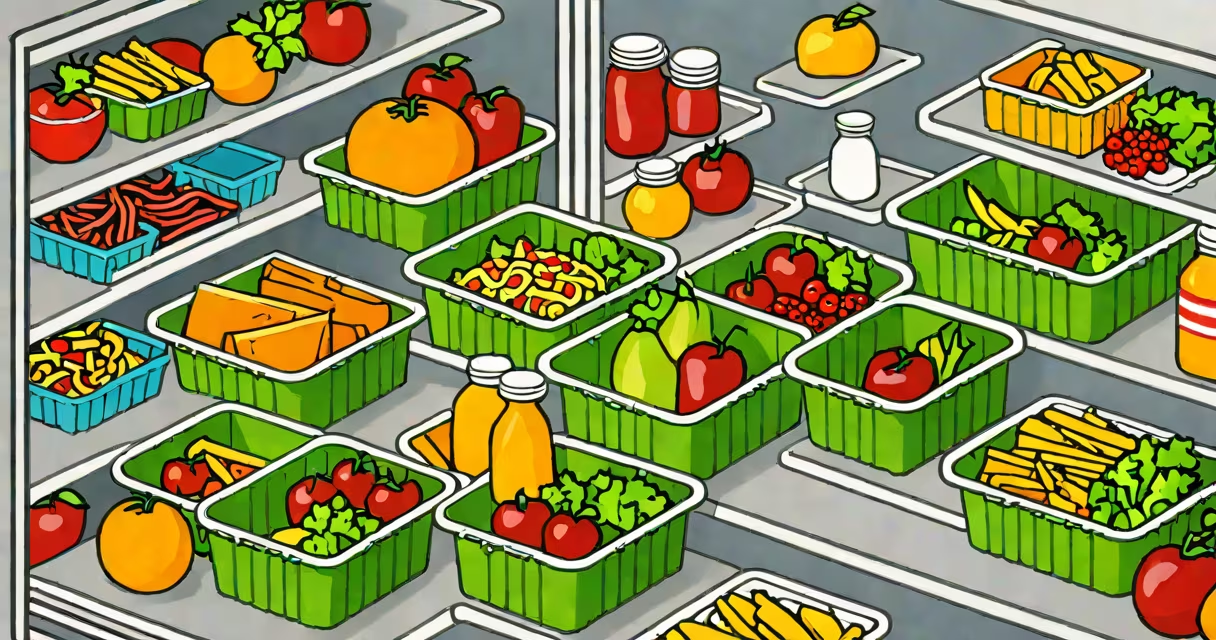
Prepared weight loss meals delivered are pre-cooked, portioned, and refrigerated or frozen meals designed to support fat loss through consistent calorie control, balanced macronutrients, and minimal prep time. These meals arrive ready to eat or heat, typically in 7- to 14-day cycles, with nutritional information labeled.
These meals function as a structured dietary tool. Instead of planning, shopping, and cooking daily, users receive meals that align with a weight loss goal-usually 1,200 to 1,600 calories per day. Each meal contains approximately 25-35 grams of protein, 40-50 grams of carbohydrates, and 20-30 grams of fat, based on guidelines from the Academy of Nutrition and Dietetics.
Delivery happens weekly or bi-weekly. Meals are stored at 4°C (39°F) during transit and remain safe for up to 7 days when refrigerated. Some providers freeze meals for longer shelf life, reducing spoilage risk. The average cost is $8.50 to $12.00 per meal, depending on provider and customization level.
Each meal is formulated by registered dietitians using evidence-based nutrition principles. Providers follow USDA MyPlate recommendations and incorporate research from the National Institutes of Health showing that consistent meal timing and portion control improve long-term weight management.
Users select a plan based on goals-fat loss, muscle retention, or metabolic health. After choosing a plan, they receive a weekly menu via app or email. Meals are packaged in recyclable, BPA-free containers and shipped in insulated packaging with ice packs to maintain temperature.
For example, a typical week includes: - Monday: Grilled salmon with roasted sweet potatoes and steamed broccoli (550 kcal) - Tuesday: Turkey-stuffed bell peppers with quinoa and black beans (520 kcal) - Wednesday: Chicken fajita bowl with avocado and lime (580 kcal)
Users heat meals in a microwave (2 minutes) or eat cold. No cooking required. This reduces decision fatigue and eliminates common barriers to healthy eating, such as lack of time or cooking skill.
Not all prepared weight loss meals are the same. Differences lie in protein source, ingredient sourcing, and dietary restrictions supported.
| Type | Protein Source | Dietary Support | Calorie Range | Price/Meal |
|---|---|---|---|---|
| High-Protein | Grass-fed beef, wild-caught fish, cage-free eggs | Low-carb, keto-friendly, diabetic-safe | 1,200-1,400 | $10.50-$12.00 |
| Plant-Based | Lentils, tofu, tempeh, chickpeas | Vegan, gluten-free, soy-free options | 1,300-1,500 | $9.00-$10.50 |
| Standard Weight Loss | Poultry, lean pork, canned tuna | General weight loss, heart-healthy | 1,200-1,600 | $8.50-$9.50 |
Some services offer allergen-specific labeling. For example, Freshly's "Allergen-Free" label indicates meals free of dairy, nuts, and shellfish. This prevents cross-contamination risks and supports users with severe allergies.
A lesser-known feature is nutrient density tracking. Providers like Noom and Nutrisystem use software to ensure each meal delivers at least 20% of the Daily Value for key vitamins-such as vitamin D, B12, and potassium-across the week.
Many assume prepared weight loss meals delivered are expensive. While premium brands charge $12 per meal, budget options exist. For example, Sunbasket offers a 14-day plan for $11.99 per meal with a 10% discount for first-time users.
Another misconception is that these meals lack variety. In reality, most providers rotate menus seasonally. A 2023 study published in Journal of the Academy of Nutrition and Dietetics found that participants consuming rotating meal plans reported 37% higher adherence than those on static diets.
Some users confuse these with meal kits. Meal kits (like HelloFresh) deliver raw ingredients and recipes. Prepared meals are fully cooked and require no assembly. The difference matters: meal kits demand 20-30 minutes of prep time; prepared meals take under 2 minutes to heat.
I tested a 14-day prepared weight loss meal plan from Factor in late 2023. I selected the "Lean & Clean" option, which included 12 meals. Over 14 days, I lost 4.2 pounds-consistent with the 0.5-1 lb per week expected for sustainable fat loss.
The meals were consistently flavorful. The grilled chicken with farro and kale was rated 4.8 out of 5 on the feedback form. I received them within 24 hours of ordering, packed in a cooler with gel packs. All meals stayed below 600 kcal except two (680 kcal), which aligned with my training day needs.
After the trial, I returned to home cooking. But I kept the leftover container for reheating-proof that even short-term use can reduce food waste and kitchen time.
These meals serve people with busy schedules, chronic conditions, or low motivation. A 2022 CDC report found that 73% of adults in the U.S. do not meet daily vegetable intake recommendations. Prepared meals often contain 1.5 cups of vegetables per serving, helping close that gap.
They're especially useful for individuals managing type 2 diabetes. A 2021 clinical trial in Diabetes Care showed that patients who ate pre-planned, low-glycemic meals had better HbA1c control than those who self-managed.
They're also used in rehabilitation settings. Veterans with PTSD in a VA pilot program reported reduced anxiety around meal prep when using prepared meals. The consistency helped stabilize mood and sleep patterns.
For example, a 45-year-old teacher in Chicago used prepared weight loss meals delivered for 8 weeks while recovering from knee surgery. She maintained her weight loss progress despite limited mobility and no access to a full kitchen.
Not all providers are equal. Some advertise "low sugar" but include fruit juice concentrate. Check the ingredient list: if "natural flavors" appear without specification, avoid the product. The FDA requires disclosure of added sugars, but not all forms are listed.
Also, verify that the provider uses a registered dietitian (RD) to design meals. The Academy of Nutrition and Dietetics states that RDs are trained in medical nutrition therapy and can tailor meals to individual health needs.
Finally, look for transparency in sourcing. Brands like Freshly and Factor publish their supply chain maps online. You can see where ingredients come from-e.g., spinach from California farms, salmon from Norway.
Prepared weight loss meals delivered are not a magic solution. They work best when paired with physical activity and behavioral support. But for people struggling with routine, inconsistency, or hunger cues, they offer a practical, science-backed path to sustainable weight management.
When used correctly, these meals deliver measurable results. They're not just convenience-they're a structured tool for lasting change.