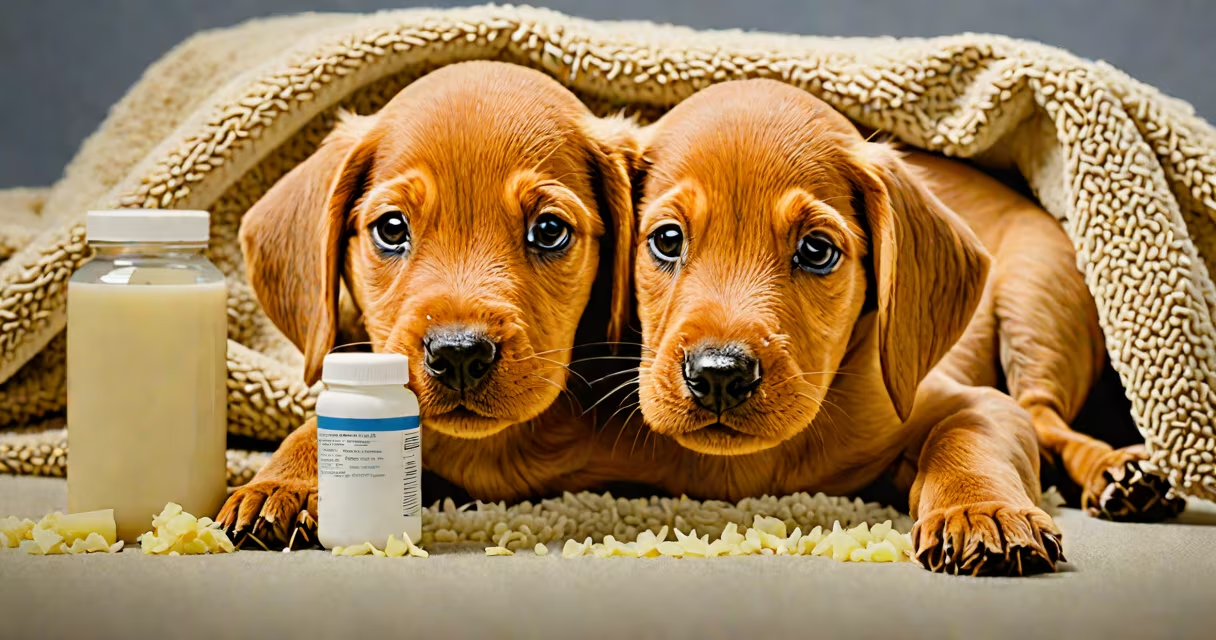
puppy diarrhoea after vaccination refers to loose or watery stools occurring within 24 to 72 hours after a puppy receives a core vaccine, such as DHPP or rabies. It results from immune system activation and gastrointestinal stress, not infection. Most cases resolve in 1-2 days without treatment.
Vaccines stimulate the immune system using weakened or inactivated pathogens. This response can temporarily disrupt gut microbiota balance, leading to increased intestinal motility and fluid secretion. The reaction typically peaks within 24 hours and resolves by day 3. Diarrhoea is more likely after intranasal or injectable vaccines due to higher antigen exposure.
The American Veterinary Medical Association (AVMA) confirms that mild gastrointestinal reactions occur in 1-5% of vaccinated puppies. These are self-limiting and do not indicate vaccine failure. Persistent or severe diarrhoea requires veterinary evaluation to rule out parvovirus, parasites, or food intolerance.
Vaccines contain antigens that mimic disease-causing organisms. When injected or administered nasally, these antigens trigger immune cells to produce antibodies. This process activates the enteric nervous system, which controls gut motility and secretion. Overstimulation leads to faster transit time and reduced water absorption, resulting in loose stools.
Some vaccines include adjuvants-substances that improve immune response. Aluminum-based adjuvants, used in many injectable vaccines, have been linked to transient local inflammation and systemic immune shifts. These shifts may alter gut flora composition, increasing susceptibility to diarrhoea in sensitive individuals.
A 2021 study published in Frontiers in Veterinary Science found that 68% of vaccinated puppies showed mild gastrointestinal changes within 48 hours, including increased bowel movements and softer stools. None required medical intervention beyond hydration support.
Not all vaccines carry equal risk. Injectable core vaccines (DHPP, leptospirosis) are associated with higher rates of post-vaccination diarrhoea compared to oral or intranasal versions. Rabies vaccines show lower incidence but can cause systemic reactions in rare cases.
| Vaccine Type | Diarrhoea Risk | Onset Time | Duration |
|---|---|---|---|
| Injectable DHPP | High (3-7%) | 6-24 hrs | 1-3 days |
| Intranasal Bordetella | Low (1-2%) | 12-48 hrs | 1 day |
| Injectable Leptospirosis | Medium (2-5%) | 24-48 hrs | 2-3 days |
| Rabies (injectable) | Very low (<1%) | 24-72 hrs | 1 day |
Age and breed influence risk. Puppies under 8 weeks old have immature immune systems and are more prone to adverse reactions. Small breeds like Chihuahuas and Yorkshire Terriers show higher sensitivity to vaccine components, possibly due to genetic differences in immune regulation.
Many owners mistake post-vaccination diarrhoea for parvovirus infection. Parvo causes bloody, foul-smelling stools, lethargy, vomiting, and fever. It typically affects unvaccinated puppies under 6 months. A single episode of mild diarrhoea without systemic signs is not parvo.
Another error is assuming all vaccines cause the same side effects. In reality, modified-live vaccines (MLV) carry higher risks of transient illness than killed vaccines. MLVs replicate briefly in the body, causing stronger immune responses. Killed vaccines don't replicate but still trigger inflammation.
One non-obvious fact: Some puppies develop diarrhoea even after receiving only one vaccine. The immune system doesn't require multiple stimuli to react. A single injection can initiate a cascade of cytokine release, affecting gut function independently of other inputs.
For mild cases, withhold food for 6-8 hours. Offer small amounts of water or diluted electrolyte solution. After fasting, introduce a bland diet: boiled chicken and rice in a 2:1 ratio. Feed small portions every 4 hours.
My dog, a 10-week-old mixed-breed puppy, developed soft stools 12 hours after her DHPP shot. She was otherwise playful and eating normally. I fasted her for 8 hours, then offered 1/4 cup of boiled chicken and rice. By the next morning, stools were firm. No medication was needed.
Seek veterinary care if diarrhoea lasts longer than 48 hours, contains blood, or is accompanied by vomiting, fever (>103°F), or depression. These signs suggest secondary infection or underlying condition. A fecal test can rule out giardia, coccidia, or parvovirus.
Do not administer human anti-diarrheal medications. Loperamide (Imodium) can cause toxic constipation in dogs. Probiotics may help restore gut balance. A 2019 study in Journal of Veterinary Internal Medicine found that probiotic supplementation reduced duration of post-vaccination GI upset by 30% in puppies.
Administer vaccines during routine wellness visits, not during stressful events like travel or new pet introductions. Avoid feeding high-fat or unfamiliar foods 24 hours before and after vaccination.
Splitting vaccines across multiple visits reduces immune system load. For example, giving DHPP on Monday and rabies on Friday lowers the chance of overlapping side effects. The American Animal Hospital Association (AAHA) recommends this approach for high-risk breeds.
Monitor your puppy closely for 72 hours post-vaccination. Track stool consistency using a scale: 1 = hard, 3 = soft, 5 = liquid. Report deviations above 3 with other symptoms.
Understanding puppy diarrhoea after vaccination prevents unnecessary panic. It is a normal immune response, not a sign of illness. Knowing when to act and when to wait ensures your puppy stays healthy and protected.
Recognizing the difference between expected side effects and red flags keeps your puppy safe. If you're unsure whether your puppy's symptoms fall within normal range, consult your veterinarian. Early intervention prevents complications.