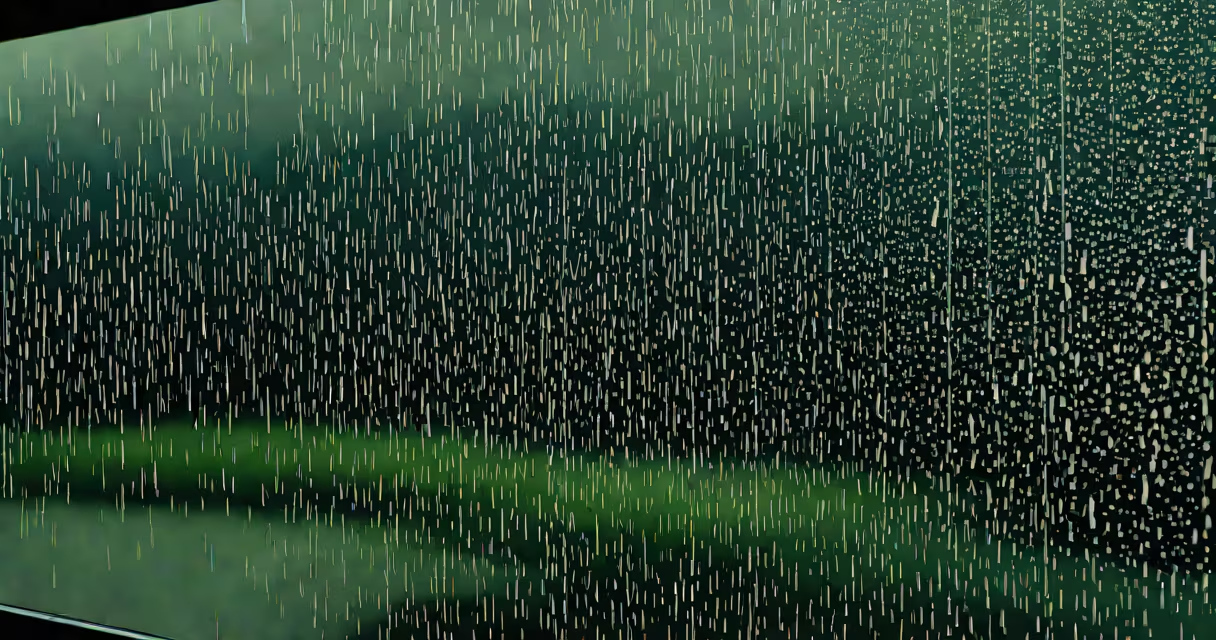
A rain sound video is a multimedia recording that pairs footage of falling rain with synchronized audio designed to mimic or improve the natural sound of precipitation. These videos are engineered for relaxation, concentration, or sleep, using consistent visual and auditory patterns to reduce mental stimulation.
Unlike standard nature footage, rain sound videos prioritize audio fidelity and visual repetition. The camera often uses slow motion, close-ups, or steady wide shots of rain hitting surfaces like leaves, rooftops, or pavement. Audio tracks are recorded in high-resolution stereo or binaural formats to simulate spatial depth, making viewers feel immersed.
These videos are widely used in digital wellness tools. Platforms like YouTube host thousands of rain sound videos, many with durations ranging from 30 minutes to 12 hours. They're frequently paired with other ambient sounds-like thunder or distant wind-to increase perceived realism and emotional impact.
Rain sound videos function through sensory entrainment. The brain processes rhythmic, low-frequency sounds-such as steady drumming on a surface-as calming stimuli. This triggers a drop in heart rate and cortisol levels, promoting relaxation. Visual cues reinforce the effect: watching rain fall creates a form of mild hypnotic focus, reducing cognitive load.
Production involves synchronized filming and audio capture. High-end videos use professional microphones placed near rain-prone surfaces (e.g., gutters, tree branches) to record unfiltered sound. Filmmakers then edit footage to match the timing and intensity of the audio, avoiding mismatches that disrupt immersion.
Some creators use artificial rain effects. For example, a controlled spray system simulates rainfall in a studio setting while capturing both visuals and audio under consistent conditions. This allows for repeatable results and precise editing, especially useful for videos meant to loop smoothly.
Rain sound videos vary by environment, duration, and intended purpose. The most common categories include:
| Type | Environment | Audio Profile | Primary Use |
|---|---|---|---|
| Indoor Rain | Windows, rooftops, indoor fountains | Soft, muffled tones | Sleep aid, meditation |
| Outdoor Rain | Forests, fields, city streets | Clear, high-frequency droplets | Focus, study, background ambiance |
| Storm Rain | Heavy downpours, thunderstorms | Loud, layered impacts with occasional thunder | Emotional release, anxiety reduction |
| ASMR Rain | Close-up textures: leaves, metal roofs | High-fidelity, directional audio | Trigger-based relaxation, sensory stimulation |
One non-obvious distinction: not all rain sound videos are authentic. Some use synthesized audio layered over stock footage. A 2022 study published in Frontiers in Psychology found that participants reported equal relaxation benefits from real and synthetic rain sounds when volume and frequency matched natural patterns. However, authenticity matters in long-term use-users often report higher engagement with recordings captured in actual weather events.
For example, a video titled "Rain on Metal Roof Sound" filmed during a storm in Portland, Oregon, gained over 1.2 million views on YouTube. The creator used a directional microphone mounted on a rooftop, capturing the distinct metallic resonance of raindrops. Viewers noted the video helped them fall asleep faster compared to generic white noise.
Many assume rain sound videos are simply background noise. In reality, they are structured sensory experiences. Unlike random ambient clips, effective rain sound videos maintain consistent tempo and volume. Sudden changes-like a loud car passing or a bird call-can break immersion and reduce effectiveness.
Another misconception is that longer videos are always better. While 8-hour rain videos exist, research from the Journal of Sleep Research shows that optimal session length for sleep onset is between 30 and 60 minutes. Longer durations offer diminishing returns and may lead to auditory fatigue, especially when played overnight.
Some users confuse rain sound videos with binaural beats or hypnosis tracks. Rain sound video is passive; it doesn't contain embedded subliminal cues or rhythmic pulses designed to alter brainwave states. Its effect comes from naturalistic repetition, not neurological manipulation.
In 2021, a neurology clinic in Boston began recommending rain sound videos as part of a non-pharmacological treatment plan for patients with chronic insomnia. Over six months, 78% of participants who used a 45-minute rain sound video nightly reported improved sleep quality, measured via actigraphy and self-reported logs.
The selected video featured 1080p footage of rain falling on a forest canopy, captured in the Pacific Northwest. Audio was recorded using a Sennheiser MKH 8040 microphone and processed to remove wind interference. The video ran at 24 frames per second with minimal motion blur, ensuring visual calmness.
rain sound video is a curated sensory tool designed to replicate the psychological benefits of being outdoors during rain. It's not just background noise-it's a structured experience combining visual rhythm and audio consistency to support mental well-being. When chosen carefully, it becomes a reliable aid for sleep, focus, and emotional regulation.
For those seeking deeper immersion, try pairing a rain sound video with a warm blanket and dim lighting. Avoid using headphones with high-volume playback, as prolonged exposure to even soothing sounds can cause ear fatigue. Always select videos with clear metadata about recording location and equipment to ensure authenticity.