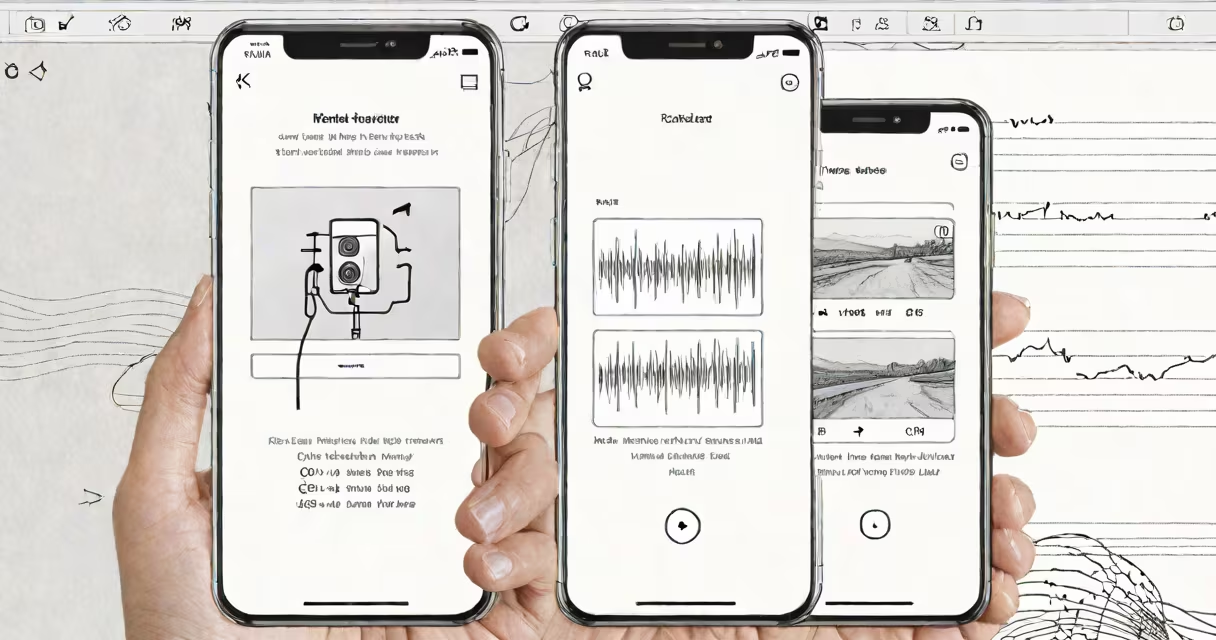
A reels to mp3 converter is a tool that extracts audio from short-form video content-such as Instagram Reels or TikTok videos-and saves it as a standalone MP3 file. These tools work by isolating the audio track from the video file and converting it into a compressed audio format usable on music players, smart devices, or shared via messaging apps.
These converters are commonly used to save music, voiceovers, or sound effects from viral videos. They support input from URLs, downloaded video files, or direct uploads. The output is always an MP3 file unless otherwise specified, which ensures broad compatibility across devices and platforms.
For example, a user watching a TikTok video featuring a popular song snippet can copy the link, paste it into a reels to mp3 converter, and download the audio within seconds. The resulting file plays on any device with standard audio playback capabilities, including smartphones, Bluetooth speakers, and car stereos.
When you enter a video link into a reels to mp3 converter, the tool first accesses the video's metadata and stream. It then separates the audio component from the visual data using decoding algorithms. This process relies on the video's container format-typically MP4 or MOV-and the embedded audio codec, such as AAC or MP3.
The extracted audio is then re-encoded into the MP3 format. During this step, the tool adjusts bit rate, sample rate, and channel configuration. Most converters default to 128 kbps stereo audio, which balances quality and file size. Some advanced tools allow custom settings, such as 320 kbps for higher fidelity or mono mode for smaller files.
After encoding, the tool generates a downloadable file. The entire process takes under 10 seconds on most web-based services, assuming stable internet access and a valid video URL.
Reels to mp3 converters come in several forms, each suited to different use cases:
| Type | Best For | Access Method | File Size Limit |
|---|---|---|---|
| Web-based | Quick conversions without installation | Browser via URL | Up to 100 MB |
| Desktop software | Bulk processing or high-quality exports | Downloaded installer | Unlimited (disk space dependent) |
| Mobile apps | On-the-go access and offline use | App Store or Google Play | Varies by app |
Web-based tools are the most common. They require no software installation and run entirely in your browser. Examples include SaveFrom.net, OnlineVideoConverter.com, and Snaptik. These sites often support multiple platforms, including Instagram, TikTok, YouTube Shorts, and Facebook Reels.
Desktop applications offer greater control. Tools like 4K Video Downloader or Any Video Converter Pro allow batch processing, custom output formats, and integration with local storage systems. They're ideal for users who convert dozens of reels daily.
Mobile apps provide convenience. Apps like ReelToMP3 or TikTok Audio Extractor let users extract audio while browsing the app. However, they may require permissions to access device storage and camera roll.
Many users assume that any reels to mp3 converter is safe and legal. That's not true. Some tools inject malware, redirect to phishing pages, or collect personal data. According to a 2023 report by Malwarebytes, 14% of free online conversion sites contained tracking scripts or ad injection layers.
Another misconception is that extracting audio from a video is always fair use. Copyright law varies by country. In the U.S., under the Digital Millennium Copyright Act (DMCA), downloading copyrighted music without permission-even from public videos-is illegal. The U.S. Copyright Office notes that "fair use does not automatically apply to reproductions of protected sound recordings."
One non-obvious fact: Not all audio from reels is original. Many videos feature licensed music. A 2022 study by the International Federation of the Phonographic Industry (IFPI) found that 68% of tracks used in TikTok videos were commercially released songs. Extracting them for distribution violates copyright terms.
In 2023, a user named Jordan tried to convert a viral TikTok video featuring a remix of "Blinding Lights" by The Weeknd. The video had 2.3 million views and was posted by a creator who did not claim ownership. Jordan used a free web-based reels to mp3 converter, downloaded the audio, and shared it on a music forum.
Within 48 hours, the platform received a DMCA takedown notice. The original rights holder, Warner Music Group, filed a complaint citing unauthorized distribution. Jordan's account was suspended, and the file was removed. This case illustrates how even seemingly harmless use can trigger legal action.
As a workaround, users should verify whether a track is covered under Creative Commons licensing or if the creator explicitly permits reuse. Platforms like TikTok's Creative Center list approved music for commercial use. Always check the license before distributing converted audio.
Instead of relying on third-party tools, consider official sources. Spotify, Apple Music, and YouTube Music offer the same tracks in high-quality MP3 format. Using these services supports artists and avoids legal risk.
If you must use a reels to mp3 converter, choose reputable providers. Look for HTTPS encryption, clear privacy policies, and no pop-up ads. Avoid tools that ask for login credentials or device permissions beyond basic file access.
For developers, libraries like FFmpeg can automate audio extraction. A command like ffmpeg -i input.mp4 -vn -acodec libmp3lame -b:a 128k output.mp3 extracts audio from any video file. This method gives full control and avoids external dependencies.
When choosing a tool, prioritize transparency. Check reviews on trusted sites like PCMag or TechRadar. Avoid services that claim "100% free" with no ads or data collection-these often monetize through hidden means.
Finally, remember that not all audio is meant to be reused. Respect creators' work. If you enjoy a sound, follow the artist on official platforms. Support the system that makes content creation sustainable.
Understanding how a reels to mp3 converter functions helps avoid misuse. These tools are useful but carry risks. Use them responsibly, with awareness of both technical limits and legal boundaries.