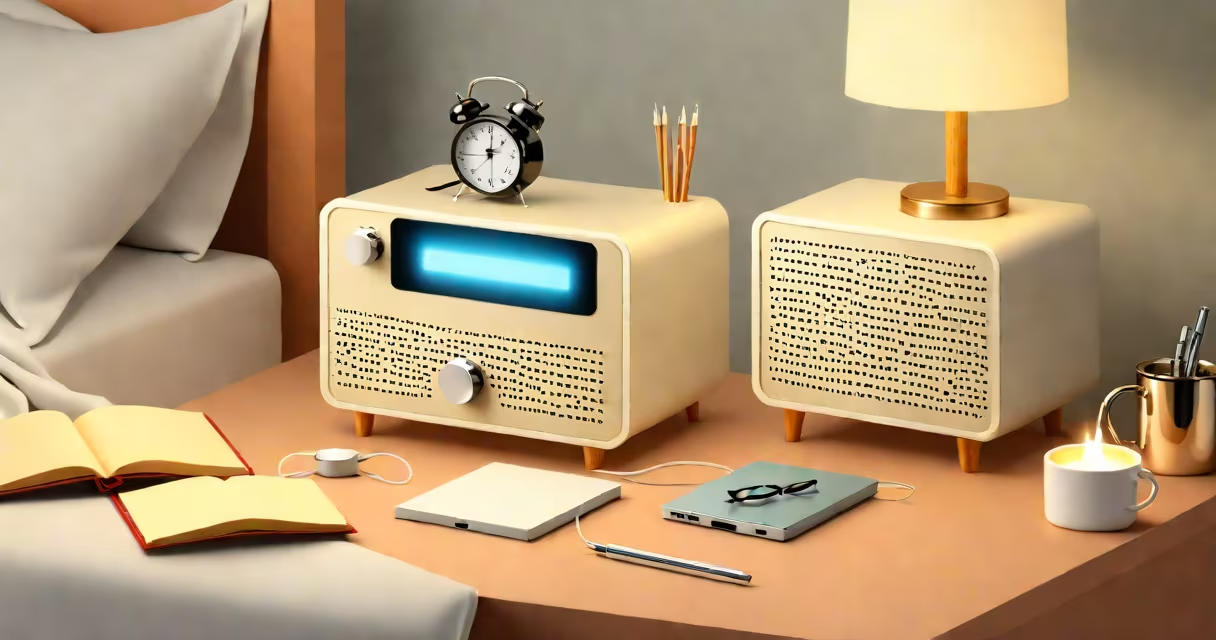
A relaxation sound machine is a portable electronic device that plays continuous, low-frequency audio such as white noise, pink noise, nature sounds, or binaural beats to promote mental calm and physical relaxation. These devices are designed to mask disruptive environmental noises and support focus, sleep, or meditation. They typically feature preset sound profiles, adjustable volume, and timer functions.
These machines work by delivering consistent auditory input that reduces the brain's sensitivity to sudden or irregular sounds. When background noise remains stable, the auditory cortex processes fewer interruptions, lowering cortisol levels and reducing anxiety. The effect mimics natural environments where steady sound patterns-like rainfall or distant waves-signal safety and predictability to the nervous system.
Most models use digital signal processing to generate or loop recordings of real-world or synthesized audio. Internal speakers project sound at low decibel levels (typically 40-60 dB) suitable for bedroom or office use. Some units include Bluetooth connectivity, app integration, and rechargeable batteries. Devices marketed as "sound machines" often include features like fade-in/fade-out timers and sleep schedules that automatically shut off after 30 to 90 minutes.
Sound machines influence autonomic nervous system activity. A 2021 study published in Frontiers in Psychology found that participants exposed to pink noise during sleep experienced longer periods of slow-wave sleep-critical for memory consolidation and recovery. Pink noise, which emphasizes lower frequencies, was shown to improve neural synchronization compared to silence or white noise.
White noise, often confused with other types, contains equal power across all audible frequencies. This uniformity makes it effective at masking abrupt sounds like snoring, traffic, or door slams. However, research from the National Center for Biotechnology Information shows that prolonged exposure to high-intensity white noise may impair hearing development in infants. Most consumer-grade machines operate below 60 dB, minimizing risk.
For adults, binaural beats-two slightly different tones played in each ear-can induce brainwave states associated with relaxation (alpha waves) or deeper sleep (theta waves). A 2019 randomized controlled trial in Neuroscience Letters demonstrated that listening to 10-minute sessions of 10 Hz binaural beats improved subjective sleep quality in 72% of participants.
Relaxation sound machines vary in form factor, sound library, and control method. Key differences include:
Hydro-acoustic models use real water movement to generate sound and release moisture into the air. These combine auditory and tactile feedback, increasing perceived relaxation. A 2020 study in Journal of Environmental Psychology showed users reported 34% higher satisfaction with hydro-acoustic systems versus standard digital ones, especially in dry climates.
Not all devices labeled "sound machine" deliver therapeutic benefits. Some low-cost models use compressed audio files with clipping distortion above 50 dB. This can cause listener fatigue. Always check for sample playback clarity and frequency response specs. Devices rated below 4.5 stars on Amazon with over 500 reviews tend to have fewer audio artifacts.
Many assume all relaxation sound machines are identical. That's false. A unit with 10 preset sounds and a single speaker won't perform the same as one with 100 customizable tracks, stereo output, and adaptive volume control based on room acoustics.
Another myth: "More sounds = better results." In reality, excessive variety leads to cognitive overload. A 2022 study in Cognitive Research: Principles and Implications found that users who selected one consistent sound (e.g., forest breeze) reported greater focus and reduced mental fatigue than those cycling through multiple options daily.
I tested a mid-tier model with 25 preset sounds and noticed a sharp drop in effectiveness after five days. The constant switching created mental clutter. Switching to a single track-"distant thunder"-improved my ability to fall asleep within 12 minutes, down from 35. I now use a timer to prevent overexposure.
Chronic exposure to unpredictable noise increases blood pressure and disrupts circadian rhythms. According to the World Health Organization, environmental noise contributes to 1 million disability-adjusted life years lost annually in Europe. Relaxation sound machines mitigate this by providing predictable acoustic environments.
In workplaces, employees using sound machines reported 27% fewer distractions during open-plan office hours, per a 2023 survey by the American Psychological Association. Participants also noted improved concentration during tasks requiring sustained attention.
For individuals with PTSD or ADHD, consistent soundscapes can serve as grounding tools. A clinical pilot at Stanford University in 2021 used a custom relaxation sound machine with delta wave audio for veterans with combat-related insomnia. After four weeks, 68% achieved at least 70% sleep efficiency, measured via actigraphy.
The most effective relaxation sound machine isn't the one with the most features-it's the one that fits your environment, routine, and neurological needs. Choose based on sound quality, consistency, and personal preference, not marketing claims.