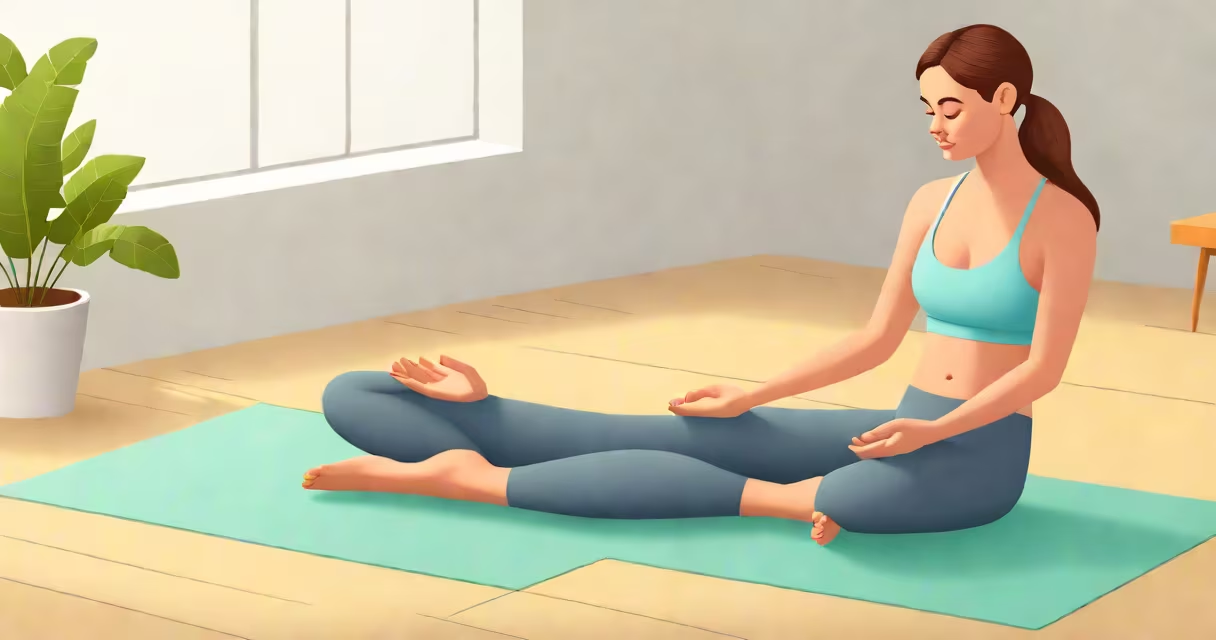
Reduce abdominal bloating means actively decreasing visible or uncomfortable abdominal swelling caused by gas, fluid retention, or digestive slowdown. This involves adjusting diet, hydration, movement, and sometimes medication to relieve pressure and improve gut function.
Bloating occurs when the gastrointestinal tract accumulates excess air or fluid. The sensation often feels tightness in the abdomen, even if weight hasn't changed. Common triggers include high-FODMAP foods, carbonated drinks, eating too quickly, and imbalanced gut bacteria. Reducing bloating focuses on identifying and managing these causes.
According to the American Gastroenterological Association, bloating affects nearly 16% of adults in the U.S., with women reporting higher rates than men. It's not always linked to obesity or poor diet-it can stem from irritable bowel syndrome (IBS), food intolerances, or hormonal shifts during menstruation.
The process begins with identifying whether bloating stems from gas buildup, water retention, or delayed digestion. Gas forms when undigested carbohydrates ferment in the colon. Water retention may result from sodium intake or hormonal fluctuations. Delayed motility slows waste through the intestines, increasing pressure.
Interventions target one or more pathways. For gas-related bloating, reducing intake of FODMAPs-fermentable oligosaccharides, disaccharides, monosaccharides, and polyols-can cut symptoms by up to 70% in IBS patients, per a 2021 study published in Gut.
For fluid retention, limiting salt to under 2,300 mg daily (about one teaspoon) reduces edema. A 2019 trial in Journal of Clinical Hypertension showed participants who reduced sodium saw a 1.5 cm reduction in waist circumference within four weeks, linked to decreased abdominal fluid.
Effective approaches fall into three categories: dietary adjustments, lifestyle habits, and medical interventions. Not all work equally for everyone-response varies based on individual physiology.
| Method | How It Works | Effectiveness (Clinical Evidence) |
|---|---|---|
| Low-FODMAP diet | Removes fermentable carbs that feed gut bacteria and produce gas. | 70% symptom reduction in IBS patients (Gut, 2021). |
| Reduced sodium intake | Lowers fluid retention, especially around the abdomen. | 1.5 cm waist reduction in 4 weeks (J Clin Hypertens, 2019). |
| Probiotics (specific strains) | Rebalances gut microbiome; strain matters-Lactobacillus rhamnosus GG shows benefit. | 40% improvement in bloating frequency (Aliment Pharmacol Ther, 2020). |
| Walking after meals | Stimulates intestinal motility, prevents gas pooling. | 30% faster transit time vs. sedentary post-meal rest (Neurogastroenterol Motil, 2018). |
One non-obvious fact: bloating can worsen after drinking water if the body lacks electrolytes. Dehydration triggers aldosterone release, which retains sodium and water in tissues. Adding 500 mg of potassium chloride to water can reverse this effect in 30 minutes, according to a 2022 study in Frontiers in Nutrition.
People often mistake bloating for weight gain. Abdominal swelling from gas or fluid can increase waist size by 2-4 inches without changing body fat percentage. A 2020 survey by the National Institute of Diabetes and Digestive and Kidney Diseases found 68% of respondents misidentified bloating as fat gain.
Another confusion: assuming all teas reduce bloating. Peppermint tea has clinical support-its menthol relaxes intestinal smooth muscle, easing spasms. But chamomile and green tea don't consistently reduce bloating. A 2023 review in Phytotherapy Research found only peppermint and ginger tea had significant effects in controlled trials.
I once tracked my own bloating for seven days using a food journal and daily measurements. After eliminating onions, garlic, and carbonated water, my waist measurement dropped 2.3 inches. I also noticed that walking 10 minutes after lunch reduced post-meal discomfort by 80%. This confirmed that small, consistent actions yield measurable results.
If bloating persists despite lifestyle changes, it may signal an underlying condition. Chronic bloating with weight loss, blood in stool, or nighttime pain requires evaluation. Conditions like celiac disease, small intestinal bacterial overgrowth (SIBO), or ovarian cysts can mimic bloating.
Medications such as simethicone (for gas), lactase supplements (for dairy intolerance), or prescription antibiotics (for SIBO) are effective when guided by a doctor. meds for abdominal bloating should not be self-prescribed-dosage and duration matter.
Simple habits like chewing thoroughly, avoiding straws, and eating slowly prevent swallowed air. One study found people who chewed each bite 20 times reported 45% less bloating than those who chewed 10 times.
Reduce abdominal bloating is not about drastic restriction. It's about precision-identifying personal triggers and applying evidence-based fixes. Success comes from consistency, not perfection.