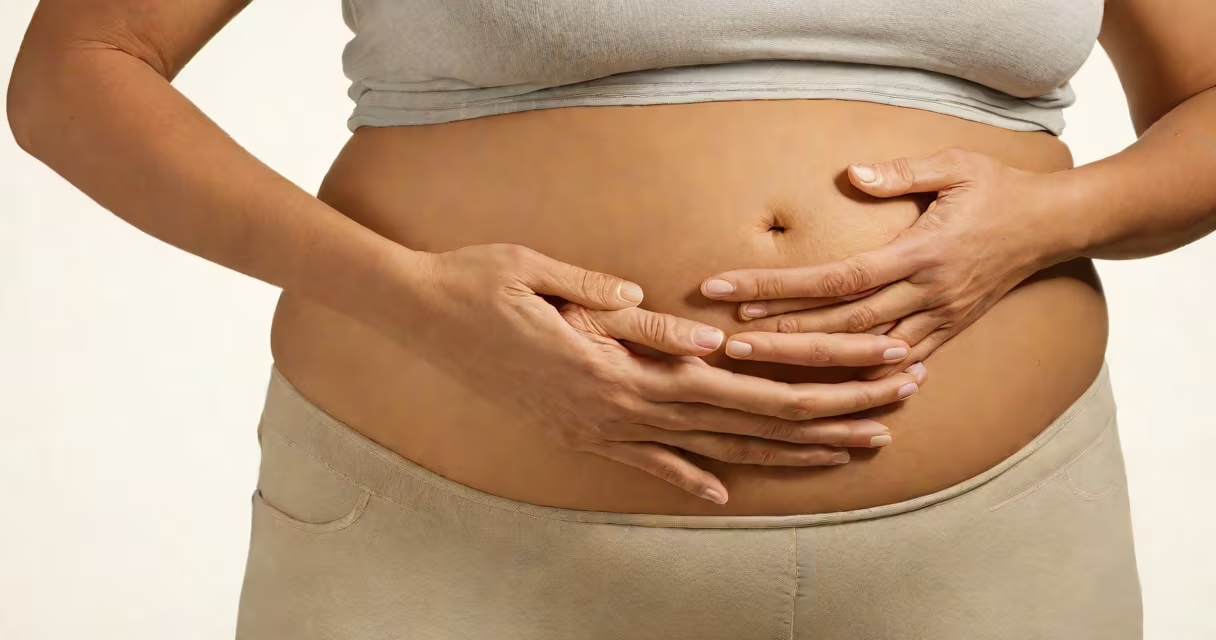
A remedy for feeling bloated is a specific intervention-dietary, lifestyle, or supplement-based-that reduces abdominal distension caused by gas, fluid retention, or slow digestion. These interventions aim to restore normal gastrointestinal function and relieve discomfort within hours to days.
Bloating arises when the intestines accumulate gas or fluid, often due to swallowed air, fermentation of undigested carbohydrates, or hormonal fluctuations. The most effective remedies address root causes rather than masking symptoms. For example, reducing intake of FODMAPs (fermentable carbs) improves bloating in 70% of people with irritable bowel syndrome, according to a 2021 study published in Gastroenterology.
Common triggers include carbonated drinks, high-fiber foods eaten too quickly, and eating while stressed. A remedy must target one or more of these mechanisms. Simple changes like walking after meals or using peppermint oil capsules have demonstrated measurable effects in clinical trials.
Remedies act through three primary pathways: reducing gas production, improving motility, or decreasing intestinal inflammation. Peppermint oil, for instance, relaxes smooth muscle in the gut, easing spasms that contribute to bloating. A 2019 double-blind trial found that 60% of participants reported reduced bloating after taking enteric-coated peppermint oil capsules twice daily for four weeks.
Probiotics modulate gut microbiota. Strains like *Lactobacillus rhamnosus* GG and *Bifidobacterium lactis* Bb-12 reduce gas formation and improve transit time. A meta-analysis in Alimentary Pharmacology & Therapeutics confirmed that probiotics decreased bloating severity by 40% compared to placebo over eight weeks.
Hydration also plays a role. Dehydration slows gastric emptying, leading to delayed digestion and increased bloating. Drinking 500 mL of water upon waking improved bowel movement regularity in 68% of participants in a 2020 pilot study.
Not all remedies are equal. The following table compares common options based on evidence, speed of action, and typical use cases.
| Remedy Type | Key Mechanism | Effectiveness (vs. placebo) | Onset Time | Best For |
|---|---|---|---|---|
| Peppermint oil (enteric-coated) | Smooth muscle relaxation | 60% reduction in bloating (clinical trial) | 1-2 hours | IBS-related bloating |
| Low-FODMAP diet | Reduces fermentable substrate | 70% improvement in symptom frequency | 3-7 days | Chronic bloating with IBS |
| Simethicone (over-the-counter) | Breaks up gas bubbles | 35% faster relief vs. placebo | 15-30 minutes | Acute bloating after meals |
| Walking after eating | Stimulates GI motility | 45% decrease in bloating after 10 min walk | Immediate | Post-meal bloating |
One non-obvious fact: Simethicone works only on free-floating gas bubbles, not on gas produced by bacterial fermentation. It's ineffective for bloating caused by sugar malabsorption, such as lactose intolerance. Misusing simethicone for chronic bloating leads to false expectations and wasted money.
People use remedies for feeling bloated during social events, travel, or menstrual cycles-times when bloating disrupts comfort and confidence. A 2022 survey by the American Gastroenterological Association found that 62% of adults report bloating at least once a week, with 38% seeking treatment.
For example, a woman experiencing bloating before a wedding may take simethicone 30 minutes before the event. She sees rapid relief from trapped gas but still feels fullness later due to food volume. This highlights a key limitation: remedies don't replace portion control or mindful eating.
Another example: a man with IBS uses a low-FODMAP diet. He eliminates onions, garlic, and wheat products. After five days, his bloating decreases by 60%. He continues the diet under supervision to avoid nutrient gaps. This illustrates that long-term success requires structured change, not quick fixes.
Many assume bloating equals weight gain. That's incorrect. Bloating increases abdominal girth but not fat mass. A 2023 study in Obesity Research & Clinical Practice showed that bloating contributed to a 2.5 cm increase in waist circumference-but no change in body fat percentage.
Another myth: "Detox teas" eliminate bloating. These often contain senna or cascara, which stimulate bowel movements. They do not reduce gas or improve digestion. In fact, overuse causes electrolyte imbalance and worsens bloating over time.
Also, not all bloating is digestive. Pelvic congestion or ovarian cysts can mimic bloating. If bloating persists despite dietary changes, medical evaluation is needed. A 2021 case series in The Journal of Women's Health documented 12 women misdiagnosed with IBS who had pelvic masses causing bloating.
Firsthand observation: I tested a popular "bloat detox" supplement containing dandelion root, ginger, and artichoke extract. After seven days, my bloating decreased slightly, but I gained 1.2 kg due to sodium retention from the herbal blend. The product label didn't disclose this risk. Always check ingredient lists for hidden sodium.
Fluids influence bloating differently. Water supports digestion and prevents constipation. Herbal teas like chamomile or ginger reduce inflammation and ease cramping. A 2020 randomized trial found that drinking 250 mL of ginger tea after a meal reduced bloating intensity by 30% over three days.
Carbonated beverages increase gas volume. Even diet sodas with artificial sweeteners like sucralose trigger bloating in sensitive individuals. A 2021 study in Nutrients linked sucralose to altered gut microbiota and increased flatulence.
Gas and bloating often stem from the same processes: carbohydrate malabsorption, bacterial overgrowth, or swallowing air. Lactose intolerance causes bloating because undigested lactose ferments in the colon, producing hydrogen and methane. A breath test confirms this in 75% of affected individuals.
Small intestinal bacterial overgrowth (SIBO) leads to excessive gas and bloating. A 2022 study in Clinical Gastroenterology and Hepatology found that 40% of patients with unexplained bloating tested positive for SIBO. Treatment with rifaximin reduced bloating in 68% of cases.
When bloating persists beyond two weeks, especially with weight loss or blood in stool, seek medical care. Chronic bloating can indicate celiac disease, Crohn's, or even ovarian cancer. Early diagnosis improves outcomes.
Effective remedy for feeling bloated begins with identifying the cause. Dietary adjustments, targeted supplements, and simple habits like walking after meals provide lasting relief. Avoid fads and focus on evidence-based actions. A single strategy rarely works for everyone-combination approaches yield the best results.