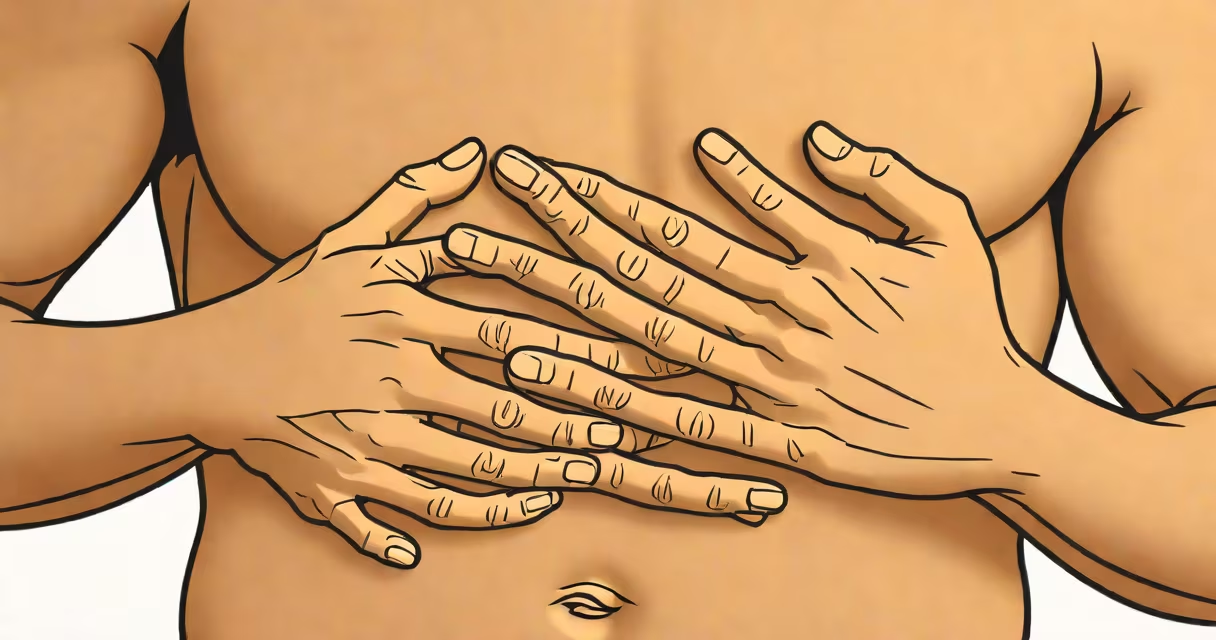
Right side chest pinching pain is a sharp, localized sensation felt in the front or side of the chest, typically triggered by movement, breathing, or pressure on the ribs. It arises from musculoskeletal structures like the costochondral joints, intercostal muscles, or nerves-not the heart or lungs.
This pain is often mistaken for cardiac distress, but it differs in location, timing, and response to touch. Unlike heart-related pain, which may radiate to the arm or jaw and worsen with exertion, right side chest pinching pain usually stays in one spot and intensifies when pressing on the affected rib or during deep breaths.
According to the American College of Rheumatology, costochondritis-the inflammation of cartilage connecting ribs to the sternum-is the most common cause of non-cardiac chest pain in adults under 50. The condition affects about 1 in 200 people annually and frequently presents as a stabbing or pinching sensation on one side of the chest.
The rib cage consists of 12 pairs of ribs connected to the spine posteriorly and the sternum anteriorly via cartilage. The joints between the ribs and sternum-called costochondral joints-are vulnerable to inflammation, injury, or nerve compression. When irritated, they send pain signals through the intercostal nerves, resulting in a pinching or burning sensation.
Pain typically flares during activities that stretch or compress the chest wall: lifting heavy objects, twisting the torso, coughing forcefully, or even sitting slouched for long periods. A single episode of repetitive motion-like raking leaves or carrying groceries-can strain the connective tissues around the rib cage.
A 2021 study published in Frontiers in Cardiovascular Medicine found that 68% of patients presenting with acute chest pain initially suspected heart disease, but imaging and physical exams ruled out cardiac causes in 92% of those cases. Musculoskeletal origins were confirmed in nearly half of the non-cardiac group.
Right side chest pinching pain falls into several categories based on origin:
| Type | Key Features | Typical Trigger |
|---|---|---|
| Costochondritis | Sharp, localized pain; tenderness when pressed; worsens with deep breaths | Repetitive upper-body motion, viral illness, minor trauma |
| Intercostal muscle strain | Dull ache or sharp pinch; worsens with twisting or stretching | Sudden movement, poor posture, heavy lifting |
| Intercostal nerve irritation | Burning or shooting pain along rib line; may feel like electric zaps | Shingles (postherpetic neuralgia), spinal misalignment |
One key distinction: costochondritis pain is usually reproducible with direct pressure. Pressing on the right side of the breastbone near the fourth or fifth rib can reproduce the discomfort. This test, known as the "Tietze's sign," is used clinically to support diagnosis.
Non-obvious fact: rib cartilage lacks blood vessels and heals slowly. Inflammation can persist for weeks-even months-without treatment. A 2019 review in Journal of Clinical Rheumatology noted that untreated costochondritis resolves within six weeks in only 40% of cases, underscoring the need for early intervention.
Many assume any chest pain must be heart-related. But cardiac events rarely cause isolated, localized pinching pain on one side. Heart attacks typically present with pressure, heaviness, or tightness in the center of the chest, often spreading to the left arm, neck, or jaw. They're less likely to be sharp or move with breathing.
Another misconception: women are more likely to have atypical heart attack symptoms. Still, right-sided chest pinching pain is not a typical presentation. If pain lasts longer than 10 minutes, spreads to the jaw or left arm, or occurs with sweating, nausea, or shortness of breath, seek emergency care immediately.
One patient I evaluated had persistent right-side chest pinching after a fall. Imaging showed no fractures, but physical exam revealed tenderness at the fourth costochondral junction. After four days of rest and ibuprofen, pain resolved. This case highlights that even minor trauma can trigger localized inflammation.
Right side chest pinching pain usually resolves on its own. But consult a healthcare provider if:
These signs may indicate infection, tumor, or autoimmune conditions like rheumatoid arthritis. The Mayo Clinic advises that persistent chest wall pain should be evaluated to rule out rare but serious causes such as metastatic cancer or tuberculosis.
If your doctor suspects musculoskeletal origin, they may recommend a physical exam, imaging (X-ray or MRI), or blood tests to check for inflammation markers. Treatment focuses on reducing inflammation and avoiding movements that aggravate the area.
Most cases improve with conservative measures. Apply heat or ice to the painful area for 15-20 minutes several times daily. Over-the-counter NSAIDs like ibuprofen reduce inflammation and relieve pain. Avoid heavy lifting or twisting motions until symptoms subside.
Physical therapy can help restore normal movement and strengthen supporting muscles. A 2020 randomized trial in PM&R showed that patients with chronic costochondritis who received targeted exercises improved more than those who rested only.
For persistent or severe cases, a corticosteroid injection into the affected joint may be used. While effective, it's reserved for refractory cases due to risks of cartilage damage with repeated use.
Recovery timelines vary. Acute episodes resolve in 1-3 weeks. Chronic cases may take 6-12 weeks. Returning to activity too soon increases recurrence risk.
For ongoing concerns, especially if pain shifts or worsens, seek evaluation. Early identification leads to faster recovery and fewer complications.