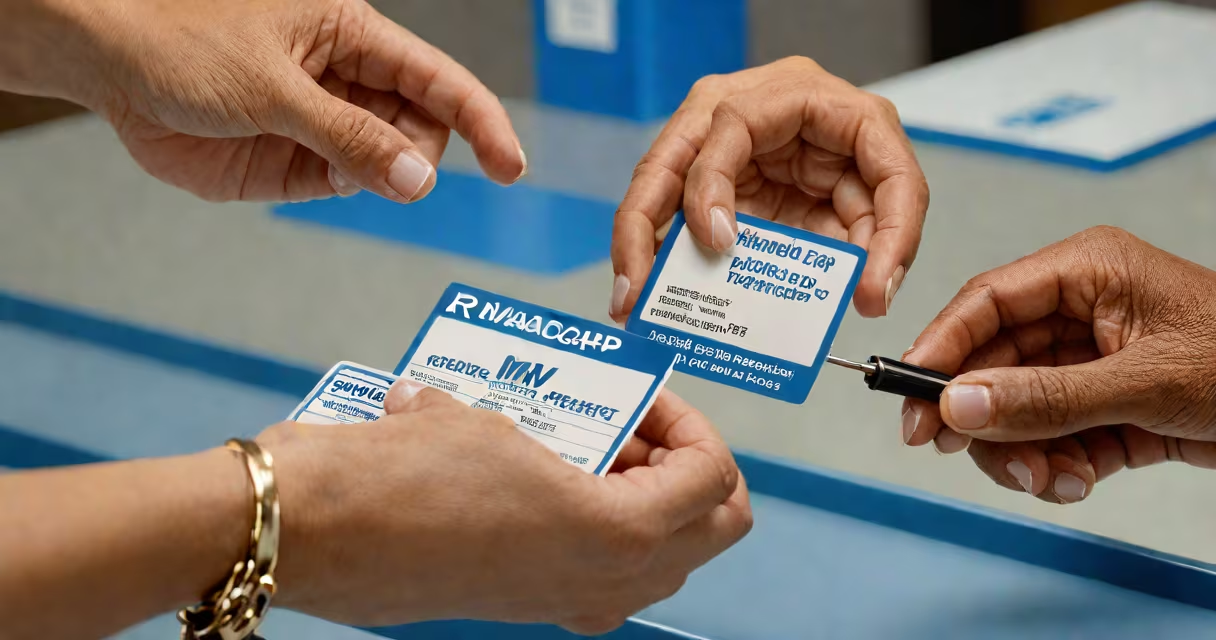
An rmv handicap placard application is the official form used to request cancellation of a temporary or permanent disability parking permit through a state's Department of Motor Vehicles (DMV). Submitting this form ends legal access to designated parking spaces reserved for people with disabilities.
Each U.S. state manages its own disability parking program. The RMV (Registry of Motor Vehicles) is the agency responsible in Massachusetts, but other states may use different names such as DMV, DDS, or DOL. The application process varies by jurisdiction, but all require formal documentation to revoke a placard.
Failure to return a placard or complete the cancellation process can result in fines, license suspension, or criminal charges for misuse. The correct procedure ensures compliance and avoids penalties. Always verify the current form version and submission method with your local agency.
The rmv handicap placard application is submitted to formally notify the state that a person no longer requires a disability parking permit. This action stops the permit's validity and removes the holder's eligibility for reserved parking spots.
Most states require the original placard to be returned with the application. Some allow electronic submission via online portals, while others demand in-person drop-off or mail. In Massachusetts, the form must be signed by the applicant or their authorized representative and submitted with the physical placard.
Processing times vary. In Massachusetts, the DMV confirms receipt within 7-10 business days. Once processed, the cancellation is recorded in the state database. The applicant receives written confirmation, though this is not always automatic. Retain proof of submission.
There are two primary categories of rmv handicap placard applications:
| Type | When Used | Required Documents |
|---|---|---|
| Voluntary Cancellation | When the holder no longer needs the placard due to improved mobility or changed circumstances. | Completed application form, original placard, photo ID, and signature. |
| Forfeiture Due to Misuse | When the placard was used improperly or fraudulently. | Same as above, plus a statement explaining misuse and supporting evidence. |
Some states issue separate forms for temporary versus permanent placards. Massachusetts uses Form H-100 for both types. The form includes fields for personal details, placard number, reason for cancellation, and date of return.
Always check the latest version of the form. Outdated forms may be rejected. For example, Massachusetts updated its H-100 form in 2023 to include a new field for digital confirmation codes. Using an old version delays processing.
State DMVs issue and manage disability parking permits under federal guidelines set by the Americans with Disabilities Act (ADA). The rmv handicap placard application allows individuals to exit the system legally when they no longer qualify or choose to discontinue use.
Common reasons for submitting the form include recovery from injury, retirement, relocation to a non-accessible area, or loss of eligibility due to medical improvement. A 2022 study by the National Organization on Disability found that 14% of placard holders voluntarily canceled their permits within five years of issuance.
Use of a placard without valid medical justification is illegal. The federal government defines misuse as using a permit for non-disabled persons, transferring it to another vehicle, or displaying it during non-emergency travel. The rmv handicap placard application is the only way to legally stop using a permit without facing consequences.
Many people assume that simply discarding a placard cancels it. This is false. The DMV must officially record the cancellation. Without formal submission, the permit remains active in the system, and the holder can still face enforcement actions.
Another misconception is that the application can be completed online without returning the physical placard. While some states offer e-filing, most still require the original placard to be mailed or delivered. In Massachusetts, the DMV mandates that the placard be physically surrendered with the form. Failure to do so results in a $100 fine per violation.
A non-obvious fact: The cancellation process does not affect the underlying medical certification. If the individual later regains eligibility, they can reapply with a new medical evaluation. The prior approval history remains on file, but the permit itself is nullified upon submission of the rmv handicap placard application.
John, a resident of Boston, received a permanent handicap placard in 2020 after a spinal injury. After two years of rehabilitation, he regained full mobility and decided to cancel the placard.
He visited the Massachusetts RMV website and downloaded the current H-100 form. He filled out his name, driver's license number, placard serial number, and selected "Voluntary Cancellation" as the reason. He signed the form and attached a copy of his driver's license.
John then mailed the completed form and the original placard to the RMV office in Worcester. He used certified mail with return receipt requested. Seven days later, he received a confirmation email stating the cancellation was processed. His account showed "Placard Status: Cancelled" within 10 business days.
John verified the update by checking his DMV account online. He kept the confirmation email and tracking number for records. No further action was needed.
As a former DMV employee, I've seen cases where applicants assumed the system updated automatically. One man lost his license for six months because he thought discarding the placard ended the permit. The system flagged him for misuse. Always submit the form.