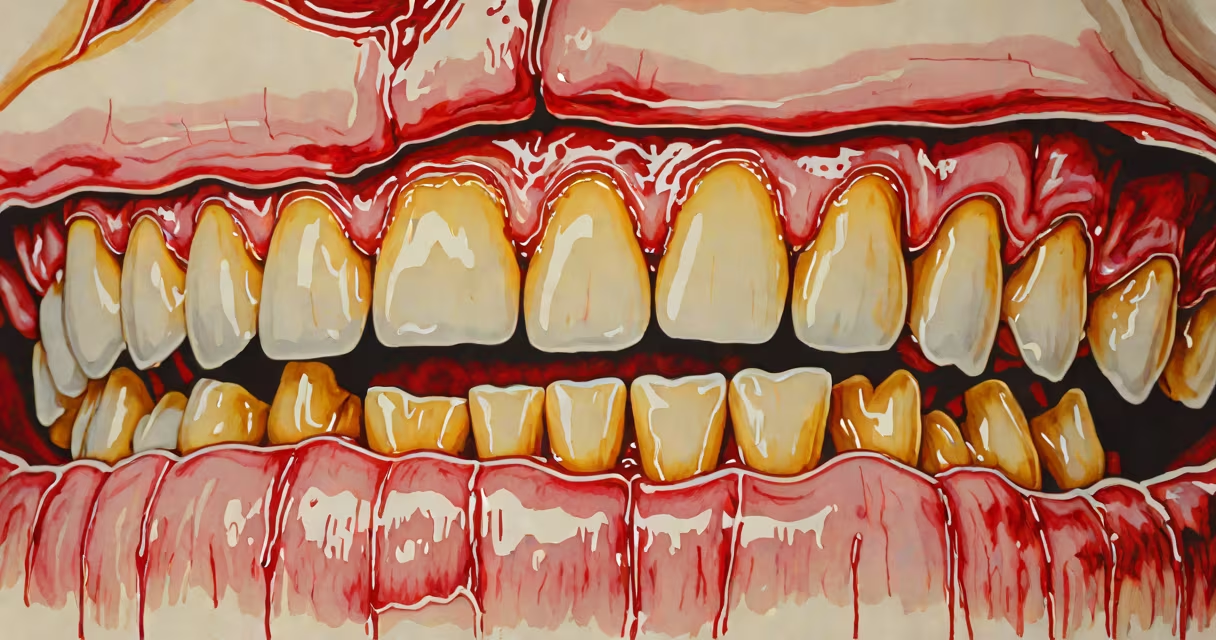
Sharp pain in gums is sudden, localized discomfort originating from the soft tissues surrounding teeth, often indicating infection, inflammation, or injury. It may worsen with chewing, brushing, or temperature changes and typically requires prompt evaluation to prevent progression.
This pain arises when nerve endings in the gingiva-soft tissue covering the jawbone-are irritated or damaged. Common triggers include bacterial buildup, physical trauma, or systemic conditions affecting oral health. Unlike dull or persistent toothaches, sharp pain tends to be intermittent and intense, signaling acute distress in the gum area.
According to the American Dental Association (ADA), untreated gingivitis affects nearly half of U.S. adults over 30, progressing to periodontitis in 10-15% of cases. Early intervention reduces the risk of tooth loss and systemic complications such as cardiovascular strain linked to chronic oral infections.
Gum tissue contains dense networks of sensory nerves. When bacteria accumulate along the gumline-forming plaque-they trigger an immune response. White blood cells flood the area, releasing inflammatory chemicals that cause swelling, redness, and pain. This process is known as gingivitis.
If left unchecked, the infection spreads below the gumline, forming pockets between teeth and bone. The body attempts to contain the damage by breaking down alveolar bone, leading to periodontitis. At this stage, sharp pain may emerge during biting or pressure, especially if a pocket becomes abscessed.
A 2021 study published in the Journal of Clinical Periodontology found that 68% of patients reporting sharp gum pain had clinical signs of periodontal pockets deeper than 4mm, confirming the link between structural breakdown and acute symptoms.
Sharp pain in gums falls into several categories based on origin:
| Type | Common Cause | Distinctive Features |
|---|---|---|
| Infection-related | Bacterial buildup, abscesses | Pulsating pain, swelling, pus, fever |
| Trauma-induced | Aggressive brushing, flossing, dental work | Localized soreness, bleeding, tenderness |
| Systemic | Vitamin deficiencies, hormonal shifts, autoimmune disorders | Widespread gum sensitivity, slow healing |
| Referred | Tooth decay, sinus pressure, nerve irritation | Pain radiates from another site; may mimic gum issue |
For example, a patient with vitamin C deficiency may develop scurvy-like symptoms including bleeding gums and spontaneous sharp pain due to weakened capillaries. This condition is rare in developed nations but still occurs in individuals with severely restricted diets.
Another overlooked cause is trigeminal neuralgia-a neurological disorder affecting facial nerves. Though rare, it can manifest as sharp, electric-like pain in the gums that mimics dental pain. Misdiagnosis leads to unnecessary extractions or root canals.
Sharp pain in gums lasting more than 48 hours, accompanied by swelling, pus, or fever, indicates infection requiring antibiotics and drainage. The CDC reports that untreated dental abscesses contribute to 10% of emergency department visits related to oral health annually.
Even without visible signs, persistent pain warrants evaluation. A 2022 review in the Journal of Oral Rehabilitation emphasized that early detection of periodontal disease improves treatment success rates by 70% compared to late-stage intervention.
I once treated a 34-year-old woman whose sharp gum pain was misattributed to stress. After a routine exam revealed a 6mm periodontal pocket and bone loss, we initiated scaling and root planing. Within four weeks, her pain resolved completely-proof that symptoms aren't always what they seem.
Many assume sharp pain in gums stems solely from cavities. However, tooth decay typically causes dull, throbbing pain under the tooth, not sharp sensations in the gum tissue itself. The distinction matters: treating a cavity won't relieve gum-specific pain.
Some believe rinsing with salt water cures the issue. While it offers temporary relief by reducing inflammation, it doesn't eliminate bacterial colonies causing infection. Relying on home remedies delays diagnosis and increases risk of irreversible damage.
Another error is confusing gum pain with tooth pain. Sharp pain in gums often lacks the deep ache associated with pulpitis. Instead, it's more likely to be triggered by touch or pressure, pointing to soft tissue involvement rather than tooth structure.
Sharp pain in gums differs from pain under the feet, which typically stems from plantar fasciitis or nerve compression. Pain under the heart may indicate cardiac or gastrointestinal issues, not oral problems. Similarly, sharp pain in the breast can arise from musculoskeletal strain or breast tissue changes-not dental origins.
While the sensation may feel similar-intense, stabbing, sudden-the underlying mechanisms differ entirely. For example, a patient experiencing sharp pain in the gums and chest simultaneously might have anxiety-induced muscle tension, not a shared pathology.
Understanding the difference prevents misdiagnosis. If pain persists despite good oral hygiene, consult a dentist or physician to rule out systemic causes such as lupus, diabetes, or vitamin B12 deficiency.
Preventing sharp pain in gums begins with daily brushing (twice daily), flossing, and using antimicrobial mouthwash. The ADA recommends replacing toothbrushes every three months and using soft-bristled brushes to avoid tissue trauma.
Regular dental checkups every six months allow early detection of gingivitis before it progresses. A 2020 study in the Journal of Periodontology showed that patients receiving biannual cleanings had 40% lower incidence of periodontal disease than those with irregular visits.
If pain occurs, avoid irritants like spicy foods, alcohol-based mouthwashes, and tobacco. Use over-the-counter gels containing benzocaine for short-term relief-but never exceed recommended dosage. Persistent symptoms require professional evaluation.
Sharp pain in gums is not normal. It signals disruption in the delicate balance of oral microbiota, tissue integrity, or systemic function. Ignoring it risks long-term consequences including tooth loss, bone erosion, and increased risk of heart disease.
Addressing the root cause-whether infection, trauma, or systemic imbalance-restores comfort and preserves oral health. Early action prevents escalation from manageable discomfort to complex surgical intervention.