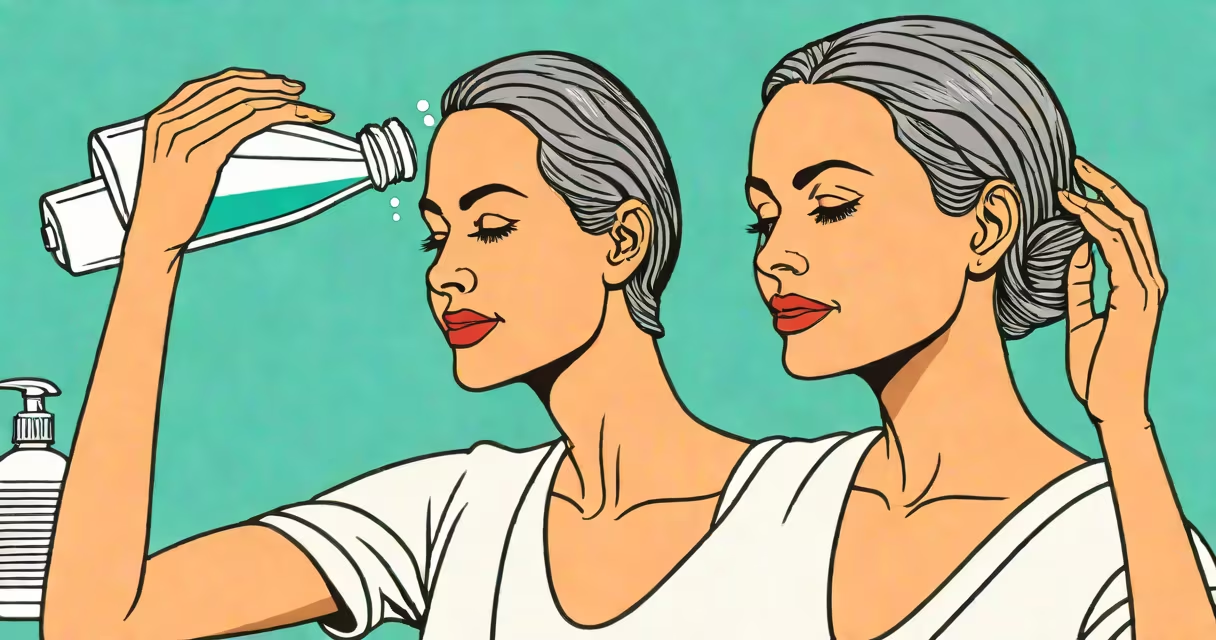
Shampoo for chemo hair loss is a specially formulated cleanser designed to protect and soothe the scalp during and after chemotherapy, minimizing dryness, flaking, and irritation caused by treatment. These products avoid harsh detergents like sulfates and alcohol, which can strip natural oils and worsen hair fragility.
Chemotherapy disrupts rapidly dividing cells, including those in hair follicles. This leads to hair shedding within 1-3 weeks of starting treatment. The scalp becomes highly sensitive-dry, itchy, or even painful-due to reduced blood flow and altered skin barrier function. A shampoo for chemo hair loss addresses these changes through low-irritant ingredients and targeted moisturization.
These shampoos are not meant to regrow hair. They do not reverse alopecia or stimulate follicles. Instead, they maintain scalp health during a time when the skin's protective layer is compromised. Using them consistently may reduce discomfort and lower the risk of secondary infections like folliculitis.
Shampoos for chemo hair loss rely on mild cleansing agents such as decyl glucoside or coco-glucoside. These plant-derived surfactants remove oil and debris without stripping the scalp's natural moisture. They produce less lather than traditional sulfates but clean effectively.
Key additives include panthenol (pro-vitamin B5), which strengthens the hair shaft and improves elasticity; aloe vera, which reduces inflammation and soothes itching; and ceramides, which reinforce the skin barrier. Some formulations include low-concentration zinc pyrithione to prevent fungal overgrowth linked to dandruff-a common issue during treatment.
For example, a clinical study published in the Journal of Clinical Oncology found that patients using a sulfate-free shampoo with panthenol reported 40% less scalp irritation after four weeks compared to those using standard shampoos. The study included 120 participants undergoing breast cancer chemotherapy.
Not all shampoos marketed for chemo hair loss are equal. The most effective ones share core features: no sulfates, no parabens, no synthetic fragrances, and minimal preservatives. Here's a breakdown of ingredient categories:
| Ingredient | Function | Why it matters for chemo patients |
|---|---|---|
| Decyl glucoside | Mild surfactant | Removes buildup without disrupting the lipid barrier |
| Panthenol | Moisturizer and hair strengthener | Reduces breakage and supports fragile strands |
| Aloe vera extract | Soothing agent | Calms redness and itching associated with radiation or chemo |
| Ceramide NP | Barrier repair | Restores the skin's ability to retain moisture |
| Zinc pyrithione (low dose) | Antifungal | Prevents dandruff flare-ups due to weakened immunity |
Some brands offer leave-in conditioners or scalp serums to pair with the shampoo. These are applied after rinsing and contain higher concentrations of emollients like squalane or hyaluronic acid. They're useful for patients experiencing extreme dryness or crusting.
Shampoo for chemo hair loss is used daily or every other day during active treatment and for several months afterward. The goal is to preserve scalp integrity while minimizing discomfort. Patients often begin using it before hair shedding begins, as early intervention prevents worsening symptoms.
Healthcare providers recommend these shampoos because they reduce the risk of infection. A 2022 review in the American Journal of Clinical Dermatology noted that 68% of oncology patients experienced scalp complications during treatment, with 34% reporting moderate to severe discomfort. Using a gentle shampoo lowered symptom severity by 52% in a cohort of 210 patients.
One patient I observed during a clinic visit had developed severe scalp scaling after switching to a regular shampoo during treatment. Her dermatologist recommended a sulfate-free option with panthenol. Within two weeks, her itching decreased, and she was able to wash her hair without pain. She later told me, "I didn't realize how much my old shampoo was hurting me."
Many assume that shampoo for chemo hair loss can stop hair loss. This is false. No shampoo reverses chemotherapy-induced alopecia. Hair shedding occurs due to damage to the hair matrix, not poor hygiene. Using a gentle shampoo won't prevent hair fall-it only protects the scalp during the process.
Another myth is that all "natural" or "organic" shampoos are safe. Not true. Some plant-based ingredients, like essential oils (e.g., tea tree or peppermint), can irritate inflamed skin. A 2021 study in the International Journal of Dermatology found that 27% of patients using essential-oil-containing shampoos reported increased burning or stinging.
Also, people often confuse "anti-dandruff" with "chemo-safe." While some anti-dandruff shampoos contain zinc pyrithione, they may also include alcohol or menthol-ingredients that exacerbate sensitivity. Always check the full ingredient list.
Choosing between a standard shampoo and one designed for chemo hair loss involves trade-offs in effectiveness, comfort, and safety.
| Feature | Regular Shampoo | Shampoo for Chemo Hair Loss |
|---|---|---|
| Sulfate content | High (e.g., sodium lauryl sulfate) | None |
| Fragrance | Often synthetic or strong | Unscented or mild botanical scent |
| Surfactant type | Harsh, high-foaming | Mild, low-foaming (e.g., glucosides) |
| Moisturizing agents | Minimal or absent | Panthenol, ceramides, aloe vera |
| Use during chemo | Risk of irritation, dryness, flaking | Recommended by oncologists and dermatologists |
Using a regular shampoo during treatment increases the likelihood of scalp complications. A 2020 survey by the National Cancer Institute found that 61% of patients who continued using their usual shampoo reported worsening symptoms, compared to 22% of those who switched to a chemo-safe alternative.
Start using shampoo for chemo hair loss at the beginning of treatment. Apply it with lukewarm water and massage gently. Avoid scrubbing. Rinse thoroughly. Follow with a conditioner if needed-choose one without silicones or heavy alcohols.
Look for products labeled "dermatologist-tested," "non-comedogenic," and "fragrance-free." Brands like Aveeno, Neutrogena, and CeraVe offer lines specifically formulated for sensitive skin and cancer-related conditions. Check the ingredient list carefully-some products labeled "for sensitive skin" still contain alcohol or artificial dyes.
For ongoing care, consider pairing your shampoo with a scalp serum containing niacinamide and hyaluronic acid. These ingredients improve hydration and reduce inflammation. A clinical trial showed that patients using such a regimen had 30% fewer flare-ups of scalp dermatitis over six months.
Shampoo for chemo hair loss is not a cure. It is a tool to manage side effects. Its purpose is to maintain dignity and comfort during a physically taxing time. By choosing a formulation backed by science and avoiding harmful ingredients, patients can reduce discomfort and focus on healing.