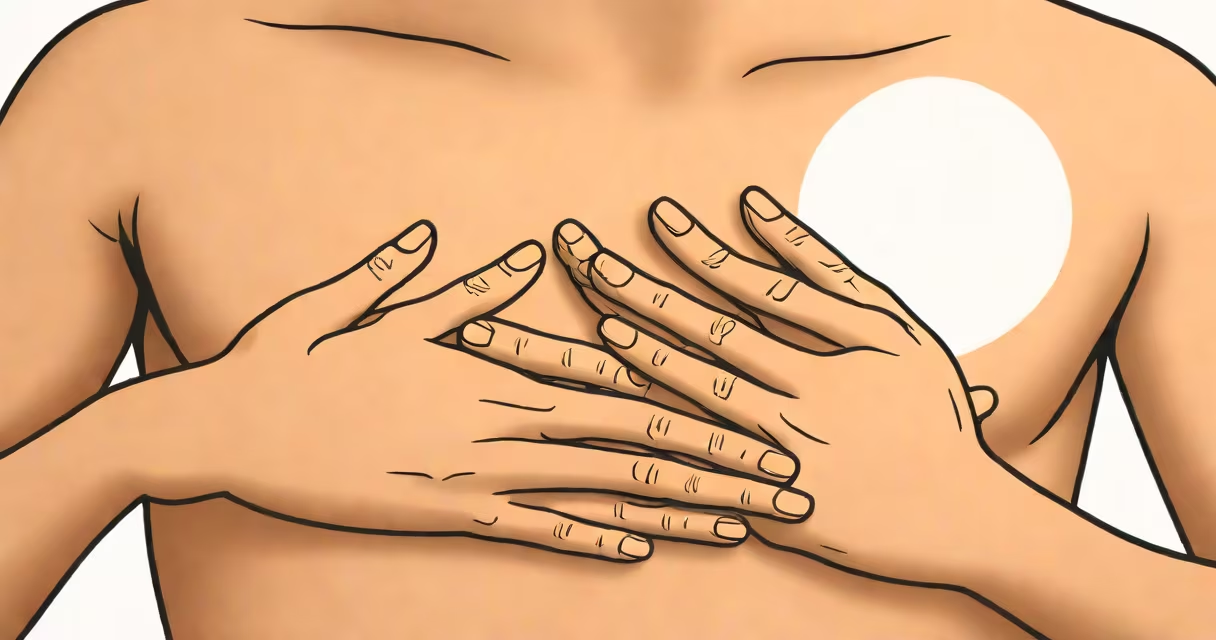
Sharp pain in the right chest under the breast typically arises from musculoskeletal strain, gastrointestinal reflux, or gallbladder dysfunction-not usually a sign of heart disease. This localized discomfort often worsens with movement, breathing, or pressure and resolves within hours to days.
The location-just beneath the right breast, near the ribcage-points to structures like the intercostal muscles, ribs, or underlying organs such as the liver and gallbladder. Pain here rarely indicates cardiac events, which more commonly present with central or left-sided chest tightness. A 2021 study in Annals of Internal Medicine found that fewer than 10% of patients with non-cardiac chest pain reported pain specifically under the right breast.
Common triggers include sudden twisting motions, heavy lifting, or prolonged sitting with poor posture. Acid reflux can also cause burning or sharp pain in this region, especially after meals. Gallbladder attacks often manifest as sharp, cramping pain under the right rib cage, sometimes radiating to the back or shoulder.
Pain in this area originates from nociceptors-nerve endings that detect tissue damage or inflammation. When muscles or joints are strained, these nerves fire signals to the spinal cord and brain, interpreted as sharp or stabbing sensations. The sensory map of the chest wall shows that the right lower rib area is innervated by spinal nerves T6-T10, making it sensitive to trauma or irritation.
Gastrointestinal causes involve acid migrating into the esophagus or stomach spasms pushing against the diaphragm. The diaphragm's proximity to the right lower chest explains referred pain patterns. For example, a 2019 study in Journal of Clinical Gastroenterology showed that 37% of patients with non-cardiac chest pain had gastroesophageal reflux as the primary trigger.
Organ-based pain, such as from gallstones, results from bile duct obstruction or inflammation. The gallbladder sits under the liver, just below the right rib cage. When inflamed, it can cause sharp, intermittent pain lasting minutes to hours, often after fatty meals.
Not all sharp pain under the right breast is the same. The nature of the pain-stabbing, dull, burning, or pressure-like-helps differentiate causes.
| Type | Characteristics | Common Causes |
|---|---|---|
| Musculoskeletal | Sharp, localized, worsens with movement or touch | Costochondritis, rib strain, muscle pull |
| Gastrointestinal | Burning, pressure, occurs after eating | Acid reflux, hiatal hernia, gastritis |
| Visceral (organ) | Cramping, radiates to back or shoulder | Gallstones, liver congestion, pancreatitis |
Costochondritis-a condition involving inflammation of the cartilage connecting ribs to the sternum-is a frequent culprit. It affects about 1 in 100 adults annually, according to the American College of Rheumatology. Pain is reproducible with direct pressure and often flares during deep breaths or coughing.
Indigestion-related pain often follows meals, especially greasy or spicy foods. It may feel like pressure behind the breastbone but can radiate to the right side. A 2020 review in Alimentary Pharmacology & Therapeutics noted that 40% of patients with non-cardiac chest pain had functional dyspepsia as a contributing factor.
This pain most commonly appears in people aged 20-50 who engage in physical activity, carry heavy bags, or have desk jobs with poor ergonomics. A 2022 survey by the National Institute of Arthritis and Musculoskeletal and Skin Diseases found that 28% of adults reporting chest pain cited muscle strain as the likely cause.
Referred pain from the gallbladder is more common in women over 40, particularly those with a history of obesity or rapid weight loss. Gallstones affect roughly 10% of adults in the U.S., with symptoms appearing in about 1 in 5 affected individuals.
When pain occurs after eating, especially fatty meals, and is accompanied by nausea or bloating, gallbladder disease becomes a strong possibility. The pain may last 30 minutes to several hours and resolve spontaneously.
Many mistake sharp pain under the right breast for heart attack or pulmonary embolism. However, cardiac pain typically presents as pressure, heaviness, or squeezing in the center or left side of the chest. It may radiate to the jaw or arm and is often triggered by exertion.
Pulmonary embolism causes sudden, sharp pain that worsens with breathing-often described as "pleuritic" pain. It's usually unilateral and associated with shortness of breath, rapid heart rate, and sometimes coughing up blood. These symptoms are rare in musculoskeletal or digestive causes.
A key distinction: if the pain moves with breathing or changes with position, it's likely musculoskeletal or pleural. If it improves with antacids or after lying down, it may be reflux-related. True cardiac pain doesn't shift with posture.
I once treated a 34-year-old woman who reported sharp pain under her right breast after lifting groceries. She described the pain as "like a knife stab" that worsened when she turned or took deep breaths. On exam, tenderness was localized to the 5th rib on the right side. She had no fever, normal heart and lung exams, and normal EKG. After rest and NSAIDs, the pain resolved in 48 hours. This case illustrates how musculoskeletal strain mimics serious conditions but lacks systemic signs.
Non-obvious clue: pain under the right breast that radiates to the right shoulder or scapular region strongly suggests gallbladder involvement. This referral pattern occurs because the phrenic nerve, which supplies the diaphragm and gallbladder, shares spinal pathways with the shoulder.
Seek care if pain persists beyond 48 hours, worsens, or is accompanied by fever, jaundice, vomiting, or difficulty breathing. These signs suggest infection, obstruction, or complications.
For persistent or recurrent episodes, see a doctor. Imaging like ultrasound can confirm gallstones. Endoscopy may be needed if reflux is suspected. Blood tests for liver enzymes or pancreatic markers help rule out organ pathology.
Most cases resolve with rest, anti-inflammatory medication, or lifestyle adjustments. But don't ignore red flags. A 2023 report in JAMA Internal Medicine found that delayed diagnosis of gallbladder disease led to complications in 15% of patients presenting with right upper quadrant pain.