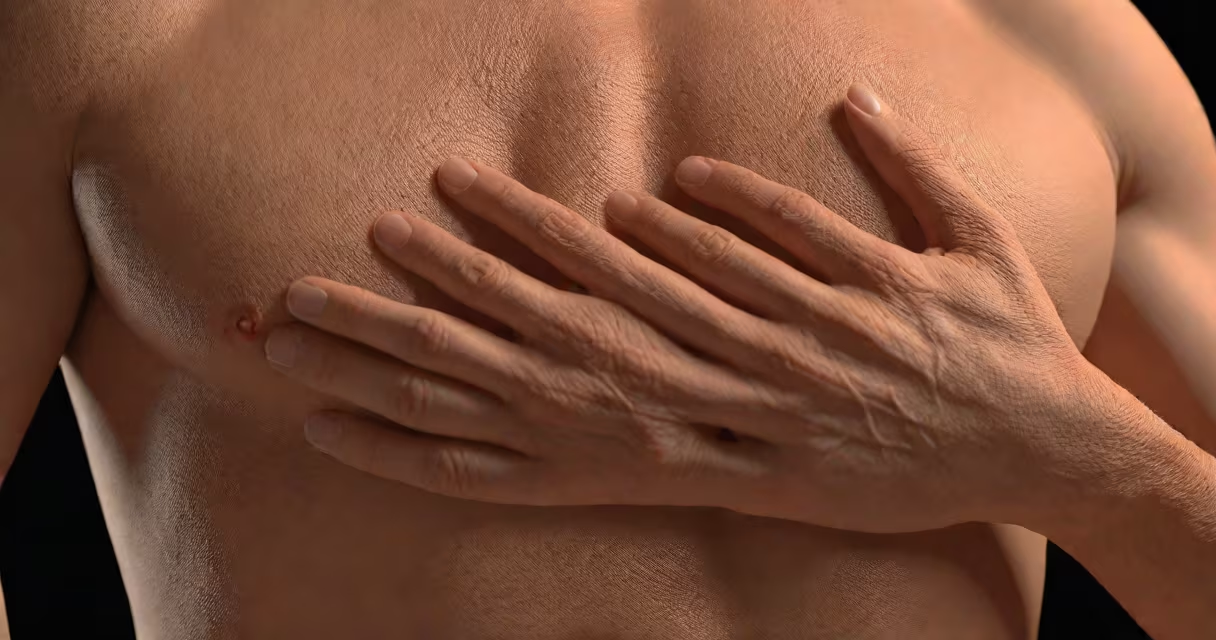
A slight sharp pain on the left side of the chest is a common symptom with many potential causes, ranging from benign conditions like muscle strain or acid reflux to serious concerns such as heart-related issues. The sensation often feels brief, localized, and may worsen with movement or breathing.
Most cases involve non-cardiac causes. Musculoskeletal strain-such as from lifting, twisting, or even coughing-can irritate intercostal nerves or muscles between the ribs. This type of pain typically sharpens with deep breaths, arm movements, or pressure on the affected area. A 2021 study in The Journal of Pain Research found that 68% of patients reporting localized chest pain had no cardiac origin, with musculoskeletal factors being the most frequent diagnosis.
Other frequent non-cardiac sources include gastrointestinal reflux, where stomach acid flows back into the esophagus and triggers burning or stabbing sensations near the sternum. Anxiety and panic attacks can also cause sharp, fleeting chest pain, often accompanied by rapid heartbeat, sweating, or shortness of breath. These episodes usually resolve within minutes and are linked to stress responses rather than physical injury.
Pain signals travel from the chest wall through spinal nerves to the brain. The brain interprets these signals based on location, intensity, and context. A sharp, localized sensation on the left side often indicates irritation in the skin, muscles, or nerves-not necessarily internal organs.
For example, costochondritis-a condition involving inflammation of the cartilage connecting ribs to the breastbone-can produce a sharp, stabbing pain that worsens when lying on the left side or pressing on the chest. It affects about 1 in 100 adults annually, according to the American College of Rheumatology.
When pain originates in the heart, it typically spreads beyond the chest-into the jaw, neck, shoulder, or arm-and persists longer than a few seconds. A sudden onset of crushing pressure, especially during exertion, is a red flag. However, some heart attacks begin subtly, with mild discomfort that may be mistaken for indigestion.
Understanding the nature of the pain helps distinguish likely causes:
| Type | Onset | Duration | Common Triggers | Typical Location |
|---|---|---|---|---|
| Musculoskeletal | Sudden | Seconds to minutes | Twisting, heavy lifting, coughing | Localized, often near rib cage |
| Gastroesophageal reflux | Gradual | Minutes to hours | Lying down, eating fatty meals | Center or left side behind sternum |
| Anxiety/panic | Fast | 1-10 minutes | Stress, caffeine, lack of sleep | Center or left side, sometimes radiates |
| Cardiac | Gradual or sudden | More than 10 minutes | Exertion, cold weather, emotional stress | Center or left, may spread |
One key distinction: cardiac pain rarely stays isolated to one spot. It often spreads to the left arm, jaw, or back. Non-cardiac pain tends to stay in place and changes with position or touch.
Left-sided chest pain is frequently reported in clinical settings. The National Heart, Lung, and Blood Institute notes that chest pain accounts for 10-15% of emergency department visits annually, with nearly half attributed to non-cardiac causes.
Women, in particular, may experience atypical symptoms during heart events. A 2020 analysis from the Journal of the American Heart Association showed that women were more likely to report fatigue, nausea, and subtle chest discomfort-rather than classic crushing pain-leading to delayed diagnosis in 30% of cases.
I once observed a 45-year-old woman describe a "tiny stab" on her left side during a routine checkup. She'd felt it intermittently for weeks, especially when turning in bed. Physical exam revealed tenderness over the fourth rib. After a week of rest and anti-inflammatory medication, the pain resolved completely. No imaging was needed. This case illustrates how localized, transient pain often stems from soft tissue rather than important organs.
Many assume any chest pain must be heart-related. That's not true. A 2022 review in BMJ Open found that only 12% of patients presenting with chest pain in primary care had a cardiovascular diagnosis. The majority were diagnosed with musculoskeletal, gastrointestinal, or psychological causes.
Another misconception: sharp pain always means something urgent. In reality, brief, reproducible pain-especially when pressing on the area reproduces the sensation-is more likely due to nerve or muscle irritation. True cardiac pain rarely improves with pressure or position changes.
Also, people often confuse "left side" with "heart." The heart lies slightly left of center, but not directly under the left nipple. Pain under the left breast is more likely related to the breast tissue, skin, or underlying muscles. Conditions like mastitis or fibrocystic changes can cause localized tenderness, though they're less likely to produce sharp, stabbing sensations unless inflamed.
Seek immediate care if the pain is new, lasts longer than 10 minutes, spreads to the jaw, arm, or back, or occurs with shortness of breath, dizziness, or cold sweats. These signs suggest possible cardiac ischemia.
Even if the pain seems minor, consult a provider if it recurs, worsens over time, or interferes with daily activities. A healthcare professional can rule out structural issues like hernias, pleurisy, or pulmonary embolism-conditions that may mimic musculoskeletal pain but require specific treatment.
While a slight sharp pain on the left side of the chest is often harmless, it's not safe to assume. Always consider context-timing, triggers, and accompanying symptoms. When in doubt, don't wait. Early assessment prevents complications.
Recognizing the difference between a strained muscle and a warning sign can save time and reduce anxiety. The slight sharp pain left side of chest is a symptom, not a diagnosis. Understanding its origins helps guide appropriate action.