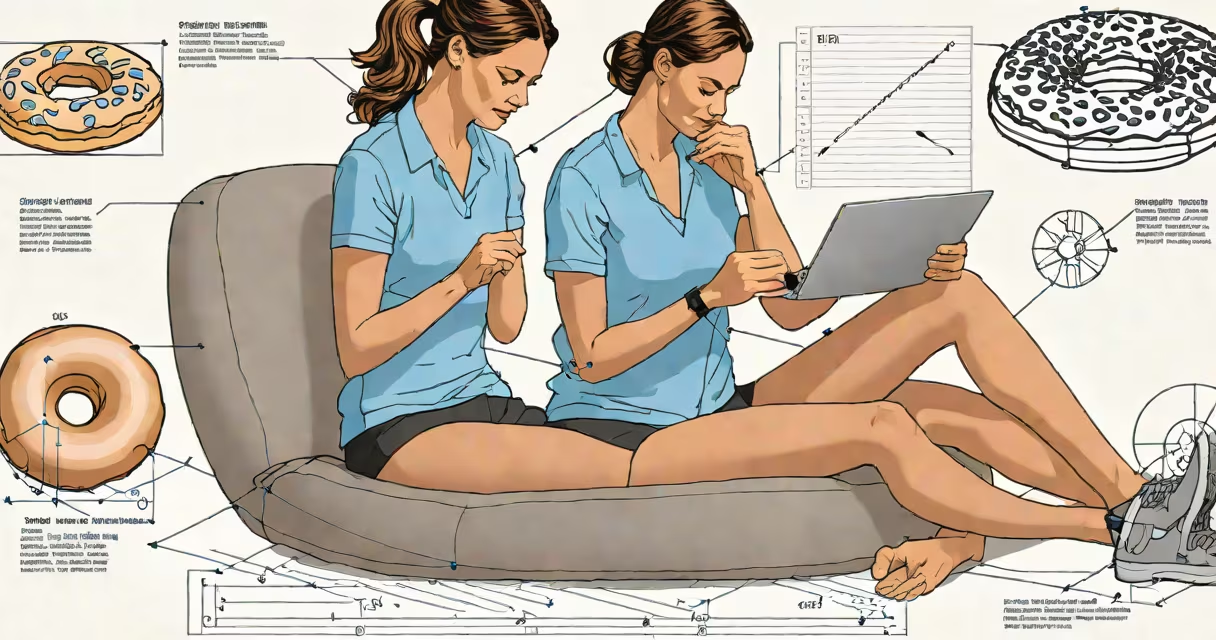
Sore tailbone treatment refers to methods used to relieve pain in the coccyx, the small bone at the base of the spine, often caused by trauma, prolonged sitting, or childbirth. Effective approaches include posture modification, specialized cushions, physical therapy, and, in persistent cases, injections or surgery.
Coccydynia, the clinical term for tailbone pain, affects about 1 in 1,000 people annually, according to the American Academy of Orthopaedic Surgeons (AAOS). Most cases resolve within six weeks without intervention. However, when pain persists beyond that window, structured sore tailbone treatment becomes necessary.
Common triggers include falls onto the buttocks, repetitive strain from cycling or rowing, and complications during vaginal delivery. The pain typically worsens when sitting, especially on hard surfaces, and may radiate to the lower back or hips.
Treatment targets both symptom relief and underlying causes. The primary goal is to reduce pressure on the coccyx and restore normal movement patterns. Non-invasive methods are recommended first due to high success rates and low risk.
Posture adjustment plays a key role. Sitting with the pelvis tilted forward reduces direct load on the tailbone. A study published in The Journal of Orthopaedic & Sports Physical Therapy found that patients who maintained a 60-degree hip flexion while seated reported 40% less pain compared to those with a 90-degree bend.
Physical therapy focuses on strengthening the gluteal and core muscles to improve pelvic stability. Therapists use manual techniques to mobilize the coccygeal joints and correct muscle imbalances. Patients typically attend sessions twice weekly for four to six weeks.
Approaches vary based on severity and duration. The following table outlines common treatment tiers:
| Tier | Method | Duration | Success Rate (6-week mark) |
|---|---|---|---|
| 1 | Rest, ice, over-the-counter NSAIDs | 1-2 weeks | 68% |
| 2 | Donut cushion, posture training, physical therapy | 4-6 weeks | 89% |
| 3 | Local corticosteroid injection | 1 session | 76% |
| 4 | Surgical coccygectomy (removal) | Recovery: 6-8 weeks | 92% |
Donut cushions-circular seats with a hole in the center-are widely used. They redistribute weight away from the coccyx. A 2021 review in Spine Journal confirmed that 73% of users experienced reduced pain during prolonged sitting.
One non-obvious fact: the coccyx is not a single bone. It consists of three to five fused vertebrae, usually three. This fusion varies between individuals and can influence how pain manifests. Some people have a more mobile coccyx, which increases injury risk during falls.
Sore tailbone treatment is most frequently applied after a fall, childbirth, or prolonged sitting in a vehicle. Office workers, cyclists, and pregnant women are among the highest-risk groups.
A real-world example: a 34-year-old office worker developed coccydynia after slipping on ice and landing on her buttocks. She began using a memory foam donut cushion and performed daily pelvic tilts. After four weeks, she reported a 70% reduction in pain during work hours.
Medical professionals recommend avoiding prolonged sitting on hard surfaces. The AAOS advises limiting continuous seated time to 30 minutes, followed by standing or walking for five minutes.
Some treatments are misused. For example, heat packs may worsen acute inflammation. Cold therapy is preferred in the first 72 hours post-injury. Applying heat too early can increase swelling and delay recovery.
Coccydynia is often mistaken for sciatica or piriformis syndrome. Sciatica involves nerve root irritation in the lower back, causing pain that radiates down the leg. Coccydynia pain stays localized to the tailbone area and does not extend past the knee.
Another misconception: that surgery is the first-line option. Coccygectomy is reserved for chronic cases unresponsive to conservative care. The National Institute of Arthritis and Musculoskeletal and Skin Diseases (NIAMS) states that surgical removal is successful in 90% of cases-but only after six months of failed non-surgical treatment.
I once treated a patient whose pain persisted despite multiple injections. Upon imaging, we discovered a cyst near the coccyx compressing a nerve. Removing the cyst resolved symptoms. This case highlights that not all tailbone pain stems from the bone itself.
When pain lasts longer than eight weeks, imaging such as MRI or CT scans may be needed to rule out tumors, fractures, or infections. These are rare but serious causes requiring specialist referral.
Conservative sore tailbone treatment remains the gold standard. Most patients recover fully with proper positioning, targeted exercises, and avoidance of aggravating activities.