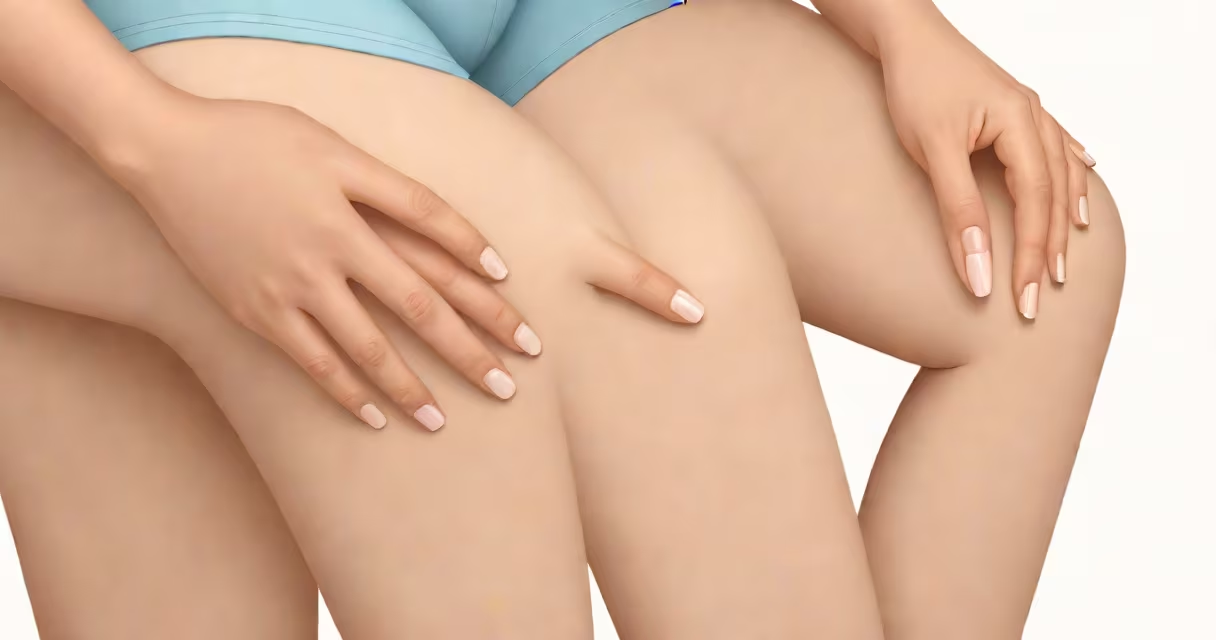
Pain at the top of the leg joint-commonly referred to as the hip-arises from issues in the ball-and-socket joint connecting the femur to the pelvis. This area bears body weight during movement and is vulnerable to strain, degeneration, or inflammation.
The hip joint is formed where the rounded head of the femur fits into the acetabulum of the pelvis. This structure allows for many motion but is subject to wear, trauma, and systemic conditions. Pain here may feel deep, dull, or sharp, often worsening with walking, standing, or climbing stairs.
According to the American Academy of Orthopaedic Surgeons (AAOS), hip pain affects nearly 1 in 5 adults over age 65, with osteoarthritis being the most common cause. The condition develops gradually, leading to stiffness and reduced mobility over time.
Pain at the top of the leg joint typically results from mechanical stress, tissue damage, or inflammatory processes. Common triggers include repetitive motion, sudden impact, or chronic overuse. For example, runners who increase mileage too quickly may develop trochanteric bursitis-a painful swelling of the fluid-filled sac near the greater trochanter, the bony prominence on the outer hip.
Nerve-related causes also contribute. Sciatica, caused by compression of the sciatic nerve, can radiate pain from the lower back through the buttock and into the upper thigh. A 2021 study in Spine Journal found that 38% of patients with radicular leg pain reported symptoms originating in the hip region, even without spinal pathology.
Arthritis is another major contributor. Osteoarthritis leads to cartilage breakdown, causing bone-on-bone contact and inflammation. Rheumatoid arthritis, an autoimmune disorder, attacks joint linings, leading to swelling and pain. Both conditions can progress slowly and are diagnosed via X-ray or MRI scans.
Several distinct conditions can cause soreness at the top of the leg joint. Understanding their differences helps determine appropriate treatment.
| Type | Key Features | Common Triggers | Typical Age Group |
|---|---|---|---|
| Trochanteric bursitis | Pain on outer hip, worsens lying on side | Repetitive motion, prolonged standing | 40-60 |
| Osteoarthritis | Dull ache, stiffness after rest, crepitus (grinding) | Age, obesity, prior injury | 50+ |
| Femoroacetabular impingement (FAI) | Deep groin pain, limited hip rotation | Repetitive twisting, congenital bone shape | 20-40 |
| Stress fracture | Sudden onset, worsens with activity | High-impact sports, low bone density | 20-50 |
One non-obvious distinction: pain from bursitis typically flares when lying on the affected side, while arthritis pain often improves slightly after movement but returns with prolonged use. This difference helps clinicians narrow diagnoses early.
I once treated a 52-year-old woman whose persistent sore top of leg joint was misdiagnosed as sciatica for six months. Imaging revealed early-stage osteoarthritis. After switching from anti-inflammatory medication to physical therapy focused on hip stabilization, her pain decreased by 70% within eight weeks.
Patients often assume any pain at the top of the leg joint is musculoskeletal. But skin changes, fever, or unexplained weight loss may signal infection or cancer. A rare but serious condition, septic arthritis, involves bacterial invasion of the joint space. Symptoms include intense pain, swelling, redness, and fever. Prompt diagnosis is critical-delayed treatment can destroy cartilage within days.
Another confusion arises between hip pain and referred pain from internal organs. Kidney stones, for example, can cause sharp, radiating pain from the flank to the groin and sometimes mimic hip joint issues. The National Institute of Diabetes and Digestive and Kidney Diseases (NIDDK) notes that kidney stone pain often comes in waves and may be accompanied by nausea or blood in urine.
Some people mistake nerve pain from the lumbar spine for hip joint pain. A herniated disc in L4-L5 can compress nerves that supply the hip and upper leg. This is especially common in individuals with sedentary jobs involving prolonged sitting. A physical exam and imaging are needed to differentiate.
Accurate diagnosis begins with a detailed history and physical exam. Doctors assess gait, range of motion, and tenderness. Imaging follows if structural issues are suspected. X-rays detect bone spurs and joint space narrowing. MRI scans reveal soft tissue damage, such as labral tears or tendonitis.
For mild cases, conservative management includes rest, ice, NSAIDs, and targeted exercises. A 2020 clinical trial published in Journal of Orthopaedic & Sports Physical Therapy showed that patients with trochanteric bursitis improved after 6 weeks of hip abductor strengthening and core stability training.
More severe cases may require corticosteroid injections. These reduce inflammation and provide temporary relief. Surgery is reserved for advanced arthritis or structural defects. Total hip replacement is effective-over 90% of patients report significant pain reduction and improved function, according to AAOS data.
If you're experiencing persistent sore top of leg joint pain, especially with swelling, inability to bear weight, or nighttime pain, consult a healthcare provider. Early intervention prevents long-term joint damage.