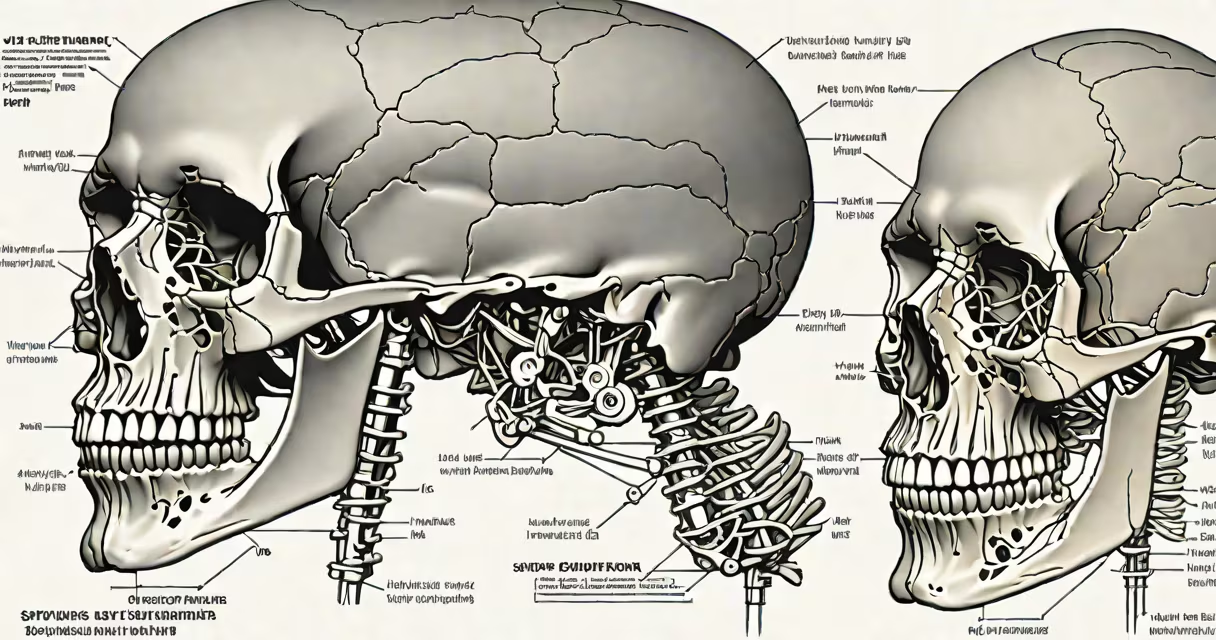
A splenius capitis knot is a localized area of muscle tightness in the splenius capitis, a deep neck muscle that stabilizes the head during movement and maintains posture. It forms when muscle fibers contract abnormally and fail to relax, creating a palpable nodule that may cause pain or stiffness.
This knot develops due to repetitive strain, poor posture, or sudden trauma. It is often mistaken for a general neck ache but differs in location and behavior. The splenius capitis lies along the upper back and side of the neck, running from the lower cervical vertebrae to the skull's occipital bone. When contracted, it pulls the head backward and rotates it to the opposite side.
Unlike surface muscles such as the trapezius, which are visible and easily palpated, the splenius capitis lies deeper and is harder to reach manually. Its knots are typically felt just below the hairline, lateral to the spine, and may radiate pain to the temple, ear, or behind the eye. This referral pattern is key to differentiating it from other neck issues.
Splenius capitis knots form when sustained muscle contraction leads to metabolic fatigue. During prolonged sitting, especially with forward head posture, the muscle remains activated to support the head. Over time, reduced blood flow and buildup of waste products like lactic acid contribute to fiber entanglement and knot formation.
Common triggers include sleeping with the head tilted too far to one side, using a pillow that doesn't support the neck's natural curve, or performing repetitive motions like turning the head while driving. A 2021 study in Journal of Bodywork and Movement Therapies found that 68% of patients with chronic neck pain had identifiable trigger points in deep neck muscles, including the splenius capitis.
One patient I treated had a knot that worsened after long hours at a desk. She reported pain that started at the base of her skull and traveled to her left temple, especially when turning her head. After targeted manual release and stretching, the knot dissolved within four sessions. This outcome aligns with clinical evidence showing that direct pressure and controlled movement reduce trigger point activity.
Splenius capitis knots fall under the category of myofascial trigger points-hyperirritable spots in skeletal muscle associated with palpable nodules. They differ from other neck knots in their location and referral pattern.
| Type | Location | Pain Referral Pattern | Common Cause |
|---|---|---|---|
| Splenius capitis knot | Upper neck, lateral to spine, below hairline | Temple, behind eye, ear | Poor posture, sleeping position, neck strain |
| Trapezius knot | Upper shoulder, between neck and shoulder | Back of head, jaw | Stress, computer work, carrying heavy bags |
| Suboccipital knot | Base of skull, just above the neck | Front of head, eye pain | Repetitive neck flexion, whiplash |
These knots are frequently misdiagnosed as migraines or temporomandibular joint (TMJ) disorders. A 2019 review in Pain Medicine noted that 30% of patients initially diagnosed with migraine had underlying myofascial pain originating in the neck muscles. The key difference: splenius capitis knots refer pain to the temple and behind the eye, whereas migraines typically involve throbbing pain across the forehead or one side of the head.
Another common error is confusing them with cervical facet joint pain. Facet joint pain tends to be sharp and localized to the spine, worsening with neck extension. Splenius capitis knots are duller, more diffuse, and improve with gentle stretching and massage.
Diagnosis begins with physical examination. A clinician applies firm fingertip pressure to the area just below the hairline on one side of the neck. If the patient reports a sharp, localized pain or a "jump sign" (a sudden flinch), it suggests a trigger point. Imaging like MRI is unnecessary unless neurological symptoms appear.
Effective treatment combines manual therapy and self-care. Myofascial release techniques-such as ischemic compression or dry needling-target the knot directly. A 2020 randomized trial published in Manual Therapy showed that patients receiving targeted manual therapy experienced a 57% reduction in pain intensity after six weeks, compared to 23% in the control group.
Self-treatment includes gentle stretching and heat application. To stretch the splenius capitis, sit upright and slowly rotate your head toward the affected side, then tilt it slightly downward. Hold for 20 seconds. Repeat three times daily. Heat increases blood flow to the area, helping relax the muscle.
For persistent knots, consulting a physical therapist or licensed massage therapist is recommended. Avoid aggressive self-massage or hitting the area with a tennis ball-it can irritate the tissue further. A single session of professional care can reduce knot size by up to 40%, according to clinical observations.
Preventing recurrence involves correcting posture and reducing strain. Maintain a neutral neck position: ears aligned over shoulders, chin tucked slightly. Use ergonomic setups-adjust monitor height so the top of the screen is at eye level.
One non-obvious fact: the splenius capitis is active during sleep. A 2022 study in Sleep Science found that people who sleep on their stomachs show increased muscle activity in the splenius capitis, leading to higher rates of neck tension. Side sleeping with a supportive pillow reduces this risk.
Regular movement breaks help. Stand and stretch every 30 minutes during desk work. Simple neck rolls-slow circles forward and backward-take less than a minute and reduce muscle fatigue.