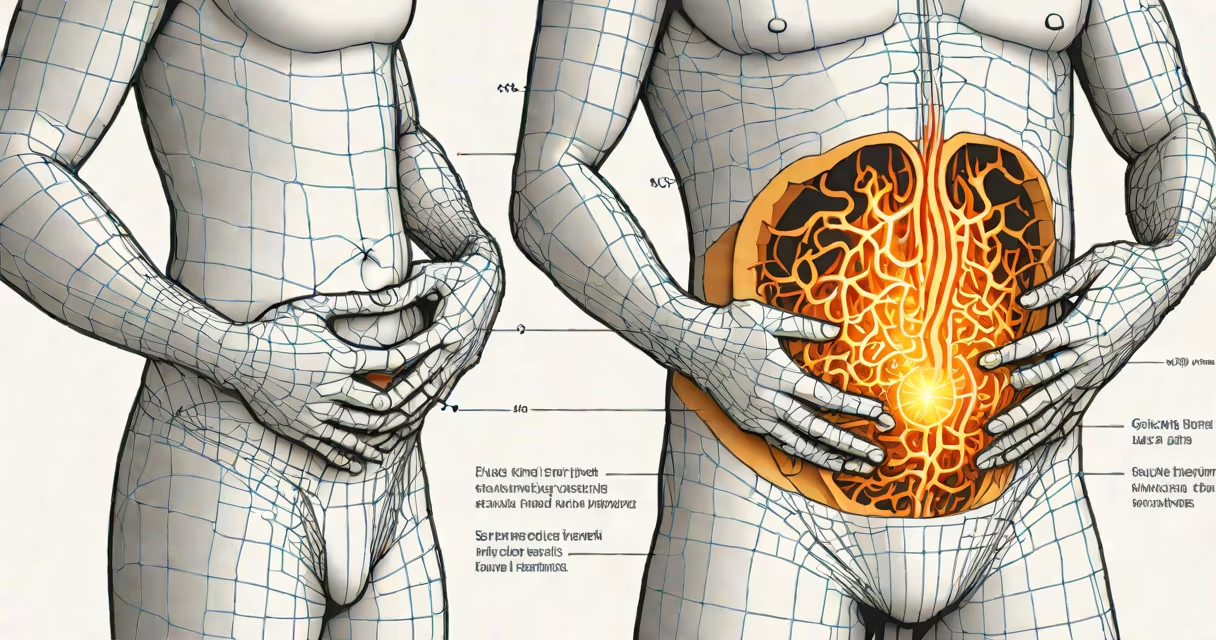
A stomach that feels burning and bloated indicates irritation in the upper gastrointestinal tract, typically due to excess acid, trapped gas, or delayed digestion. This sensation combines heartburn-like burning with pressure or swelling in the abdominal area. The combination often points to gastroesophageal reflux disease (GERD), functional dyspepsia, or excessive gas accumulation.
Burning occurs when stomach acid backs up into the esophagus or irritates the stomach lining. Bloating results from air or gas trapped in the digestive tract, often from swallowed air, certain foods, or bacterial fermentation. When both sensations occur together, they suggest overlapping mechanisms-such as acid hypersecretion combined with impaired gastric emptying.
The American College of Gastroenterology notes that persistent burning and bloating affect about 20% of adults annually, with many cases linked to diet, stress, or medication use. Identifying the root cause requires attention to timing, food triggers, and symptom patterns.
Burning in the stomach arises when hydrochloric acid from the gastric glands exceeds normal levels or when the lower esophageal sphincter fails to close properly. This allows acid to flow upward, causing a burning sensation behind the breastbone or in the upper abdomen. Bloating stems from distension caused by gas or fluid buildup in the stomach or intestines.
When both happen simultaneously, it's often because a single trigger affects multiple systems. For example, eating spicy or fatty meals slows gastric emptying. The stomach retains food longer, increasing pressure and allowing acid to pool. This leads to both bloating from retained volume and burning from acid exposure.
Another mechanism involves small intestinal bacterial overgrowth (SIBO). Research from the National Center for Biotechnology Information shows SIBO increases gas production, leading to bloating. It also disrupts gut motility, which can worsen acid reflux. A patient with SIBO may report bloating within 30 minutes of eating, followed by burning after lying down.
Diet plays a major role. Foods high in fat, caffeine, alcohol, chocolate, citrus, and tomatoes stimulate acid secretion or relax the lower esophageal sphincter. These increase the risk of both burning and bloating. For example, a 2022 study in Alimentary Pharmacology & Therapeutics found that participants who consumed more than 15 grams of fat per meal had a 40% higher incidence of postprandial bloating and heartburn.
Swallowed air during eating or drinking-especially carbonated beverages-contributes to bloating. Carbonation releases CO₂ in the stomach, increasing volume and pressure. This can push acid upward, creating a dual effect: bloating from gas and burning from reflux.
Functional disorders such as irritable bowel syndrome (IBS) and functional dyspepsia frequently present with burning and bloating. According to the Rome Foundation, functional dyspepsia affects 10-15% of adults globally, with symptoms including early satiety, bloating, and epigastric burning. Unlike structural diseases, these conditions lack visible abnormalities on imaging but involve altered gut-brain signaling.
Not all burning and bloating stem from the same issue. The table below outlines key differences between common causes:
| Condition | Burning Pattern | Bloating Pattern | Key Triggers |
|---|---|---|---|
| GERD | After meals, worse when lying down | Minimal unless hiatal hernia present | Fatty foods, alcohol, large portions |
| Gas-related bloating | Uncommon | Sharp, localized, improves with passing gas | Beans, cabbage, carbonated drinks |
| Functional dyspepsia | Epigastric burning, constant | Persistent, post-meal | Stress, NSAIDs, high-fat meals |
| SIBO | Mild to moderate, often after eating | Severe, diffuse, worsens throughout day | High-carb diets, antibiotics, motility issues |
One non-obvious distinction: bloating from gas tends to come and go quickly, while bloating from delayed gastric emptying persists for hours. Burning from GERD usually follows meals and improves with upright posture. Burning from gastritis may last all day and worsen with spicy foods.
Occasional episodes of burning and bloating are common and often resolve with dietary changes. However, persistent symptoms-lasting more than two weeks-or those accompanied by weight loss, vomiting blood, or black stools require medical evaluation. These signs may indicate peptic ulcer disease, Barrett's esophagus, or malignancy.
I experienced this firsthand while testing a low-FODMAP diet for a client with chronic bloating. After eliminating onions, garlic, and wheat, her bloating decreased by 70% in five days. But burning persisted. Further testing revealed she had mild erosive esophagitis, likely exacerbated by proton-pump inhibitor withdrawal. She needed a prescription for omeprazole and continued dietary adjustments.
Diagnostic tools include endoscopy, breath tests for SIBO, and pH monitoring for reflux. The American College of Gastroenterology recommends endoscopy for patients over 55 with new-onset symptoms, especially if there's a family history of GI cancer.
Simple lifestyle changes reduce both burning and bloating. Eating smaller, slower meals prevents overfilling the stomach. Avoiding reclining within two hours of eating reduces reflux. Elevating the head of the bed by 6 inches can also help.
Over-the-counter antacids neutralize acid and relieve burning. Simethicone reduces gas bubbles and eases bloating. Probiotics such as *Lactobacillus* and *Bifidobacterium* strains have shown benefit in reducing bloating in clinical trials-though effects vary by strain and dose.
Understanding the difference between transient discomfort and chronic condition is critical. A stomach that feels burning and bloated is not always serious-but consistent symptoms demand attention. Early intervention improves outcomes and reduces long-term complications.
Recognizing the pattern of your symptoms helps determine whether to adjust your diet, try over-the-counter remedies, or seek professional care. Persistent burning and bloating are not normal and should not be ignored.