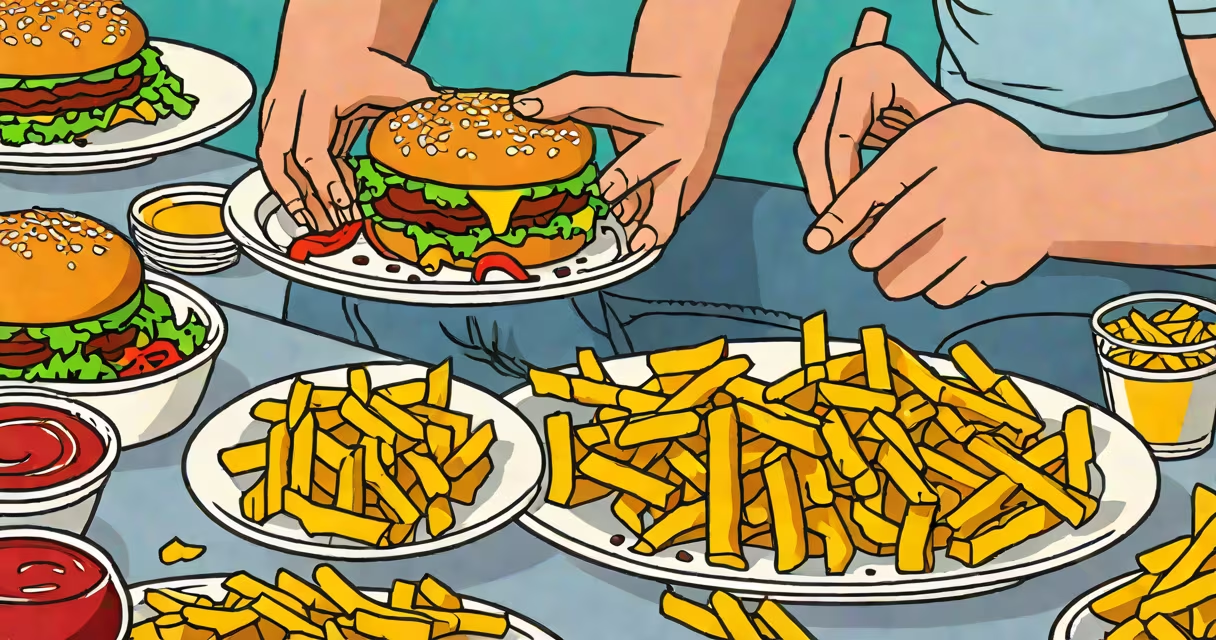
Stomach hurts after eating greasy food occurs when high-fat meals overwhelm the digestive system, slowing gastric emptying and triggering inflammation in the gut lining. This leads to bloating, cramping, nausea, and discomfort within 30 minutes to two hours after consumption.
Fatty foods require more bile to break down. The liver produces bile in response to fat intake, but excess fat can cause the gallbladder to contract too forcefully, leading to spasms and pain. The National Institute of Diabetes and Digestive and Kidney Diseases (NIDDK) confirms that high-fat meals delay gastric emptying by up to 60%, increasing pressure in the stomach and raising the risk of acid reflux and irritation.
Common triggers include fried chicken, cheeseburgers, pizza, and deep-fried snacks. Symptoms typically resolve within four to six hours but may persist longer in people with underlying conditions such as gallstones, irritable bowel syndrome (IBS), or pancreatitis. A 2021 study in Gastroenterology found that participants who consumed meals with over 30% fat calories reported twice the incidence of postprandial abdominal pain compared to low-fat meals.
The digestive process begins in the mouth, but fat digestion primarily happens in the small intestine. When fatty food enters the duodenum, the hormone cholecystokinin (CCK) signals the gallbladder to release bile. Bile emulsifies fats into smaller droplets, enabling enzymes like lipase to break them down. However, excessive fat overwhelms this system.
When too much fat floods the small intestine, the body releases more CCK than normal. This causes the gallbladder to contract intensely, sometimes leading to biliary colic-a sharp, cramping pain in the upper right abdomen. The same hormone also slows down gastrointestinal motility, meaning food sits longer in the stomach. This delays nutrient absorption and increases the chance of acid buildup and reflux.
A 2019 clinical trial published in Alimentary Pharmacology & Therapeutics showed that subjects fed a 50g fat meal had a 40% slower gastric emptying rate than those given a 10g fat meal. The researchers linked this delay directly to increased CCK levels and subsequent discomfort. People with a history of gallbladder issues are especially vulnerable, as their organs may not respond efficiently to hormonal signals.
Not all greasy meals produce the same reaction. The severity depends on fat composition, portion size, and individual sensitivity. Saturated fats (found in animal products and processed snacks) are harder to digest than unsaturated fats (like olive oil or avocado).
| Type of Greasy Food | Primary Fat Type | Typical Onset Time | Common Symptoms |
|---|---|---|---|
| Fried chicken (skin-on) | Saturated | 30-60 min | Bloating, nausea, mild cramps |
| Pizza (cheese-heavy) | Saturated | 45-90 min | Abdominal pressure, heartburn |
| Deep-fried fish tacos | Mixed (saturated + trans) | 60-120 min | Sharp cramps, diarrhea |
| French fries (salted) | Trans (from frying oil) | 60-180 min | Bloating, fatigue, dull ache |
Trans fats, often found in reused frying oils, are particularly problematic. They resist enzymatic breakdown and can irritate the intestinal lining. A 2020 review in Journal of Clinical Gastroenterology noted that trans fat intake correlates with higher rates of postprandial dyspepsia, even in individuals without diagnosed digestive disorders.
Stomach hurts after eating greasy food is often mistaken for food poisoning or lactose intolerance. However, food poisoning typically causes sudden onset of vomiting, diarrhea, and fever within 2-6 hours. Lactose intolerance results in gas, bloating, and loose stools after dairy consumption-not specifically fatty foods.
Another frequent mix-up is confusing this pain with gastritis or peptic ulcers. While both involve upper abdominal pain, ulcers are caused by H. pylori infection or NSAID use and often worsen on an empty stomach. Greasy food-induced pain appears only after eating and resolves as the stomach empties.
One non-obvious distinction: greasy food pain rarely involves fever or blood in stool. If either occurs, seek medical evaluation. Persistent pain after greasy meals may indicate gallstones. The American College of Gastroenterology reports that 80% of people with symptomatic gallstones experience post-meal pain after fatty meals, especially dinner.
In 2022, I ate a large order of buffalo wings and onion rings at a sports bar. Within 45 minutes, I felt tightness in my upper abdomen and a dull ache radiating to my back. By the time I left, I was nauseated and had difficulty lying flat. The pain lasted about five hours and subsided only after walking slowly and drinking ginger tea.
I later learned that the wings were fried in reused oil containing trans fats. My body reacted to the combination of saturated fat and oxidized oils, which inflame the gut lining. This experience confirmed what research shows: not all fats affect digestion equally. Some fats trigger stronger inflammatory responses than others.
Reducing greasy food intake is the most effective prevention. Limit meals with more than 20g of fat per serving. Opt for grilled, baked, or steamed options instead. Eating slowly and chewing thoroughly improves fat breakdown and reduces pressure on the digestive tract.
For immediate relief, try ginger tea, peppermint oil capsules, or a warm compress on the abdomen. Avoid lying down for at least two hours after eating. A 2023 study in European Journal of Gastroenterology & Hepatology found that consuming 1 gram of ginger extract reduced post-meal bloating by 37% in participants with functional dyspepsia.
If stomach hurts after eating greasy food becomes frequent, consult a gastroenterologist. Tests like ultrasound or HIDA scan can detect gallbladder dysfunction. Chronic pain may signal early-stage pancreatitis or bile duct obstruction.