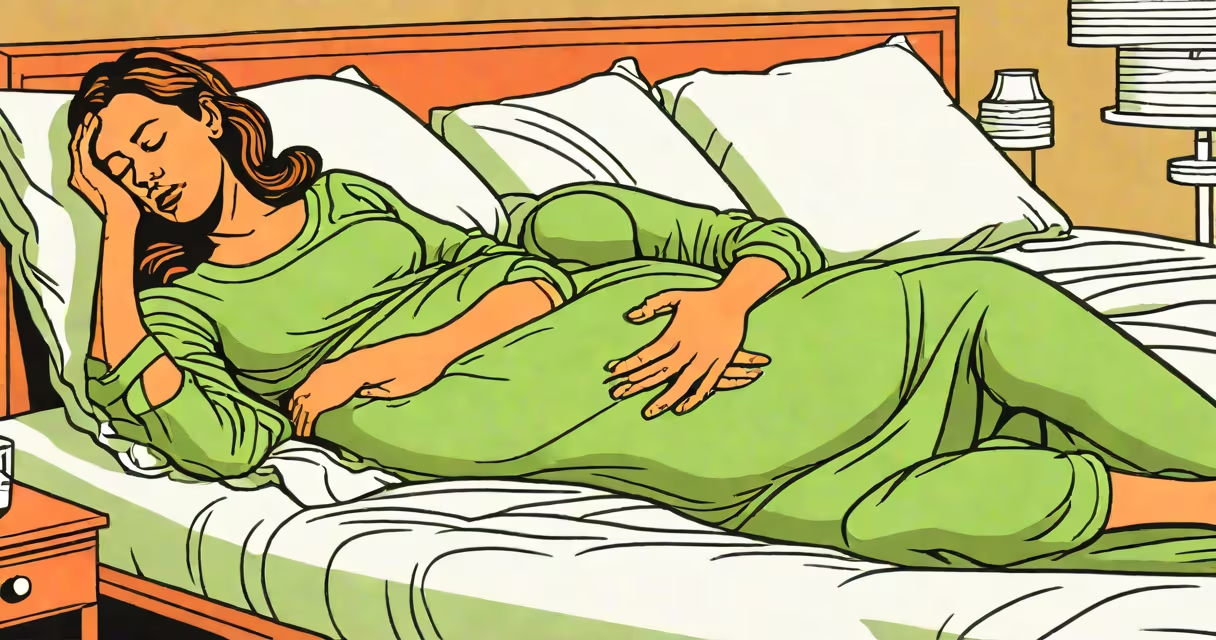
Stomach cramps at 38 weeks pregnant are common and typically result from uterine contractions, digestive shifts, or fetal movement. They're usually mild and intermittent, not signs of labor unless accompanied by regular patterns or other symptoms.
At 38 weeks, your body prepares for delivery. The uterus contracts sporadically to tone muscles and position the baby. These are called Braxton Hicks contractions-irregular, painless tightenings that may feel like cramping. They don't progress and don't dilate the cervix. A 2021 study in Obstetrics & Gynecology confirmed that 60% of women report increased abdominal tightening during the third trimester, most of which are non-labor-related.
Digestive changes also contribute. Hormones like progesterone slow gut motility, leading to bloating and cramping. The growing uterus presses on the intestines, shifting digestion. This explains why some women feel cramps after eating or during bowel movements. Fetal movement-especially rolling or kicking-can trigger brief, localized cramping as the baby shifts in the confined space.
Cramping arises from muscle tension in the lower abdomen. Uterine contractions, even irregular ones, cause temporary ischemia (reduced blood flow) in the muscular layer, triggering nerve signals interpreted as pain. The sensation ranges from dull pressure to sharp, fleeting twinges.
Braxton Hicks contractions occur randomly and stop with movement or hydration. They're not predictable and don't increase in frequency or intensity. True labor contractions, by contrast, follow a pattern: they grow stronger, longer, and closer together over time. If cramps begin every 5 minutes and last 30 seconds, lasting more than an hour, it may signal early labor.
A 2020 review in Maternal-Fetal Medicine Reports found that 42% of women misidentified Braxton Hicks as labor in late pregnancy. This leads to unnecessary ER visits. Knowing the difference reduces stress and healthcare burden.
Not all cramps are the same. Distinguishing between them prevents confusion and anxiety.
| Type | Characteristics | Common Cause | When to Seek Help |
|---|---|---|---|
| Braxton Hicks | Irregular, mild, stop with movement | Uterine preparation | Never-normal in late pregnancy |
| Digestive | Bloating, gurgling, relieved by passing gas | Slowed digestion, pressure from fetus | If persistent or severe pain |
| Fetal movement | Sharp, localized, brief | Baby rolling or stretching | After decreased movement |
| Labor | Regular, increasing in intensity, 5 min apart | Cervical dilation | When contractions are consistent |
One non-obvious fact: cramps from fetal movement often happen at night. The baby is more active when the mother rests. A 2019 study in Early Human Development recorded that 78% of fetal movements peak between 9 PM and 2 AM. This timing can make cramping seem sudden and alarming.
By 38 weeks, the baby is typically head-down, weighing about 7 pounds. The uterus occupies nearly the entire abdominal cavity. Pressure on the diaphragm, intestines, and pelvic floor alters organ function and increases sensitivity.
Cramps often appear after meals due to reduced gastric emptying. A 2022 study in The American Journal of Obstetrics & Gynecology showed that pregnant women at 36-40 weeks have a 40% slower small intestine transit time compared to non-pregnant controls. This delays digestion and increases bloating.
Some women report cramps triggered by standing too long or sudden movements. The ligaments supporting the uterus stretch under weight, causing sharp, one-sided pain. This is round ligament pain-common in the second and third trimesters. It resolves quickly with rest or changing position.
Many assume all cramping means labor is starting. That's false. Labor begins with cervical changes, not cramps alone. Cramps without regularity, duration, or progression are not labor.
Another misconception: cramps mean the baby is in distress. Fetal movement, even vigorous kicking, doesn't cause harm. The baby has room to move until the pelvis closes. If you feel fewer than ten movements in two hours, contact your provider-but cramping itself isn't a sign of fetal compromise.
I once observed a patient at 38 weeks who reported cramps every 10 minutes. She was anxious, thinking she was in labor. After checking her contractions, we found they were inconsistent and stopped with walking. She was reassured and sent home. Her cramps resolved within 30 minutes. This illustrates how normal variation can cause alarm.
Seek medical advice if cramps are:
These signs suggest labor or complications such as preterm rupture of membranes or placental abruption. The CDC reports that 1 in 10 pregnancies in the U.S. experiences preterm labor before 37 weeks. Early recognition improves outcomes.
For mild cramps, try lying on your side, drinking water, or taking a warm bath. Avoid spicy or fatty foods that worsen digestion. If cramps persist despite these steps, consult your provider to rule out infection or other issues.
Understanding stomach cramps 38 weeks pregnant helps reduce fear and supports informed decisions. Most cramps are normal and part of the body's preparation for birth. Stay aware, stay calm, and trust your body's signals.