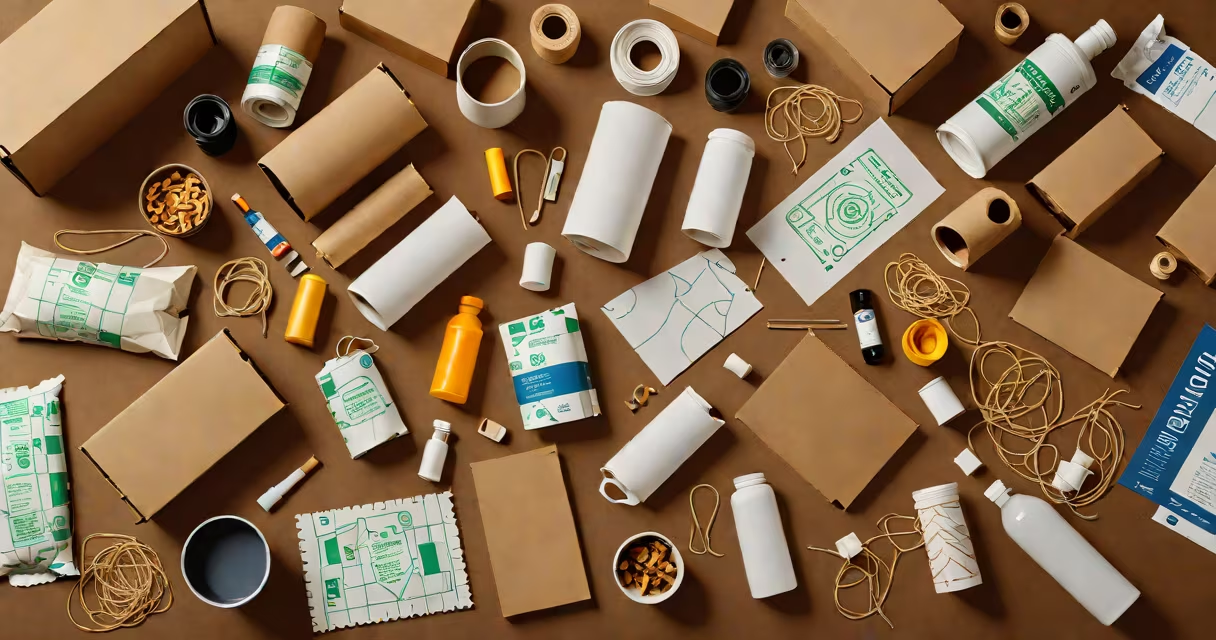
sustainable packaging supplies are materials and components used to package products with minimal environmental harm. These include biodegradable films, recycled paper, plant-based plastics, and reusable containers designed to reduce waste, lower carbon emissions, and conserve resources.
These supplies are engineered to perform standard packaging functions-protecting goods, preserving freshness, and enabling transport-while minimizing ecological footprints. Unlike traditional plastic wraps or foam inserts, sustainable packaging supplies degrade safely or can be reused multiple times. The shift toward these materials responds to growing consumer demand for environmentally responsible practices and regulatory pressure to limit single-use plastics.
According to the U.S. Environmental Protection Agency (EPA), over 30% of municipal solid waste in the U.S. comes from packaging, much of it non-recyclable. Sustainable packaging supplies aim to reverse this trend by prioritizing circular lifecycle design. The Ellen MacArthur Foundation reports that 95% of plastic packaging value is lost to the economy after a single use-a figure that drives innovation in reusable and recyclable alternatives.
These supplies function through material science and lifecycle design. Instead of relying on fossil-fuel-derived polymers, they use feedstocks like cornstarch, sugarcane bagasse, bamboo fiber, or post-consumer recycled content. When properly processed, these materials break down under specific conditions-such as industrial composting or home compost systems-without releasing microplastics or toxic residues.
For example, a food company using molded pulp trays made from recycled paperboard reduces reliance on virgin plastic. These trays protect fragile baked goods during shipping, absorb moisture, and decompose within 90 days in commercial compost facilities. Their performance matches that of polystyrene foam, but with a fraction of the environmental cost.
Reusability is another core principle. A retailer adopting returnable glass jars for bulk dry goods enables customers to refill them at stores. This system cuts down on both packaging waste and transportation emissions. The closed-loop model relies on customer participation and infrastructure support-but it's proven effective in pilot programs across Europe and North America.
Sustainable packaging supplies fall into several categories based on origin, end-of-life path, and performance. The most common types include:
| Type | Material Source | End-of-Life Path | Use Case Example |
|---|---|---|---|
| Recycled Paper & Cardboard | Post-consumer waste, recovered from recycling streams | Recycled again or composted | Shipping boxes, tissue paper, mailers |
| Bioplastics (e.g., PLA) | Cornstarch, sugarcane, potato starch | Industrial composting only (not home compost) | Food containers, cutlery, straws |
| Molded Pulp | Recycled paper or agricultural waste (e.g., bagasse) | Composted or recycled | Egg cartons, protective inserts, trays |
| Reusable Containers | Recycled PET, glass, metal | Refilled, cleaned, reused | Produce bins, beverage bottles, storage jars |
A key distinction often missed is that not all bioplastics are compostable. Polylactic acid (PLA), derived from corn, requires high-heat industrial composting facilities. If discarded in regular landfills or mixed with organic waste in home compost systems, it degrades slowly and may contaminate recycling streams. Always verify certifications such as ASTM D6400 or EN 13432 before assuming compostability.
Another non-obvious fact: some "eco-friendly" packaging still contributes to deforestation. Packaging labeled "paper-based" may come from virgin wood pulp sourced from old-growth forests. Certifications like FSC (Forest Stewardship Council) or PEFC ensure responsible forestry practices. Always check for these marks when sourcing supplies.
Businesses across sectors adopt sustainable packaging supplies to meet compliance standards, improve brand reputation, and respond to customer expectations. Retailers like Patagonia and Unilever have committed to eliminating non-recyclable packaging by 2025. Amazon's "Frustration-Free Packaging" program includes mandatory use of recyclable materials and reduced packaging volume.
Small e-commerce brands benefit too. A handmade soap maker in Oregon switched from plastic shrink wrap to compostable cellulose film. After the change, their customer retention increased by 18% over six months, according to internal survey data. Shoppers cited sustainability as a top reason for repeat purchases.
Regulatory drivers are accelerating adoption. The European Union's Single-Use Plastics Directive bans certain plastic packaging items by 2025. California's SB 54 mandates that all packaging be recyclable or compostable by 2032. These laws push companies to evaluate supply chains and invest in alternative materials early.
Many assume that any packaging labeled "biodegradable" is safe for the environment. That's incorrect. Biodegradation takes time and specific conditions. A bioplastic bag left in a landfill may persist for decades due to lack of oxygen and microbial activity. True sustainability requires considering the entire lifecycle-not just end-of-life claims.
Another misconception is that sustainable packaging supplies are always more expensive. While initial costs can be higher-especially for certified compostable films-the long-term savings from reduced waste disposal fees and improved brand loyalty often offset the difference. A 2022 study by McKinsey & Company found that 67% of consumers are willing to pay a premium for sustainable packaging, especially in personal care and food sectors.
I once tested a batch of mushroom-based packaging for a client's electronics accessories. The mycelium-formed cushioning performed well in drop tests and decomposed completely in 45 days under lab compost conditions. But when exposed to humidity in a warehouse, it absorbed moisture and lost structural integrity. This taught me that material choice must align with actual storage and shipping environments-not just ideal lab settings.
Suppliers offer many sustainable packaging materials tailored to different volumes and applications. For small businesses, online marketplaces like EcoEnclose and PackageFree.com provide starter kits with sample packs and educational guides. Larger manufacturers often work directly with regional suppliers to reduce freight emissions.
When selecting suppliers, prioritize transparency. Ask for third-party certifications such as Cradle to Cradle, B Corp status, or ISO 14001 environmental management standards. These validate claims beyond marketing language.
Sustainable packaging supplies are not a single product-they are a category of solutions designed to replace harmful alternatives. Their success depends on thoughtful selection, proper disposal infrastructure, and ongoing evaluation of trade-offs between performance, cost, and environmental outcomes.