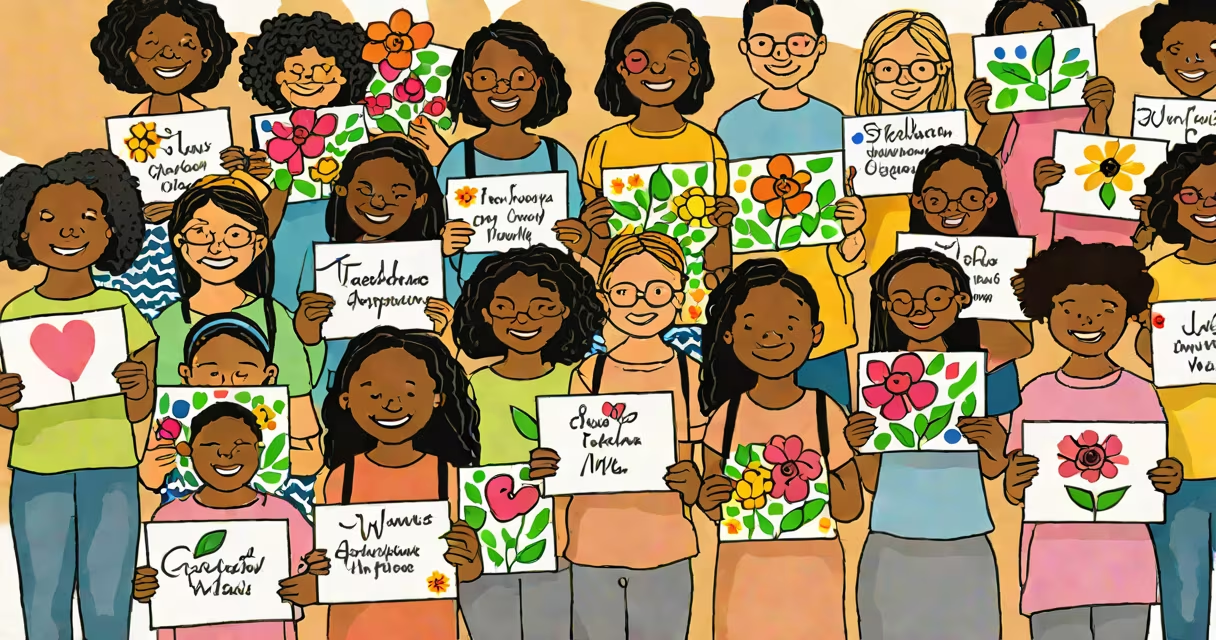
Teacher appreciation week ideas from students are thoughtful, student-led gestures that recognize educators' impact through personal expressions like handwritten notes, creative projects, and class-wide celebrations. These actions go beyond generic gifts and reflect authentic gratitude shaped by students' voices.
Students create appreciation moments by combining creativity, teamwork, and sincerity. A single note may carry more weight than a store-bought gift because it reflects time, effort, and emotional connection. When students design posters, write poems, or organize skits, they engage deeply with the concept of gratitude-not as a formality, but as a shared experience.
Research from the National Education Association (NEA) shows that recognition improves teacher retention and job satisfaction. In a 2022 survey, 76% of teachers reported feeling more valued when students expressed appreciation directly. The most effective gestures are those that come from students themselves-not assigned by adults, but inspired by genuine respect.
These ideas function by shifting focus from institutional programs to student agency. Instead of waiting for a principal-led event, students take initiative. They identify what makes their teacher special-whether it's patience, humor, or dedication-and craft a gesture around that trait.
For example, a high school biology class created a "Science of Gratitude" display using lab equipment and student-written reflections. Each experiment model included a quote from a peer about how the teacher helped them understand difficult concepts. The exhibit was displayed in the hallway during teacher appreciation week and drew attention from staff and parents alike.
Student-led initiatives succeed because they're tailored. A teacher who loves gardening might receive a pot of herbs grown by students in a science project. One middle school student brought in a small succulent with a label: "Grows like you-steady, patient, and always helping me thrive." This level of personalization increases emotional resonance far more than mass-produced items.
Not all teacher appreciation week ideas from students are the same. Some are individual acts; others involve collaboration. The most impactful ones often combine both.
| Type | Description | Example |
|---|---|---|
| Personalized notes | Handwritten letters expressing specific reasons for thanks. | A 6th grader wrote: "You stayed after class to explain fractions. Now I don't panic on tests." |
| Classroom art projects | Group-created displays using drawings, collages, or sculptures. | Elementary students made paper plate masks of their teacher with positive traits written on them. |
| Performance pieces | Short skits, songs, or poetry readings performed live. | A high school chorus sang a rewritten version of "Thank You" by Dido, replacing lyrics with student memories. |
| Interactive experiences | Activities where teachers participate, such as trivia or games. | Students hosted a "Guess the Teacher" game using old photos and fun facts. |
One key distinction often missed: student appreciation isn't about scale. A single folded paper crane with a message written inside can have greater meaning than a large banner. The value lies in intention, not volume.
Many assume teacher appreciation week ideas from students must be elaborate or require funding. This is false. The most useful gestures cost little or nothing. A student who spends 15 minutes writing a letter to their math teacher demonstrates more care than a $50 gift card.
Another misconception is that only older students can contribute meaningfully. In reality, even young children can express deep appreciation. A kindergarten class once presented a "Teacher Tree" made of construction paper leaves, each bearing a child's drawing of their teacher and a word like "kind," "funny," or "smart." The display was hung in the school office and remained throughout the year.
Some schools treat appreciation as a one-day event. But lasting impact comes from sustained recognition. A 7th-grade class in Oregon held a "Gratitude Journal" project where students wrote one appreciative entry per week. By the end of the semester, they had compiled a 40-page book titled *Why We Love Ms. Lin*. She kept it on her desk for years.
In 2023, a group of 11th graders at Lincoln High School in California planned a surprise morning assembly. They didn't ask permission-they simply organized it. Over three weeks, they collected messages from every student in their grade. They turned the messages into a 12-minute video montage with music and transitions.
On the designated day, they played the video during homeroom. Teachers were seated in the front row. When the last clip ended, the entire class stood and clapped. One teacher later said, "I've taught for 18 years. That moment meant more than any award."
This example proves that teacher appreciation week ideas from students don't need approval to be valid. They gain power from authenticity and collective effort-not bureaucracy.
Do not rely on templates or pre-made materials. A generic "thank you" card from a store lacks the emotional weight of a hand-drawn heart with a child's name on it. Avoid asking students to copy slogans from websites. Real appreciation comes from reflection, not repetition.
Also avoid making it a competition. When classrooms race to outdo each other in gift size or complexity, the focus shifts. The goal is not to impress administrators-it's to honor the teacher.
I once observed a 5th-grade class spend two days creating a giant mural of their teacher standing under a rainbow. They used crayons, glitter, and stickers. The teacher cried when she saw it. No adult had told them to do it. They did it because they wanted to.
The best ideas emerge from observation and empathy. Not every student knows how to start. But when they notice something-a teacher's quiet smile, a late-night email, a calm voice during stress-they can turn that moment into a lasting memory.
Teacher appreciation week ideas from students are not about grandeur. They are about presence. A single sentence, a handmade flower, a recorded voice-all carry the weight of recognition. And in education, that weight matters more than any trophy.