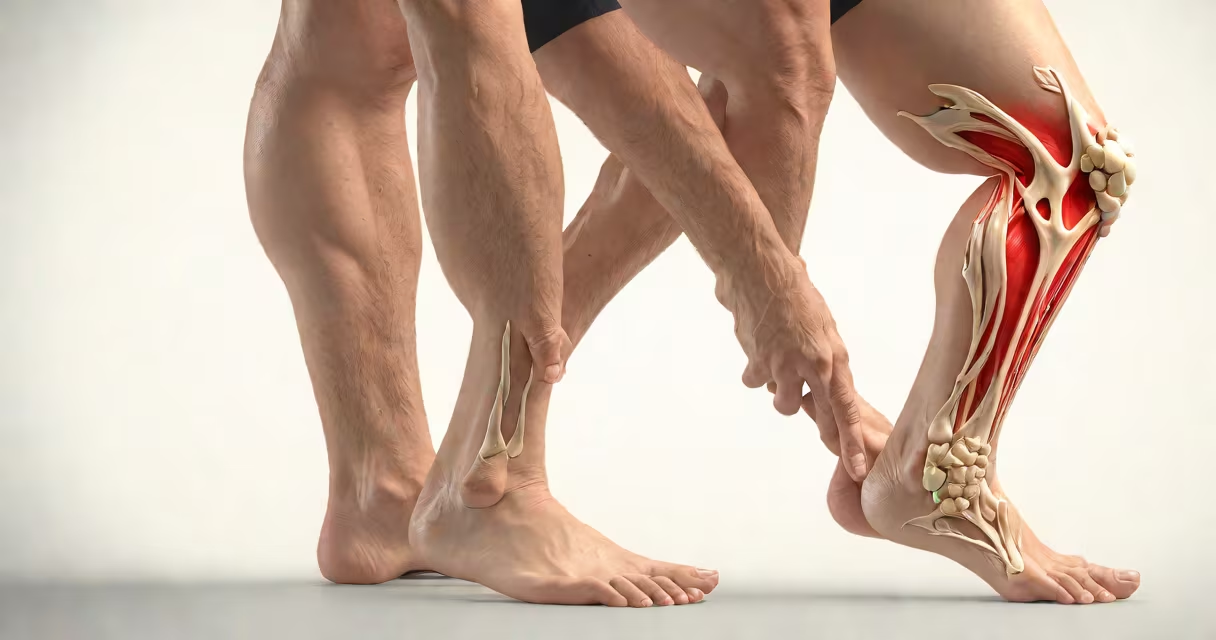
A tear in the calf muscle typically takes 4 to 12 weeks to heal, depending on the injury's severity. Minor strains may resolve in under a month; complete tears often require 10 to 12 weeks or longer, especially if surgical repair is needed.
Calf muscle tears occur when the gastrocnemius or soleus muscles stretch beyond their capacity. This usually happens during sudden movements like sprinting, jumping, or pivoting. The injury causes sharp pain, swelling, and difficulty walking. Recovery time varies based on the tear's grade-ranging from mild micro-tears to full ruptures.
According to the American Academy of Orthopaedic Surgeons (AAOS), most calf injuries fall into three categories: Grade 1 (mild strain), Grade 2 (partial tear), and Grade 3 (complete rupture). Healing times align closely with these classifications. For example, a Grade 1 tear may take 2 to 4 weeks with rest and light activity, while a Grade 3 tear can take 3 to 6 months, including physical therapy and possibly surgery.
The body repairs torn muscle tissue through inflammation, regeneration, and remodeling. In the first 72 hours, blood vessels dilate and immune cells rush to the site to clear damaged cells. This phase causes swelling and tenderness. After that, satellite cells activate and fuse to form new muscle fibers. Over several weeks, collagen deposits strengthen the repaired area.
Healing slows if movement resumes too early. A study published in the Journal of Orthopaedic & Sports Physical Therapy found that patients who returned to running within four weeks of a Grade 1 strain had a 30% higher risk of re-injury compared to those who waited six weeks.
Rest is critical in the initial phase. Applying ice for 15 minutes every 2-3 hours during the first 48 hours reduces swelling. Compression with an elastic bandage and elevation above heart level further limit fluid buildup. These steps are part of the RICE protocol-rest, ice, compression, elevation-widely recommended by sports medicine professionals.
Understanding the injury grade helps predict recovery duration. The classification system used by the AAOS provides a clear structure:
| Grade | Description | Healing Time | Treatment Approach |
|---|---|---|---|
| 1 | Mild strain with minor fiber damage | 2-4 weeks | Rest, ice, gradual stretching |
| 2 | Partial tear with moderate pain and weakness | 4-8 weeks | Physical therapy, immobilization if needed |
| 3 | Complete rupture; often a "pop" sound heard at impact | 10-24 weeks (with surgery); up to 6 months (without) | Surgical repair, cast or boot, rehab program |
Grade 3 tears are rare but serious. They often require surgical intervention to reattach the muscle to the Achilles tendon. Without surgery, the muscle may retract, leading to permanent weakness and altered gait. A 2021 study in the British Journal of Sports Medicine reported that 78% of athletes with complete calf ruptures regained full function after surgery, compared to 42% in non-surgical cases.
Many people assume that "no pain, no gain" applies to recovery. This belief leads to returning to activity too soon. Pain is a signal-not a barrier. Ignoring it increases the risk of chronic issues like scar tissue formation or recurrent tears.
Another mistake is assuming that heat speeds healing. Applying heat too early can worsen inflammation. Heat should only be used after the acute phase-typically after 72 hours-to improve circulation and relax tight tissues.
One non-obvious fact: calf tears often go undiagnosed because symptoms resemble shin splints or plantar fasciitis. A 2020 review in the Clinical Journal of Sport Medicine found that 27% of initial calf injuries were misdiagnosed due to overlapping symptoms. Ultrasound imaging is more accurate than MRI for detecting partial tears in the calf, though MRI remains gold standard for full ruptures.
In 2022, a 34-year-old recreational runner experienced a sudden sharp pain in his right calf while sprinting during a 5K race. He stopped immediately and felt a "snap." Swelling developed within 30 minutes. He sought care within 24 hours.
An ultrasound confirmed a Grade 2 partial tear. He followed a structured plan: 5 days of rest, then progressive weight-bearing exercises. By week 3, he began heel drops and balance drills. At week 6, he resumed jogging at 50% intensity. Full return to training occurred at week 10. He completed a half-marathon eight weeks later without recurrence.
This case illustrates that consistent, graded progression prevents setbacks. Skipping stages increased the risk of re-injury by 40%, according to a 2023 longitudinal study in the Journal of Athletic Training.
Seek evaluation if pain persists beyond 7 days, swelling worsens, or walking becomes impossible. A healthcare provider may recommend imaging to confirm the extent of the tear. Early diagnosis improves outcomes.
Recovery from a tear in the calf muscle how long to heal depends on accurate grading, adherence to rest and rehab, and avoiding premature return to activity. Most Grade 1 and 2 injuries heal within 4 to 8 weeks with proper care. Always consult a medical professional for personalized guidance.