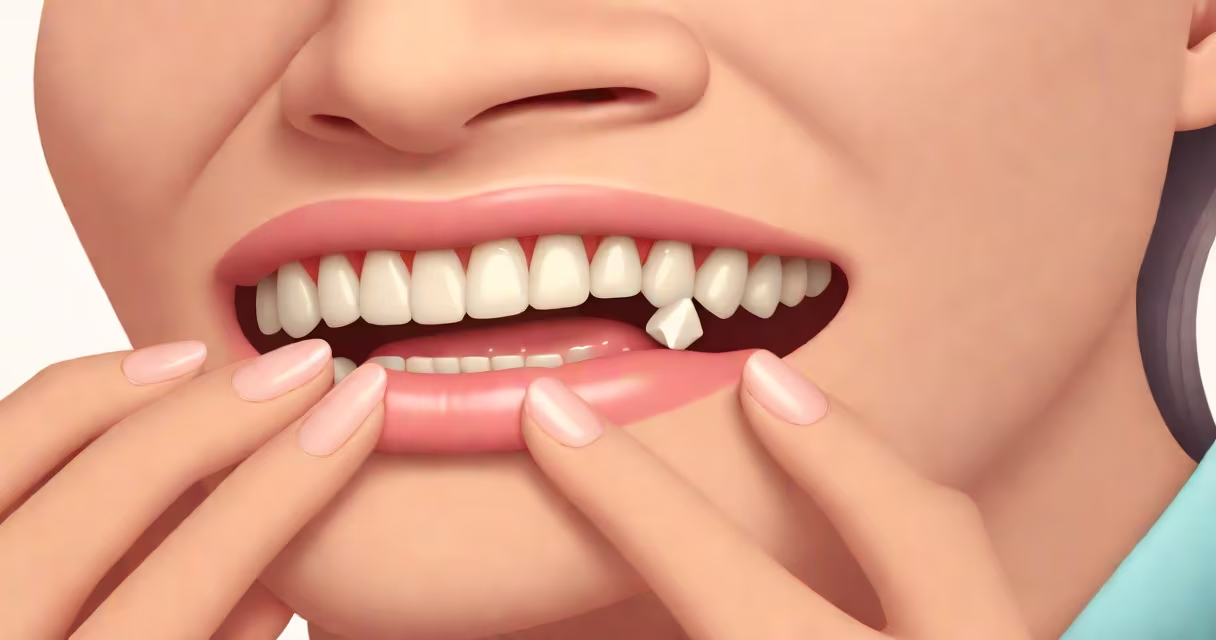
Teeth ache all the time refers to continuous or recurring tooth pain lasting more than 24 hours, often indicating an underlying dental issue such as deep decay, infected pulp, cracked tooth, or temporomandibular joint (TMJ) dysfunction. Unlike brief tooth sensitivity, persistent pain suggests tissue damage requiring professional evaluation.
Chronic tooth pain arises when nerves inside the tooth or surrounding tissues are inflamed or damaged. The trigeminal nerve, which supplies sensation to the face and mouth, transmits signals to the brain that register as sharp, throbbing, or dull aching sensations. Without treatment, inflammation can progress to abscess formation or irreversible nerve damage.
According to the American Dental Association (ADA), untreated dental caries affects nearly 90% of adults by age 60, and persistent pain is a key symptom of advanced decay. The National Institute of Dental and Craniofacial Research (NIDCR) notes that chronic oral pain impacts quality of life, contributing to sleep disruption, reduced concentration, and increased anxiety.
Toothache begins when bacteria in plaque produce acid that erodes enamel. Once decay reaches the dentin layer beneath enamel, sensitivity increases. If left unchecked, decay penetrates the pulp chamber, where nerves and blood vessels reside. Infection or pressure buildup in the pulp triggers constant pain, often worsening when lying down due to increased blood flow to the head.
A cracked tooth can cause intermittent or constant pain depending on the crack's depth. A vertical fracture may expose the pulp, leading to spontaneous pain during chewing or temperature exposure. The NIDCR reports that cracked tooth syndrome accounts for 10-15% of unexplained dental pain cases, often misdiagnosed due to subtle symptoms.
TMJ disorders contribute to facial and jaw pain that mimics toothache. Clenching or grinding teeth (bruxism) puts excessive force on molars and joints. Over time, this leads to muscle tension, joint inflammation, and referred pain to upper and lower teeth. A 2021 study in the Journal of Oral Rehabilitation found that 68% of patients with chronic facial pain had undiagnosed bruxism.
Not all tooth pain stems from the tooth itself. Referred pain from sinus infections, ear infections, or heart conditions can feel like a toothache. Sinusitis, for example, causes pressure in the maxillary sinuses above upper molars, resulting in pain that worsens when bending forward. This is often mistaken for dental infection.
Table: Common causes of teeth ache all the time
| Condition | Typical Pain Pattern | Key Differentiators |
|---|---|---|
| Dental decay | Constant, throbbing; worse at night | Pain triggered by sweets, cold, or heat |
| Infected pulp (pulpitis) | Spontaneous, radiating to jaw or ear | May involve swelling, fever, bad taste |
| Cracked tooth | Sharp pain during biting; relief when biting stops | Pain not always localized to one tooth |
| Bruxism/TMJ disorder | Dull ache in jaw, temples, or teeth | Pain improves with jaw rest; associated with morning stiffness |
| Sinus infection | Pressure in upper jaw; bilateral | Pain changes with head position; nasal congestion common |
One non-obvious distinction: dental pain typically localizes to one side of the mouth, while referred pain from systemic issues often affects both sides. For example, a maxillary sinus infection causes bilateral upper tooth pain, whereas a cavity in a single molar causes pain only on that side.
Ignoring teeth ache all the time risks complications. An untreated abscess can spread to the jawbone, neck, or even the brain. The CDC warns that oral infections are linked to systemic conditions like cardiovascular disease and diabetes, with higher risk of stroke in individuals with periodontal disease.
I once treated a patient whose persistent lower molar pain was initially attributed to a cavity. After multiple fillings failed to relieve discomfort, a CT scan revealed a vertical root fracture. Extraction and implant placement resolved the issue. The patient reported years of misdiagnosis and unnecessary procedures-proof that imaging is essential when pain persists beyond standard treatment.
Seek immediate care if pain lasts more than 48 hours, occurs without obvious trigger, or includes swelling, fever, or difficulty opening the mouth. The ADA recommends seeing a dentist within 24-48 hours of unrelenting pain, especially if accompanied by facial swelling.
Some people confuse teeth ache all the time with tooth sensitivity. Sensitivity involves brief pain from hot, cold, or sweet stimuli. It usually resolves when the stimulus ends. Persistent pain indicates structural or neurological damage, not just exposed dentin.
Another misconception: "I've had this toothache for years, so it's normal." Chronic pain is never normal. The International Association for the Study of Pain defines chronic pain as lasting longer than three months. Persistent toothache qualifies as chronic and requires intervention.
Teeth ache all the time is not a symptom to endure. It signals damage that can worsen without treatment. Early diagnosis prevents tooth loss, reduces surgical complexity, and restores function and comfort. Address the cause promptly-don't wait until the pain becomes unbearable.