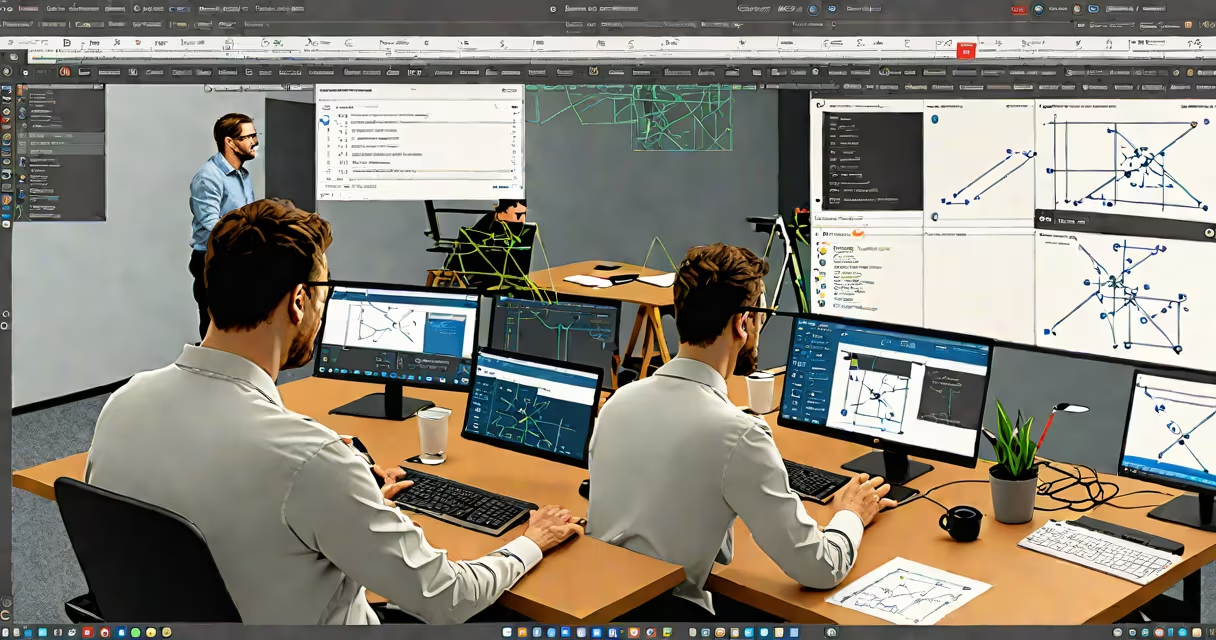
Technical classes online are structured learning programs in fields like computer science, IT, engineering, and data analysis delivered remotely via video conferencing, recorded lectures, or interactive platforms. These courses teach practical skills such as coding, network configuration, and software testing using real-world tools and simulations.
They differ from general online courses by focusing on measurable outcomes-like passing a certification exam or building a deployable application. A typical technical class includes hands-on labs, graded assignments, and access to industry-standard software. For example, a course on Python programming may require students to write scripts that process real datasets and submit them through a cloud-based IDE.
These classes are designed for working professionals, career changers, and students seeking job-ready skills. Completion often leads to credentials recognized by employers. According to the U.S. Bureau of Labor Statistics, demand for IT specialists grew 15% between 2021 and 2031-faster than average-driving interest in accessible training paths like technical classes online.
Most technical classes online follow a hybrid model combining asynchronous learning with scheduled live sessions. Students watch pre-recorded lectures, complete exercises, and participate in weekly live Q&A or project reviews. Platforms like Zoom, Google Meet, or specialized LMS systems (e.g., Canvas, Moodle) host the interaction.
Hands-on components are critical. A course on Cisco networking, for instance, uses virtual lab environments like Packet Tracer or GNS3 to simulate router configurations. Students configure VLANs, set up routing protocols, and troubleshoot connectivity issues-all within a secure sandbox. This mimics real infrastructure without requiring physical hardware.
Assessments are performance-based. Instead of multiple-choice exams, learners submit code, network diagrams, or system reports. Instructors or automated grading tools evaluate correctness, efficiency, and adherence to best practices. A web development class might require students to build a responsive website using HTML, CSS, and JavaScript, then validate it against accessibility standards.
Technical classes online fall into several categories based on subject, delivery method, and credential outcome. The table below outlines common types:
| Type | Focus Area | Delivery Format | Credential Outcome |
|---|---|---|---|
| Programming bootcamps | Full-stack development, Python, JavaScript | Live cohort, 6-12 weeks | Portfolio, job placement support |
| IT certification prep | CompTIA A+, Network+, Security+ | Self-paced, video + practice tests | Exam vouchers, official certification |
| Cloud computing | AWS, Azure, Google Cloud | Live labs, guided projects | Cloud architect pathways, badges |
| Cybersecurity fundamentals | Penetration testing, incident response | Virtual machines, red team scenarios | CEH, CISSP prep, hands-on labs |
Some programs offer credit toward college degrees. Others focus solely on skill acquisition. For example, a course in data analytics might teach SQL queries, Tableau visualization, and statistical modeling using public health datasets. Learners analyze trends in vaccination rates across U.S. states and present findings in a portfolio project.
Technical classes online are not the same as free tutorials on YouTube or basic MOOCs (Massive Open Online Courses). While YouTube videos may explain syntax, they rarely provide structured feedback or assessment. MOOCs often lack hands-on components or employer recognition.
A key distinction lies in accountability. Technical classes online typically require regular submissions, peer review, and instructor feedback. In contrast, many free resources allow learners to progress at their own pace without deadlines or evaluation. This difference impacts retention: a 2022 study by the National Center for Education Statistics found that completion rates for paid, structured technical programs were 3.4 times higher than for self-directed free content.
Another misconception is that all technical classes online are self-paced. Many reputable programs run on fixed schedules with cohort-based learning. This structure fosters collaboration and keeps learners accountable. During a recent session in a cybersecurity class, participants worked in teams to identify vulnerabilities in a simulated corporate network. One group missed a misconfigured firewall rule until another team flagged it during a peer review-highlighting the value of real-time collaboration.
Government agencies also use these classes. The U.S. Department of Defense's Cybersecurity Education and Training Assistance Program (CETAP) funds technical classes online for military personnel transitioning to civilian IT jobs. Since 2020, over 12,000 service members have completed courses in ethical hacking and digital forensics through this initiative.
Individuals use technical classes online to pivot careers. A former retail manager in Houston enrolled in a full-stack development program after losing her job during the pandemic. She completed the course in eight months, built a job-ready portfolio, and landed a junior developer role at a fintech startup. Her salary increased by 68% compared to her previous position.
Many assume that technical classes online lack rigor because they don't involve a physical classroom. However, top-tier programs enforce strict academic standards. The University of California, Berkeley's online certificate in Data Science requires students to pass a capstone project involving predictive modeling on real-world traffic data. Projects are reviewed by faculty and industry experts.
Another overlooked point: not all technical classes online are created equal. Some providers market "certification prep" courses that don't include actual exam access or updated content. The CompTIA certification exam changes annually. A course that hasn't been revised since 2020 may teach outdated material. Always verify that the provider offers current syllabi and official exam vouchers.
I once audited a "Python for Beginners" course advertised as "industry-ready." After two weeks, I discovered that the curriculum skipped core concepts like exception handling and file I/O. The final project required building a file parser-but no guidance was given on error detection. I dropped the course and switched to a program with a detailed syllabus and peer-reviewed assignments.
Begin by identifying your goal: do you want a job in IT, a certification, or personal growth? Then choose a platform with proven outcomes. Look for programs that list alumni job placements, provide access to labs, and offer mentorship. Check whether the course is taught by practicing professionals-not just academics.
Start small. Enroll in a short module-like a five-day introduction to Linux administration-to test the format. If you enjoy the structure and feedback, commit to a longer program. Consistency matters more than speed. A learner who completes one assignment per week consistently finishes faster than someone who binge-watches content and misses deadlines.
Technical classes online are not a shortcut. They are a structured path to measurable competence. With clear goals, proper selection, and consistent effort, they deliver real-world skills and career opportunities.