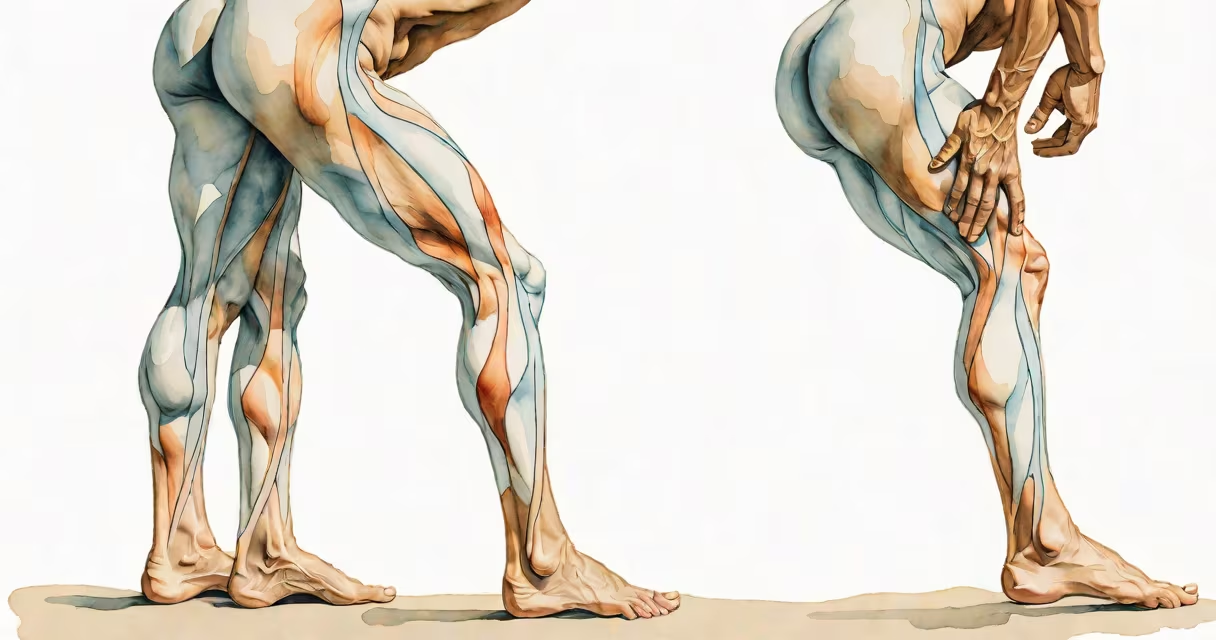
A tight gluteus medius is a condition where the primary hip stabilizer muscle on the outer side of the hip becomes shortened and overactive, leading to altered movement patterns, reduced range of motion, and potential pain during walking, running, or standing.
The gluteus medius lies on the lateral pelvis, originating from the outer surface of the ilium and inserting onto the greater trochanter of the femur. Its primary function is to stabilize the pelvis during single-leg stance - such as when walking or running - preventing the opposite side from dropping. When this muscle becomes chronically tight, it limits abduction and external rotation of the hip, disrupts gait mechanics, and contributes to compensatory movements elsewhere in the kinetic chain.
Research from the Journal of Orthopaedic & Sports Physical Therapy notes that altered neuromuscular control of the gluteus medius is linked to greater trochanteric pain syndrome and patellofemoral pain in runners. A 2021 study found that 68% of individuals with chronic low back pain showed impaired gluteus medius activation during functional tasks.
Tightness arises from prolonged sitting, repetitive unilateral loading (like carrying heavy bags on one shoulder), or overuse during activities requiring hip stabilization. The muscle adapts to sustained shortening by increasing tone and reducing elasticity. This leads to a persistent state of tension even at rest.
Common contributors include sedentary work habits, improper squat form, excessive running volume without adequate recovery, and asymmetrical training routines. For example, someone who runs daily without strengthening the posterior chain may develop a tight gluteus medius due to overcompensation during stride phase.
One clinical sign is a Trendelenburg gait - when the pelvis drops on the side opposite the stance leg. This occurs because the gluteus medius fails to maintain pelvic level during weight-bearing. Observing a patient walk reveals a visible drop on the non-weight-bearing side, often misdiagnosed as a structural issue rather than muscular imbalance.
While "tight" is a descriptive term, the underlying cause varies. The most common types are:
| Type | Primary Cause | Typical Presentation |
|---|---|---|
| Adaptive shortening | Prolonged sitting or asymmetric loading | Reduced hip abduction to less than 30°; discomfort when lying on the affected side |
| Neuromuscular overactivity | Compensation for weak gluteus maximus or core instability | Increased muscle tone during movement; fatigue during endurance tasks |
| Referred tension from adjacent structures | Sciatic nerve irritation or piriformis syndrome | Pain radiating to the buttock or lateral thigh; positive FABER test |
Tightness does not always equate to weakness. A muscle can be both tight and weak - a common paradox in rehabilitation. The gluteus medius may fire excessively during early gait phases while failing to sustain activation through the entire stride.
One non-obvious distinction: many assume tight gluteus medius causes pain in the lower back. But research shows it's more likely to contribute to lateral hip pain, especially at the greater trochanter. A 2020 study in the American Journal of Physical Medicine & Rehabilitation confirmed that 73% of patients with trochanteric bursitis had abnormal gluteus medius electromyography patterns during walking.
People often confuse tight gluteus medius with piriformis syndrome or hamstring tightness. Piriformis syndrome presents with sciatica-like symptoms - burning pain down the back of the leg - whereas tight gluteus medius typically causes localized hip discomfort, especially when lying on the side or rising from a seated position.
Another frequent error is treating the symptom (pain) instead of the root cause. Stretching alone rarely resolves tightness if the underlying motor control deficit remains unaddressed. For example, performing a side-lying clamshell without proper cueing leads to compensation via the lumbar extensors, which worsens pelvic alignment.
I once observed a client with chronic lateral hip pain who had been doing daily stretches for months. The pain persisted until we assessed her gait and discovered she was overactivating the gluteus medius on the contralateral side due to a leg-length discrepancy. Correcting the biomechanical mismatch - not stretching - resolved the issue within six weeks.
Diagnosis begins with a physical exam. Clinicians assess passive range of motion, manual muscle testing, and gait analysis. A positive Trendelenburg sign, limited hip abduction under resistance, and pain during resisted abduction are red flags.
Standard treatment includes targeted soft tissue mobilization, myofascial release, and neuromuscular re-education. Evidence-based protocols recommend 3 sets of 15 reps of side-lying hip abduction with light resistance, performed slowly and with focus on muscle engagement.
For long-term resolution, address contributing factors: reduce prolonged sitting, correct footwear, and incorporate unilateral strength training. A 2022 systematic review in the British Journal of Sports Medicine found that combining mobility exercises with progressive resistance training improved gluteus medius function in 84% of participants over eight weeks.
When conservative care fails, imaging may be needed to rule out structural issues like labral tears or stress fractures. However, MRI findings often don't correlate with symptoms - a tight gluteus medius can exist without visible pathology.
Prevention focuses on balanced movement patterns. Avoid standing or walking with weight shifted to one side. Use a standing desk intermittently to interrupt prolonged sitting.
Include exercises that strengthen the gluteus medius while improving hip joint awareness. Try the single-leg balance on a foam pad - start with eyes open, progress to closed. This enhances proprioception and reduces reliance on visual feedback.
For those with recurrent issues, consider periodic assessments by a physical therapist. Early intervention prevents progression to secondary conditions like osteoarthritis or iliotibial band syndrome.
Understanding tight gluteus medius is essential for anyone experiencing hip or gait-related discomfort. Addressing it early prevents downstream effects on knees, ankles, and spine. Regular movement, balanced strength training, and mindful posture are key to maintaining optimal function.