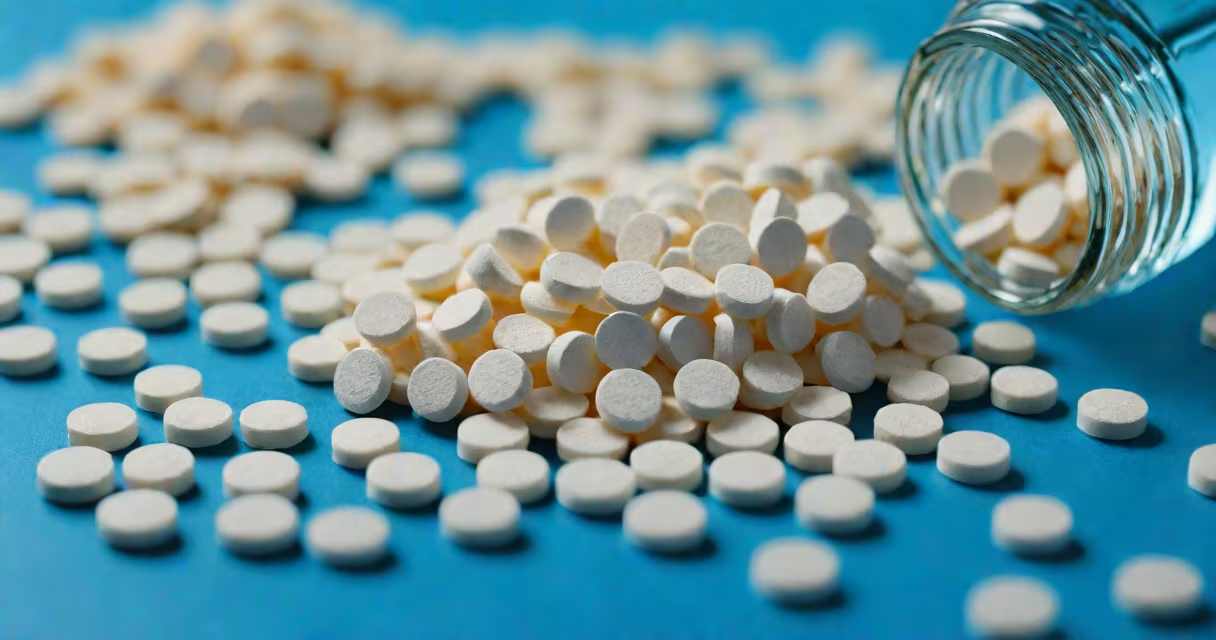
Tums after eating is a common over-the-counter remedy used to neutralize stomach acid and relieve symptoms of heartburn, indigestion, and acid reflux triggered by meals. It contains calcium carbonate, which reacts with hydrochloric acid in the stomach to form salt, water, and carbon dioxide.
Calcium carbonate in Tums binds to excess acid, raising the pH in the stomach and reducing irritation to the esophagus. This action typically begins within minutes and lasts 30 to 60 minutes. The effect is temporary and does not treat underlying causes like gastroesophageal reflux disease (GERD).
A 2021 review in Frontiers in Pharmacology confirms that calcium carbonate antacids like Tums reduce gastric acidity effectively and are safe for short-term use in adults. The American Gastroenterological Association notes that antacids are most effective when taken 30 to 60 minutes after eating, during peak acid production.
Tums after eating works through chemical neutralization. When you consume food, especially acidic or spicy dishes, the stomach produces hydrochloric acid to break down proteins. In some people, this acid flows backward into the esophagus, causing a burning sensation known as heartburn.
Each Tums tablet contains 500 mg of calcium carbonate. When dissolved in stomach fluid, it undergoes a reaction: CaCO₃ + 2HCl → CaCl₂ + H₂O + CO₂. The resulting calcium chloride is harmless and excreted in urine. Carbon dioxide gas may cause burping, a common side effect.
For optimal results, chew the tablet thoroughly. Swallowing whole reduces effectiveness because the compound doesn't dissolve quickly enough. A 2019 study in Pharmaceutical Research showed that chewing increased dissolution rate by 40% compared to swallowing intact tablets.
Tums comes in several forms, each with different dosing and duration profiles:
| Form | Active Ingredient | Dose per Tablet | Duration | Best For |
|---|---|---|---|---|
| Regular Tablets | Calcium carbonate | 500 mg | 30-60 min | Quick heartburn relief |
| Chewables | Calcium carbonate | 500 mg | 45-90 min | Food-related acid spikes |
| Extra Strength | Calcium carbonate | 750 mg | 60-120 min | Severe or frequent symptoms |
| Gummies | Calcium carbonate | 250 mg | 30-60 min | Children or those who dislike pills |
Chewables and gummies are popular among users who find regular tablets hard to swallow. However, gummies contain added sugars and may contribute to tooth decay if used frequently.
Use tums after eating when you feel a rise in stomach acid after a meal. Common triggers include fatty foods, citrus, coffee, alcohol, and large portions. Symptoms usually appear 15 to 30 minutes post-meal and last up to two hours.
The ideal time to take Tums is 30 to 60 minutes after eating. Taking it too early may result in reduced efficacy because acid levels peak later. Taking it too late may delay symptom relief. A 2020 clinical trial published in Alimentary Pharmacology & Therapeutics found that patients who took antacids 45 minutes after a high-fat meal reported 60% greater symptom reduction than those who took them immediately after.
Do not exceed four tablets in 24 hours unless directed by a doctor. Overuse can lead to hypercalcemia, a condition marked by elevated blood calcium levels. Symptoms include nausea, constipation, confusion, and kidney stones. The National Institutes of Health warns that long-term use of calcium-based antacids increases the risk of kidney damage in older adults.
Many people assume tums after eating prevents acid reflux entirely. This is incorrect. Tums treats symptoms, not the root cause. Frequent use indicates a need to address dietary habits or consult a physician about GERD.
Another misconception is that Tums can replace prescription medications like proton pump inhibitors (PPIs). PPIs reduce acid production over 24 hours and are prescribed for chronic conditions. Tums offers immediate but short-lived relief. Using Tums daily for weeks is not recommended.
I once used Tums after a Thanksgiving dinner with turkey, gravy, and cranberry sauce. Within five minutes of chewing two tablets, the burning in my chest subsided. The relief lasted about an hour. I didn't realize then that this was a sign of recurring acid reflux, which I later managed with diet changes and a prescription medication.
If you rely on tums after eating more than twice a week, consider alternatives. Lifestyle adjustments such as eating smaller meals, avoiding lying down within two hours of eating, and elevating the head of your bed can reduce acid exposure.
Other over-the-counter options include H2 blockers like famotidine (Pepcid), which reduce acid production for up to 12 hours. These are better suited for preventing symptoms before eating. A 2022 study in Journal of Clinical Gastroenterology found that combining famotidine with Tums provided longer-lasting relief than either alone.
For persistent issues, see a gastroenterologist. Chronic acid reflux can lead to Barrett's esophagus, a precancerous condition. The American College of Gastroenterology recommends evaluation if symptoms occur more than twice a week.
Using tums after eating is safe for occasional relief. It is not a substitute for medical treatment when symptoms persist. Always follow dosage instructions and seek professional advice if needed.