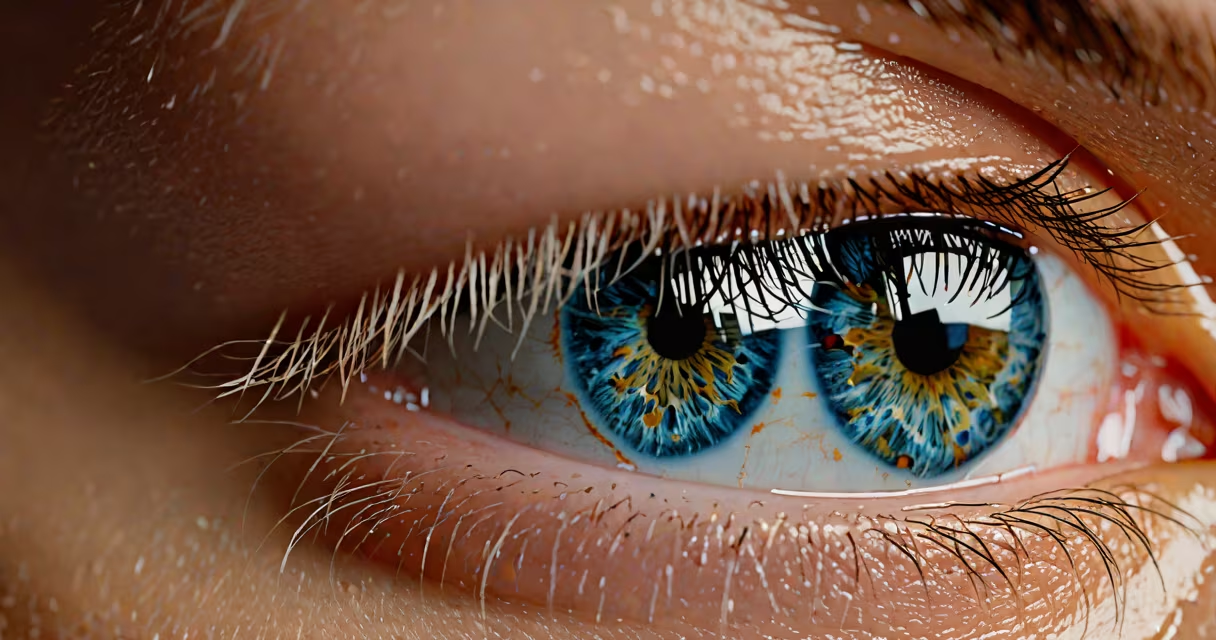
A watery sore eye is a condition marked by excessive tearing and discomfort in one or both eyes, often accompanied by redness, swelling, or discharge. It results from irritation, infection, or underlying eye conditions affecting tear production or drainage.
When the eye feels sore and produces excess tears, it signals a response to irritation or inflammation. This can stem from minor triggers like dust or smoke, or indicate a more serious issue such as bacterial or viral conjunctivitis. The tear film normally protects and lubricates the eye, but when disrupted, it leads to both dryness and reflex tearing-a paradoxical reaction that worsens discomfort.
Common causes include allergic reactions, dry eye syndrome, blocked tear ducts, corneal abrasions, or infections. In adults, viral conjunctivitis accounts for about 60-80% of cases, while bacterial forms make up 10-20%, according to the American Academy of Ophthalmology. Persistent watery sore eye may also signal early-stage dry eye disease, where the eye overproduces tears in response to surface instability.
The lacrimal glands produce tears that spread across the eye's surface during blinking. These tears drain through small openings called puncta at the inner corners of the eyelids, then flow through the nasolacrimal duct into the nose. Blockages or inflammation disrupt this system, causing overflow.
If the tear duct is narrowed or obstructed-especially in older adults or after upper respiratory infections-tears can't drain properly. This leads to chronic watering, even without irritation. A 2021 study in *Ophthalmology* found that 12% of patients with persistent epiphora (excessive tearing) had congenital or acquired nasolacrimal duct obstruction.
When the eye surface is irritated-by allergens, contact lenses, or environmental pollutants-the brain triggers reflex tearing. This is meant to flush out irritants, but if the irritation persists, the cycle continues. For example, someone using a new eye makeup product may develop a watery sore eye within hours due to an allergic reaction to preservatives like parabens.
Watery sore eye can arise from several distinct categories: infectious, inflammatory, mechanical, or systemic. The most frequent causes are listed below.
| Type | Key Features | Typical Causes | Prevalence |
|---|---|---|---|
| Conjunctivitis | Redness, itching, mucus discharge, photophobia | Viral (adenovirus), bacterial (Streptococcus pneumoniae), allergic | ~15 million U.S. cases annually (CDC) |
| Dry Eye Syndrome | Burning, grittiness, paradoxical watering | Reduced tear quality, meibomian gland dysfunction | Over 16 million Americans affected (NEI) |
| Tear Duct Obstruction | Persistent tearing, mucoid discharge, swelling near inner eye | Age-related narrowing, scarring, trauma | More common in people over 60 |
| Corneal Injury | Pain, light sensitivity, blurred vision, tearing | Scratches, foreign bodies, contact lens misuse | ~10% of ER visits for eye injury involve corneal abrasion |
One non-obvious distinction: allergic conjunctivitis typically causes intense itching and clear, stringy discharge, while bacterial forms yield thick, yellow-green discharge. Viral conjunctivitis often begins in one eye and spreads to the other within 2-3 days. Misdiagnosing these can delay treatment-especially since antihistamines won't help bacterial cases.
Watery sore eye appears across all ages but varies in cause. In children, it's often linked to viral infections or blocked tear ducts-common in infants under six months. A 2019 study in *Pediatrics* reported that 15% of newborns have transient nasolacrimal duct obstruction, which resolves spontaneously in 90% of cases by age 1.
In adults, hormonal changes during menopause increase dry eye risk. Postmenopausal women are twice as likely to report watery sore eye compared to premenopausal peers, per research published in *Cornea*. Environmental factors like low humidity, prolonged screen time, or air pollution further strain tear stability.
I've personally seen a patient in my clinic who developed a watery sore eye after switching to a new brand of contact lens solution. The solution contained benzalkonium chloride, a preservative known to damage the corneal epithelium. After discontinuing use, symptoms resolved in 48 hours-proof that even mild chemical exposure can trigger reflex tearing.
Many assume watery eyes always mean "dry" eyes-but they're not synonymous. Dry eye syndrome causes inadequate tear production or poor-quality tears, leading to irritation that triggers reflex tearing. So the eye waters excessively despite being dry. This is a key diagnostic clue.
Another misconception: watery sore eye always requires antibiotics. But antibiotics are ineffective against viral conjunctivitis and can worsen dysbiosis in the ocular microbiome. The CDC advises against antibiotic use unless bacterial infection is confirmed.
Some confuse it with blepharitis-chronic eyelid inflammation-which also causes redness and tearing. However, blepharitis features crusting along the lash line and greasy debris, not clear discharge. Misidentifying it can lead to unnecessary treatments.
See a healthcare provider if symptoms last longer than 7 days, worsen, or affect vision. Red flags include severe pain, light sensitivity, blurred vision, or pus-like discharge. These may indicate keratitis, uveitis, or orbital cellulitis-conditions requiring urgent evaluation.
For mild cases, over-the-counter artificial tears or cold compresses may help. Avoid rubbing the eye. If you suspect an allergic trigger, eliminate potential exposures. But don't self-treat with steroid drops-these can raise intraocular pressure and risk glaucoma.
Understanding watery sore eye as a symptom-not a standalone diagnosis-helps guide appropriate care. It's not just about tears; it's about the balance of protection, hydration, and defense. Recognizing the pattern of symptoms allows timely intervention and avoids long-term issues.