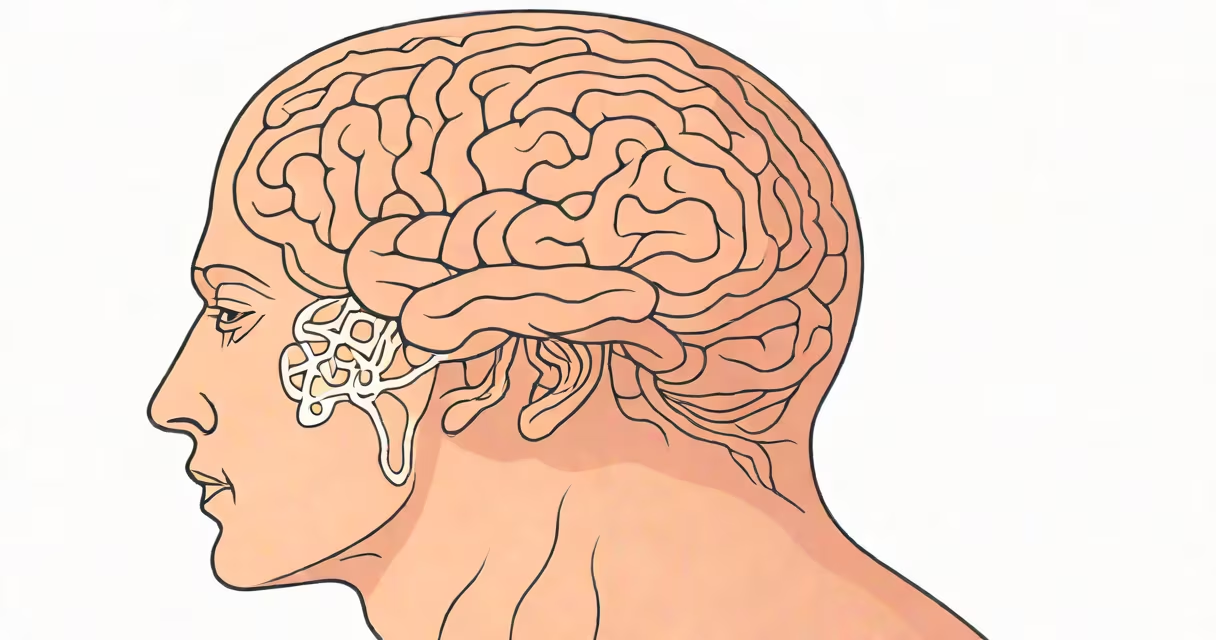
Unexplained headaches, seizures, vision changes, or sudden personality shifts may indicate a brain tumor. These growths form in the brain or spinal cord and disrupt normal function. Early detection improves outcomes, but symptoms often mimic less serious conditions.
Brain tumors develop when cells grow abnormally in the brain tissue. They can be benign (noncancerous) or malignant (cancerous). Location matters: a tumor near motor control areas affects movement, while one near language centers causes speech issues. Most primary brain tumors originate in glial cells-this group includes gliomas, the most common type.
According to the American Cancer Society, about 23,000 new cases of primary brain and spinal cord tumors are diagnosed annually in the U.S., with around 16,000 being malignant. Symptoms usually appear gradually and worsen over time. The key is recognizing patterns: persistent symptoms that don't resolve with rest or over-the-counter treatment warrant investigation.
Symptoms arise from pressure on brain structures or disruption of electrical signaling. As a tumor grows, it compresses nearby tissue, alters cerebrospinal fluid flow, or interferes with nerve pathways. This leads to physical and cognitive changes.
Early signs often involve headaches. Unlike typical tension headaches, these occur upon waking, worsen with lying down, and may be accompanied by nausea. A study published in Neuro-Oncology found that 40% of patients with newly diagnosed brain tumors reported headache as their first symptom.
Seizures are another red flag. Focal seizures-jerking in one limb, odd sensations, or brief confusion-can precede diagnosis by months. Generalized seizures involving loss of consciousness are less common but still significant. The National Institute of Neurological Disorders and Stroke notes that seizures occur in 30-50% of people with brain tumors.
Not all brain tumors cause dramatic symptoms. Some grow slowly and affect function subtly. The following list includes signs frequently missed until imaging confirms the presence of a mass.
| Sign | Frequency | Why It Matters |
|---|---|---|
| Recurrent headaches | 40% | Often worse in the morning; may not respond to painkillers |
| Seizures | 30-50% | Can be focal or generalized; may be the first sign |
| Vision problems | 25% | Blurred vision, double vision, or loss of peripheral sight |
| Motor weakness | 20% | One-sided limb weakness or difficulty walking |
| Cognitive decline | 35% | Memory lapses, poor concentration, confusion |
Personality changes are underreported but clinically significant. A patient may become unusually irritable, apathetic, or display uncharacteristic behavior. These changes stem from frontal lobe involvement, which regulates emotion and decision-making.
I once saw a 48-year-old man referred for psychiatric evaluation due to sudden mood swings and social withdrawal. He had no history of mental illness. MRI revealed a slow-growing meningioma pressing on his prefrontal cortex. After surgery, his behavior normalized within weeks. This case illustrates how neurological symptoms can masquerade as psychological ones.
Many symptoms resemble those of migraines, anxiety, or stroke. Distinguishing them requires context: duration, progression, and associated factors.
Headaches from brain tumors typically follow a pattern: they start mild, increase in frequency, and occur consistently upon waking. Migraines often come with aura, nausea, and light sensitivity, but they tend to resolve with rest or medication. A brain tumor-related headache rarely responds to standard treatments.
Confusion or memory issues may be attributed to stress or aging. But when these appear abruptly or worsen daily, especially with other neurological signs, they require imaging. The Mayo Clinic reports that cognitive decline in adults over 50 with new-onset symptoms should prompt neuroimaging to rule out structural causes.
A common error is dismissing seizures as "just anxiety." Focal aware seizures-where a person remains conscious but experiences tingling, déjà vu, or visual distortions-are often mislabeled. If someone reports episodes lasting seconds to minutes with no clear trigger, a neurologist should evaluate.
Not every symptom means a tumor. But certain combinations demand attention. The American Brain Tumor Association recommends seeing a doctor if:
Imaging such as MRI or CT scan is the gold standard for confirmation. MRI provides better detail of soft tissue and is preferred for brain tumors. A biopsy may follow if cancer is suspected.
One non-obvious fact: some brain tumors cause endocrine issues. A pituitary tumor can lead to hormonal imbalances-weight gain, fatigue, irregular periods, or unexpected hair growth. These symptoms are often misdiagnosed as thyroid disorders or PCOS.
Recognizing what are signs you have a brain tumor begins with awareness. Persistent neurological changes aren't normal. When symptoms accumulate, seek a specialist. Brain tumors are rare, but early detection saves lives.