Climate change leads to rising global temperatures, altered precipitation patterns, and increased frequency of extreme weather events, resulting in widespread environmental, economic, and social disruptions. These changes are driven by human activities, primarily the burning of fossil fuels and deforestation, which increase greenhouse gas concentrations in the atmosphere.
The Intergovernmental Panel on Climate Change (IPCC) reports that global surface temperatures have risen by approximately 1.2°C since pre-industrial times, with the past decade being the warmest on record. This warming triggers cascading effects across natural systems and human infrastructure.
Greenhouse gases such as carbon dioxide (CO₂), methane (CH₄), and nitrous oxide (N₂O) trap heat in Earth's atmosphere. Human emissions since the late 1800s have amplified this effect, disrupting the planet's energy balance. As atmospheric CO₂ levels exceed 420 parts per million-levels not seen in at least 800,000 years-the planet retains more thermal energy, leading to long-term warming.
This warming alters ocean currents, melts polar ice, and intensifies the water cycle. Warmer air holds more moisture, increasing the likelihood of heavy rainfall and flooding. Simultaneously, higher evaporation rates dry out soil in some regions, worsening droughts.
For example, in 2023, the U.S. experienced 28 separate billion-dollar weather and climate disasters, according to the National Oceanic and Atmospheric Administration (NOAA). These included hurricanes, wildfires, floods, and severe winter storms-all linked to climate change through increased energy in the atmosphere and oceans.
Climate change affects physical systems and human societies through direct and indirect pathways. The most documented impacts include sea level rise, extreme weather, system degradation, and threats to food and water security.
| Impact Type | Primary Driver | Observed Effect | Example Location |
|---|---|---|---|
| Sea Level Rise | Thermal expansion + glacial melt | Coastal inundation, saltwater intrusion | Maldives, Miami, Bangladesh |
| Extreme Heat | Global temperature increase | Heat-related deaths, crop failure | India, Pacific Northwest (2021) |
| Intensified Storms | Warmer ocean surfaces | Higher wind speeds, greater rainfall | Hurricane Ian (2022), Philippines typhoons |
| Biodiversity Loss | Habitat disruption + shifting climates | Species extinction, migration shifts | Great Barrier Reef bleaching (2016-2020) |
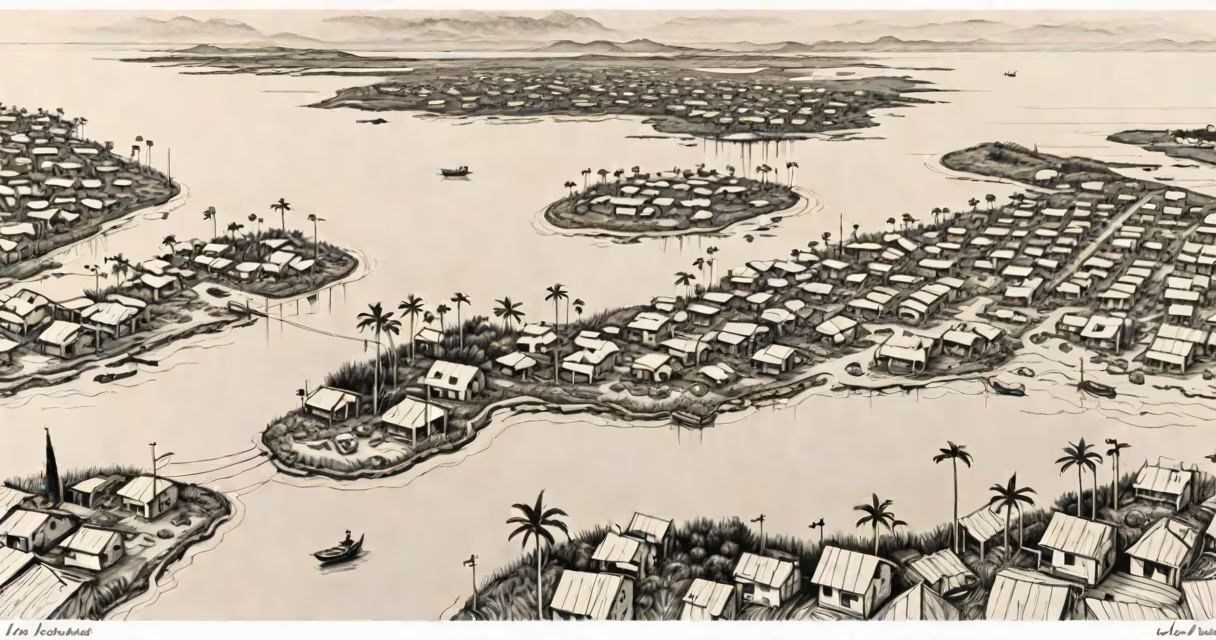
Sea level rise is accelerating. NASA data shows global average sea level rose about 20 cm (8 inches) between 1993 and 2020. In low-lying nations like the Maldives, entire communities face displacement. In Miami, high tides regularly flood streets during spring tides-a phenomenon known as "sunny day flooding" that did not occur at this scale before 2000.
Heatwaves are becoming more intense and frequent. During the summer of 2021, a heat dome over the Pacific Northwest pushed temperatures above 45°C (113°F) in cities like Lytton, British Columbia. The event caused over 600 excess deaths and triggered record-breaking wildfires. Scientists confirmed that climate change made such an event at least 150 times more likely.
Many assume climate change only means warmer winters or occasional heatwaves. That view underestimates the complexity of the system. Climate change is not uniform-it alters regional patterns in unpredictable ways. For example, while global temperatures rise, some areas may see increased snowfall due to enhanced moisture transport, even as snowpack declines.
A common error is equating short-term weather events with long-term climate trends. A cold snap in January does not disprove global warming. Climate refers to long-term averages over decades, not daily fluctuations. The IPCC emphasizes that climate change is detected through statistical analysis of temperature, precipitation, and storm frequency over 30-year periods.
Another misconception is that adaptation alone can offset all consequences. While adaptation reduces risk, it cannot eliminate harm from extreme events. After Hurricane Katrina in 2005, New Orleans rebuilt levees and improved drainage-but in 2023, Hurricane Idalia still caused major flooding due to storm surge exceeding design thresholds. No amount of engineering can fully compensate for rapid sea level rise and stronger storms.
Climate change disrupts biological cycles beyond visible species loss. Pollinators like bees are emerging earlier due to warmer springs, but their food sources-wildflowers-are not synchronizing. This mismatch threatens crop pollination. In Germany, researchers found that 30% of wild bee species declined between 2000 and 2015, partly due to climate-driven phenological shifts.
Human health is also affected indirectly. Warmer temperatures expand the range of disease-carrying mosquitoes. Dengue fever cases in Latin America rose 25% between 2000 and 2020, according to the World Health Organization (WHO). Areas previously too cool for transmission now support year-round mosquito breeding.
I've observed this firsthand while working with community resilience teams in coastal Louisiana. In 2022, we mapped erosion patterns along the Mississippi Delta. Satellite imagery showed land loss averaging 16 square miles per year-accelerated by both sea level rise and reduced sediment flow from upstream dams. Without intervention, entire towns could vanish by 2050.
Low-income and marginalized populations bear disproportionate risks. In sub-Saharan Africa, prolonged droughts have led to crop failures and internal displacement. The UN estimates that 143 million people could be internally displaced by 2050 due to climate-related factors, with the majority in fragile states lacking adaptive capacity.
Infrastructure is vulnerable. In 2022, a heatwave in Europe caused rail lines to buckle and power grids to strain. Spain reported 12,000 electricity outages during a single week. These failures show how climate stressors strain aging systems not designed for current extremes.
Food systems are under pressure. Wheat yields in India dropped 10% in 2023 due to unseasonal heat during flowering. Global wheat production fell 2.5%, according to FAO data. Price volatility follows, affecting household budgets worldwide.
Understanding the consequences of climate change is the first step toward action. Reducing personal carbon footprints-through public transit, plant-rich diets, and energy efficiency-helps. But systemic change requires policy and investment.