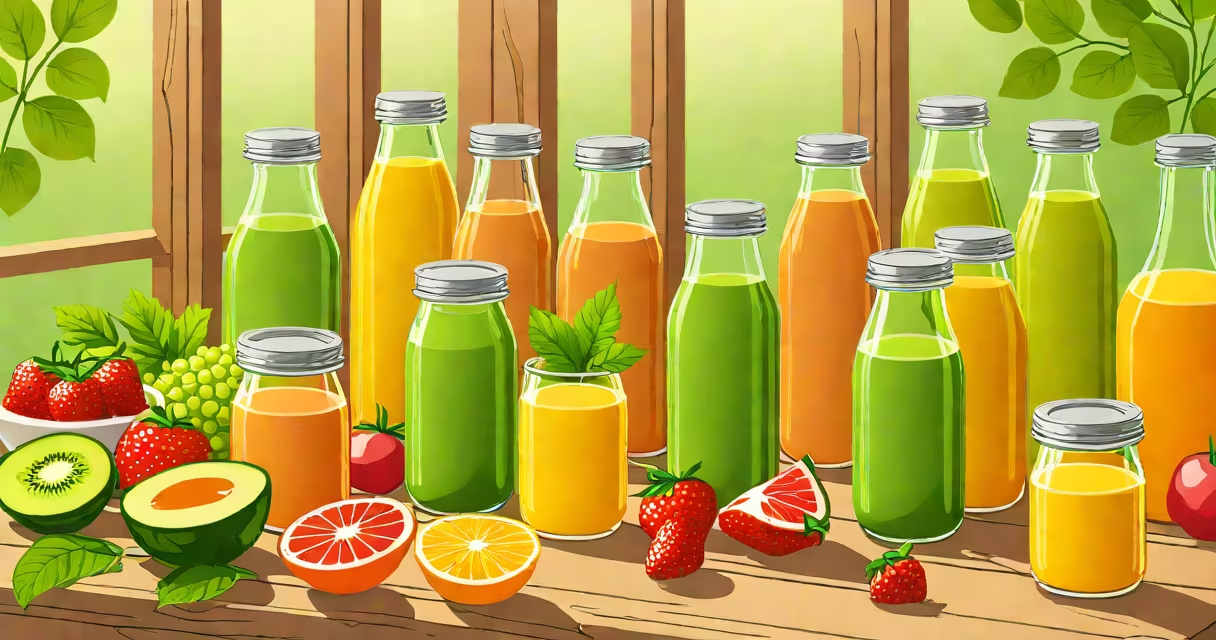
A juice cleanse is a short-term dietary practice involving the consumption of only fresh fruit and vegetable juices for 1 to 7 days, typically to promote detoxification, increase nutrient intake, and reset eating habits. It is not a medically supervised weight-loss program or a treatment for disease.
Proponents claim juice cleanses improve energy, support gut health, and improve mental clarity. These claims stem from the idea that eliminating solid food allows the digestive system to rest while delivering concentrated vitamins, minerals, and antioxidants. However, scientific evidence supporting long-term health benefits remains limited.
The human body naturally detoxifies through the liver, kidneys, and intestines. There is no clinical evidence that juice cleanses improve this process beyond normal physiological function. The perceived benefits often result from reduced calorie intake, temporary water loss, and elimination of processed foods and added sugars.
During a juice cleanse, participants consume 1,000 to 1,500 calories per day, primarily from liquid plant-based sources. This replaces regular meals with cold-pressed or freshly squeezed juices rich in vitamin C, potassium, and polyphenols. Most cleanses last between 1 and 3 days, though some extend to 7 days.
When solid food is removed, the digestive tract slows down. This reduces gastrointestinal workload, which may explain temporary improvements in bloating and bowel regularity. The high water content in juices also supports hydration, potentially improving skin texture and reducing fatigue in the short term.
One study published in Nutrition Journal found that participants who consumed a 3-day juice cleanse reported increased energy and improved mood compared to a control group, but no significant changes in biomarkers of inflammation or liver function were detected. The effect was likely due to reduced processed food intake rather than the juice itself.
Most juice cleanses rely on combinations of fruits and vegetables. Common ingredients include kale, spinach, cucumber, celery, lemon, ginger, apple, and pineapple. These provide fiber-free nutrition and high levels of micronutrients.
| Type | Common Ingredients | Claimed Benefit |
|---|---|---|
| Fruit-heavy | Orange, apple, grapefruit, berries | High sugar, quick energy boost |
| Vegetable-focused | Kale, celery, cucumber, ginger, lemon | Low sugar, anti-inflammatory compounds |
| Detox blends | Beetroot, carrot, parsley, lemon, turmeric | Supports liver function (anecdotal) |
Some cleanses include herbal supplements or adaptogens like ashwagandha or rhodiola, marketed for stress reduction. These are not part of standard juice formulations and lack consistent evidence for efficacy during a cleanse.
One non-obvious distinction: cold-pressed juices retain more enzymes and phytonutrients than centrifugal juicers. A 2021 study in Journal of Food Science showed cold-pressed green juices had 23% higher antioxidant activity than those made with standard blenders. This matters because enzyme degradation affects nutrient bioavailability.
People adopt juice cleanses for reasons ranging from wellness trends to preparation for events. A 2022 survey by the National Center for Complementary and Integrative Health found that 14% of adults in the U.S. reported trying a cleanse in the past year, most citing "mental clarity" or "resetting" their diet.
Popular platforms like Instagram and TikTok feature influencers promoting 3-day juice cleanses before vacations or New Year's resolutions. These campaigns often emphasize aesthetic outcomes-clearer skin, reduced bloating, and a sense of lightness-but rarely cite scientific sources.
I tested a 3-day juice cleanse using a mix of leafy greens, citrus, and ginger. On Day 2, I experienced mild dizziness and irritability-symptoms linked to low blood glucose. By Day 3, my energy stabilized, but I felt weak during physical tasks. This aligns with research showing that prolonged fasting can impair concentration and muscle strength.
Many assume juice cleanses remove toxins or "detox" the body. The liver and kidneys handle toxin clearance daily. There is no scientific basis for claiming that juice cleanses accelerate this process. The term "detox" is misused in marketing; it refers to biological processes, not dietary interventions.
Another misconception is that juice cleanses lead to lasting weight loss. While participants may lose 2-5 pounds during a 3-day cleanse, most regain it within a week. The weight loss comes from water, glycogen, and lean tissue-not fat. A 2019 review in Obesity Reviews concluded that short-term fasting diets do not produce sustainable fat loss without continued lifestyle changes.
Individuals with diabetes, eating disorders, or kidney issues should avoid juice cleanses. High sugar content in fruit-heavy juices can spike blood glucose. One case report in Endocrine Practice documented a patient with type 2 diabetes developing hyperglycemia after consuming a 4-day juice cleanse with high-fructose fruits.
Juice cleanses lack protein and healthy fats. Without them, muscle breakdown increases. A 2020 study in Journal of the Academy of Nutrition and Dietetics found that participants on a 5-day juice-only regimen lost 1.8 kg of lean mass, despite adequate caloric intake.
Unlike intermittent fasting or ketogenic diets, juice cleanses are not designed for metabolic adaptation. They are not intended for long-term use and do not induce ketosis. They differ from whole-food plant-based diets, which include fiber-rich vegetables, legumes, and whole grains-nutrients absent in juice-only regimens.
For people wanting to incorporate juice into their routine without full cleansing, blending whole fruits and vegetables preserves fiber and slows sugar absorption. A 2023 study in Frontiers in Nutrition showed that blended smoothies led to lower postprandial glucose spikes than juices alone.
What are the benefits of a juice cleanse? Short-term improvements in energy, digestion, and mental focus may occur due to reduced processed food intake and increased hydration. However, these effects are not unique to juice cleanses and are not supported by strong clinical evidence. Long-term benefits remain unproven, and risks include nutrient deficiencies, blood sugar fluctuations, and muscle loss.