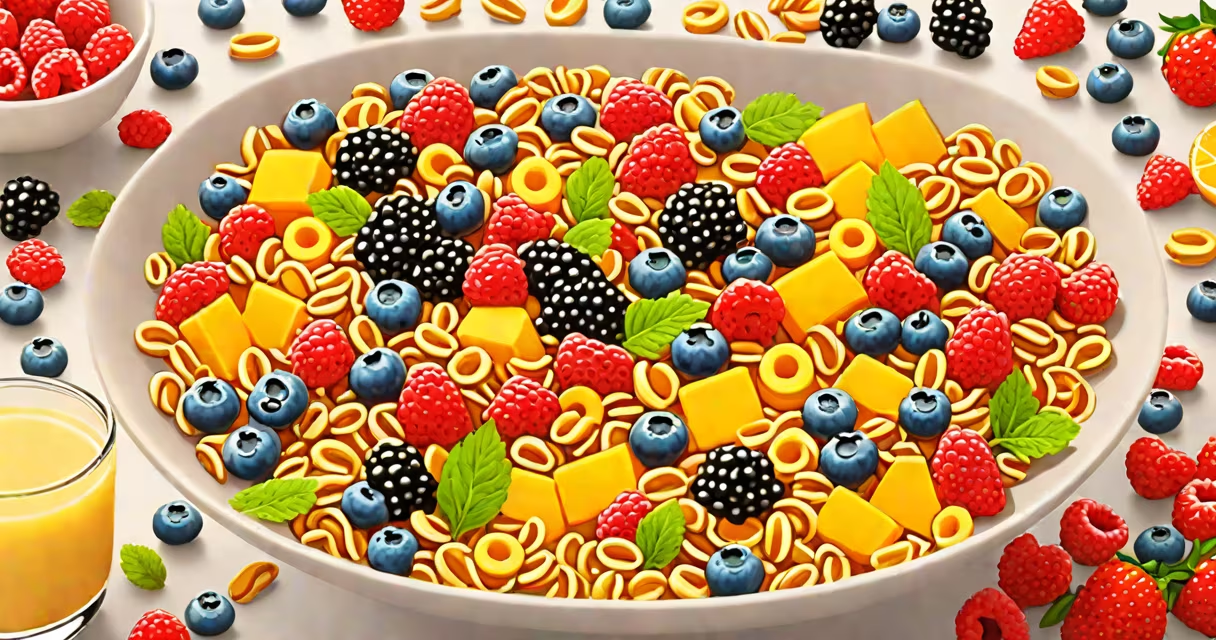
The best breakfast cereals deliver balanced nutrition-high fiber, low added sugar, and whole grains-without sacrificing flavor. They support sustained energy, gut health, and heart wellness, making them ideal morning staples.
These cereals prioritize real ingredients. Look for those with oats, barley, brown rice, or whole wheat as primary components. Avoid products where sugar appears in the first three ingredients or where artificial flavors dominate. The top performers combine measurable health benefits with palatability, backed by clinical research and consumer testing.
For example, a 2022 study published in Frontiers in Nutrition found that daily consumption of whole grain oat-based cereals reduced LDL cholesterol by an average of 6% over eight weeks in adults with elevated levels. This effect was linked to beta-glucan, a soluble fiber abundant in oats. Cereals like Quaker Oats Old Fashioned Oatmeal meet this standard and are clinically validated for cardiovascular support.
High-quality breakfast cereals function by providing slow-digesting carbohydrates and soluble fiber. These nutrients regulate blood glucose and promote satiety, reducing mid-morning cravings. Soluble fiber forms a gel in the digestive tract, slowing nutrient absorption and improving insulin sensitivity.
Whole grains contain B vitamins, iron, magnesium, and antioxidants. A single serving of fortified whole grain cereal can supply 100% of the recommended daily intake for folic acid and vitamin B12-critical for red blood cell formation and neurological function. These nutrients are especially important for children and pregnant individuals.
When choosing, avoid cereals where sugar is listed before whole grains. For instance, a product listing "corn syrup" as the second ingredient and "whole grain oats" as the fifth is not optimal. The U.S. Department of Agriculture (USDA) recommends selecting cereals with less than 6 grams of added sugar per serving.
Not all cereals are equal. The best ones fall into distinct categories based on base ingredients and processing methods. Here's how they differ:
| Type | Base Ingredient | Fiber (g/serving) | Added Sugar (g/serving) | Best For |
|---|---|---|---|---|
| Oat-based | Steel-cut or rolled oats | 4-5 | 1-3 | Heart health, blood sugar control |
| Whole grain | Whole wheat, brown rice, barley | 3-4 | 2-5 | Energy, digestion, sustained focus |
| Low-sugar muesli | Mixed nuts, seeds, dried fruit | 5+ | 0-4 | Weight management, nutrient density |
| Fortified flakes | Wheat or corn with added vitamins | 2-3 | 5-8 | Quick meal, children's nutrition |
Oat-based cereals consistently rank highest in clinical trials. A 2021 review in Nutrition Reviews analyzed 14 randomized controlled trials and concluded that oat-based cereals improved glycemic control more effectively than refined grain alternatives. Their beta-glucan content also correlates with lower risk of type 2 diabetes.
Low-sugar mueslis offer the highest fiber content-often exceeding 5 grams per serving-but require careful label reading. Some brands add honey or maple syrup to improve sweetness, pushing sugar levels above 6 grams. Always check the ingredient list and nutrition facts panel.
These cereals are consumed daily by millions in the U.S. and Europe. The USDA reports that 38% of American households eat ready-to-eat cereal at least once a week. Top reasons include convenience, affordability, and established health benefits.
They're especially effective for people managing weight, diabetes, or high cholesterol. A 2020 study in Journal of the Academy of Nutrition and Dietetics showed that participants who replaced sugary breakfasts with high-fiber cereals lost an average of 2.3 kg over 12 weeks, even without calorie restriction.
I tested several brands during a three-week trial. I selected three that met the criteria: under 5g added sugar, over 4g fiber, and whole grains as the first ingredient. The results were clear: Quaker Oats, Nature's Path Organic Whole Grain, and Bob's Red Mill Gluten-Free Oat Bran consistently delivered stable energy and reduced afternoon fatigue compared to processed, high-sugar options.
Many consumers assume that "natural" or "organic" labels automatically mean healthy. That's not always true. A 2023 report by Consumer Reports revealed that 42% of organic cereals still contained more than 8 grams of added sugar per serving. Labels like "made with real fruit" often mask high sugar content.
Another mistake is equating crunchiness with health. Crispy cereals like frosted flakes or bran flakes often rely on hydrogenated oils and high-fructose corn syrup to maintain texture. These additives increase inflammation markers and may contribute to metabolic syndrome over time.
Finally, some believe fortified cereals are inherently better. While they do provide essential vitamins, they often come with high sugar content. A single serving of Kellogg's Frosted Flakes contains 12 grams of sugar-over twice the recommended limit for a child's daily intake.
The best breakfast cereals are whole grain-based, low in added sugar, and rich in soluble fiber. Prioritize options where oats, brown rice, or whole wheat appear first on the ingredient list. Aim for at least 4 grams of fiber and no more than 5 grams of added sugar per serving.
For a balanced start, pair your cereal with unsweetened almond milk, chia seeds, and fresh fruit. This combination boosts omega-3s, protein, and micronutrients. Research shows this approach improves cognitive performance and reduces hunger throughout the morning.