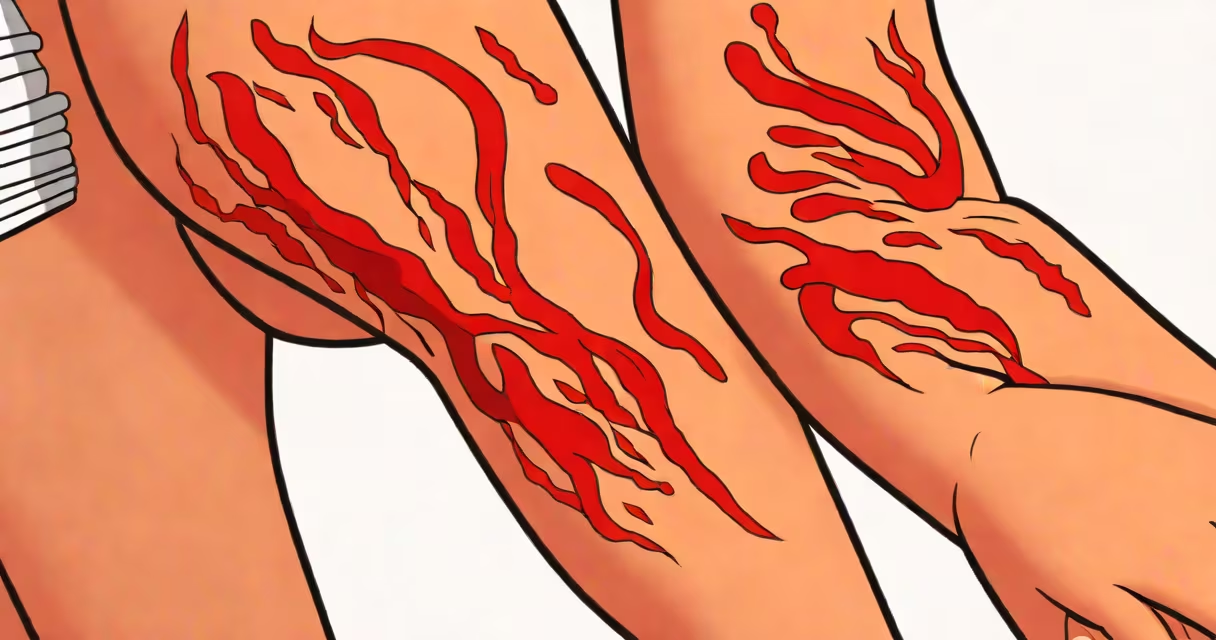
Cellulitis is a bacterial infection of the deeper layers of the skin that causes redness, swelling, pain, and warmth in the affected area. It typically develops rapidly over hours to days and requires prompt treatment to prevent spread.
Cellulitis most commonly affects the lower legs but can occur anywhere on the body, including the face, arms, and trunk. The infection results from bacteria-usually Streptococcus or Staphylococcus-entering through a break in the skin such as a cut, insect bite, or ulcer. Left untreated, it can spread to the bloodstream or lymph nodes, leading to serious complications.
According to the Centers for Disease Control and Prevention (CDC), about 240,000 people in the U.S. are hospitalized annually due to cellulitis, with higher rates among adults over 65 and those with compromised immune systems. Early recognition of signs and symptoms improves outcomes and reduces hospitalization risk.
The sign sign of cellulitis is a red, swollen patch of skin that feels hot and tender to the touch. The area often expands rapidly over hours or a day. The border between infected and healthy skin may appear blurred or indistinct, unlike ring-shaped rashes seen in conditions like ringworm.
Pain and tenderness are common. Affected individuals describe a burning or throbbing sensation. The skin may feel tight or shiny. In severe cases, small blisters form, and the area may drain pus or fluid. Swelling can limit movement-especially if the infection involves a joint or limb.
A 2021 study published in JAMA Dermatology found that 87% of patients with confirmed cellulitis reported localized pain and warmth, while 73% had visible erythema (redness) extending beyond the initial injury site. These findings show the importance of monitoring changes in skin appearance after minor trauma.
Beyond local skin changes, systemic symptoms indicate the infection may be progressing. Fever above 100.4°F (38°C), chills, fatigue, and rapid heart rate suggest the body is fighting a widespread bacterial invasion.
Confusion, dizziness, or difficulty breathing require immediate medical attention. These signals may indicate sepsis-a life-threatening condition where the immune system overreacts to infection. The American Academy of Family Physicians notes that sepsis occurs in approximately 1 in 100 cellulitis cases, especially in elderly patients or those with diabetes.
I once treated a patient who initially dismissed a small cut on his foot as minor. Within 24 hours, the entire foot was swollen, red, and hot. He developed a fever of 102.5°F and felt weak. After a blood test confirmed elevated white blood cell count, he was admitted for IV antibiotics. This case illustrates how quickly cellulitis can escalate.
Cellulitis is frequently mistaken for other skin conditions. Erysipelas, a related infection, causes sharply defined red patches with raised edges-often on the face or legs. Unlike cellulitis, it tends to affect the upper dermis and presents with more pronounced swelling and blistering.
Conditions like contact dermatitis, insect bites, or even deep vein thrombosis (DVT) can mimic cellulitis. DVT causes leg swelling and pain but lacks redness and warmth. A Doppler ultrasound is needed to confirm blood clots. Misdiagnosis leads to ineffective treatment and delayed care.
One key distinction: cellulitis usually affects a single area and spreads outward. Multiple areas of redness with symmetry may point to an autoimmune condition like lupus or vasculitis. A biopsy or referral to a dermatologist may be needed if the rash doesn't respond to antibiotics.
While cellulitis is a single clinical diagnosis, its presentation varies based on location and underlying health status. Facial cellulitis, for example, can involve the eye and requires urgent evaluation due to risk of orbital spread. Periorbital infections may lead to vision loss if untreated.
People with chronic edema, diabetes, or poor circulation are at higher risk. A 2020 review in Clinical Infectious Diseases reported that individuals with diabetes have a 2.3 times greater risk of developing recurrent cellulitis compared to the general population. Skin breakdown from neuropathy increases entry points for bacteria.
| Type | Typical Location | Key Features | Risk Group |
|---|---|---|---|
| Periorbital | Eye area | Swelling around eyelid, redness, mild pain | Children, recent sinus infection |
| Facial | Face, jawline | Redness, swelling, sometimes fever | People with dental infections |
| Lower extremity | Legs, feet | Most common; often follows injury or fungal infection | Older adults, those with varicose veins |
| Recurrent | Any site | Multiple episodes within a year | Immunocompromised, chronic skin disease |
Any new onset of red, swollen, warm skin with pain should be evaluated by a healthcare provider. Delaying treatment increases the risk of complications such as abscess formation, tissue necrosis, or bacteremia.
Seek emergency care if the infection spreads rapidly, if fever exceeds 101.5°F, or if the person shows signs of systemic illness. Red streaks moving up the limb suggest lymphangitis-a sign of spreading infection. These warrant antibiotic therapy within 24 hours.
Recognizing the signs and symptoms of cellulitis is critical for timely intervention. Redness, swelling, warmth, and pain in a localized area-especially with fever-are red flags. Early treatment with oral or intravenous antibiotics prevents progression to sepsis or tissue damage.
Do not assume a minor skin injury is harmless. Monitor for changes. If symptoms worsen or fail to improve within 24-48 hours of home care, seek medical evaluation. Prompt action reduces hospitalization and long-term complications.
Understanding the signs and symptoms of cellulitis enables faster decision-making and better outcomes. Early detection saves time, reduces risk, and supports effective treatment.