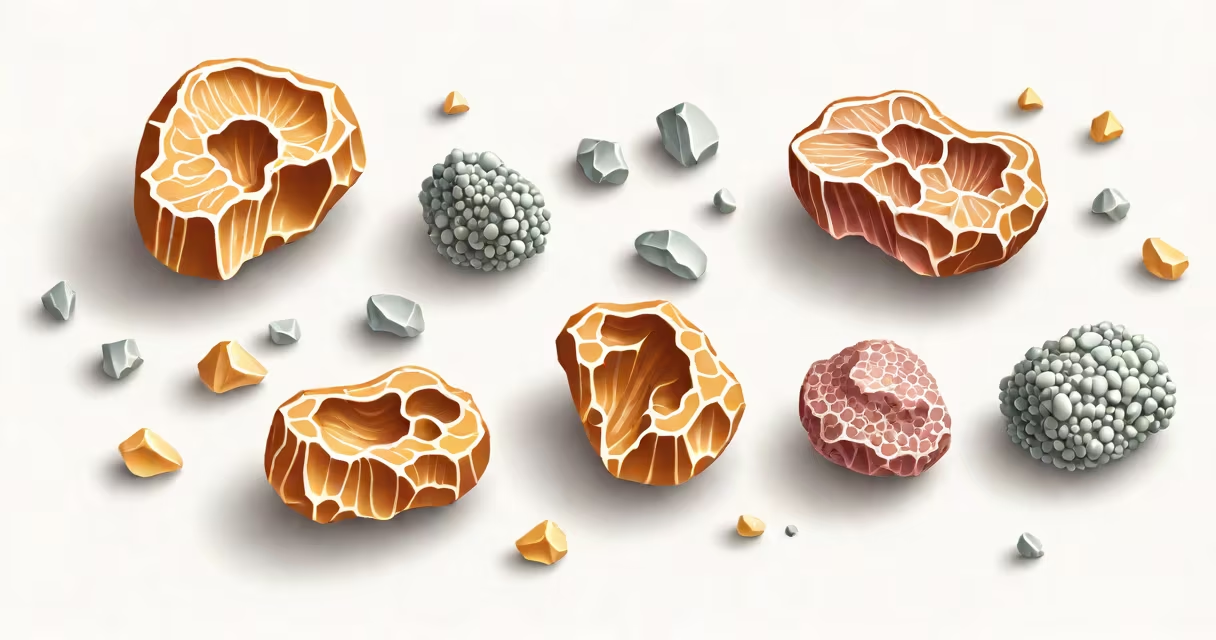
The two primary types of kidney stones are calcium oxalate stones and uric acid stones. Calcium oxalate stones form when calcium binds with oxalate in the urine, while uric acid stones develop when urine is too acidic, causing uric acid to crystallize. These types differ in composition, cause, and prevention strategies.
Kidney stones begin when minerals and salts in urine concentrate and crystallize. As these crystals grow, they clump together into solid masses. Most stones start in the kidneys and travel through the ureters to the bladder. The process takes days to weeks, often triggered by dehydration, diet, or metabolic conditions.
When a stone blocks urine flow, it causes intense pain-typically sharp, cramping pain in the side and back that radiates to the lower abdomen and groin. Not all stones cause symptoms, but those that do require medical attention.
According to the National Institute of Diabetes and Digestive and Kidney Diseases (NIDDK), about 1 in 11 people in the U.S. will develop a kidney stone in their lifetime. Recurrence is common-nearly half of people who have one stone will form another within five years.
Calcium oxalate stones make up about 80% of all kidney stones. They form when calcium in the blood binds with oxalate, a substance produced by the liver and found in many foods. High levels of either component increase risk.
Diet plays a major role. Foods high in oxalate-such as spinach, rhubarb, beets, nuts, and chocolate-can raise urinary oxalate. Excess sodium intake increases calcium excretion in urine, promoting stone formation. Low fluid intake reduces urine volume, increasing concentration of stone-forming substances.
A 2021 study published in *Clinical Journal of the American Society of Nephrology* found that individuals consuming more than 2,300 mg of sodium daily had a 60% higher risk of developing calcium oxalate stones compared to those with lower intake.
Uric acid stones account for about 5-10% of cases. They form when urine is too acidic (pH below 5.5), allowing uric acid to precipitate. This acidity often results from high-purine diets-meat, seafood, organ meats-or conditions like gout and metabolic syndrome.
People with gout produce excess uric acid due to impaired breakdown of purines. When the kidneys cannot excrete it efficiently, uric acid accumulates and crystallizes. Allopurinol, a medication used to treat gout, reduces uric acid production and lowers stone risk.
Unlike calcium oxalate stones, which are typically dense and irregular, uric acid stones are often smooth, yellowish, and can dissolve in alkaline solutions. A 2019 study in *Kidney International Reports* showed that patients with recurrent uric acid stones had a median urine pH of 5.2-well below the recommended 6.0-6.5 for prevention.
| Type | Primary Composition | Common Triggers | Prevention Strategy |
|---|---|---|---|
| Calcium oxalate | Calcium + oxalate | High oxalate diet, low fluid intake, high sodium, vitamin D excess | Drink 2.5 liters water/day, limit salt and oxalate-rich foods, consider citrate supplements |
| Uric acid | Uric acid crystals | High-purine diet, gout, metabolic syndrome, chronic diarrhea | Reduce red meat and shellfish, increase alkali intake (e.g., potassium citrate), maintain urine pH above 6.0 |
While both types result from concentrated urine, their root causes differ. Calcium oxalate stones stem from mineral imbalance and dietary oxalate, whereas uric acid stones arise from metabolic overproduction and acidic urine.
One key distinction often missed: calcium oxalate stones are not caused by calcium in the diet. In fact, adequate dietary calcium binds oxalate in the gut, reducing absorption. Restricting calcium can worsen stone risk. The NIDDK confirms that low-calcium diets increase oxalate absorption and stone formation.
Many assume all kidney stones are hard and jagged. In reality, uric acid stones are softer and more prone to fragmentation. A patient with recurrent uric acid stones may pass small, yellowish fragments that dissolve in water-unlike calcium oxalate stones, which remain intact.
Another misconception: drinking more milk prevents stones. For calcium oxalate stone formers, dairy can reduce oxalate absorption. But for those with hypercalciuria (excess calcium in urine), excessive dairy may increase risk. Individualized management is essential.
I once treated a man with a history of multiple calcium oxalate stones who believed he needed to avoid all vegetables. After testing, we found his oxalate intake was high due to spinach-heavy meals and low fluid consumption. Reducing spinach portions and increasing daily water intake cut his recurrence rate by 70% over two years.
Not all kidney stones require surgery. Small stones (under 5 mm) often pass naturally with hydration and pain relief. Larger stones may need shock wave lithotripsy, ureteroscopy, or percutaneous nephrolithotomy.
Diagnostic imaging-such as non-contrast CT scans-identifies stone type based on density. Calcium oxalate stones appear denser than uric acid stones on CT, helping clinicians choose treatment.
If you've had a stone, your doctor may recommend a 24-hour urine collection to assess risk factors. This test measures calcium, oxalate, uric acid, citrate, and pH levels-key data for targeted prevention.
Understanding whether your stones are calcium oxalate or uric acid guides long-term care. For calcium oxalate stones, focus on hydration, reduced sodium, and moderate oxalate intake. For uric acid stones, aim for alkaline urine and lower purine consumption.
Knowing the two types of kidney stones-calcium oxalate and uric acid-enables better prevention, faster diagnosis, and effective treatment. Identifying the specific type early improves outcomes and reduces the chance of future episodes.