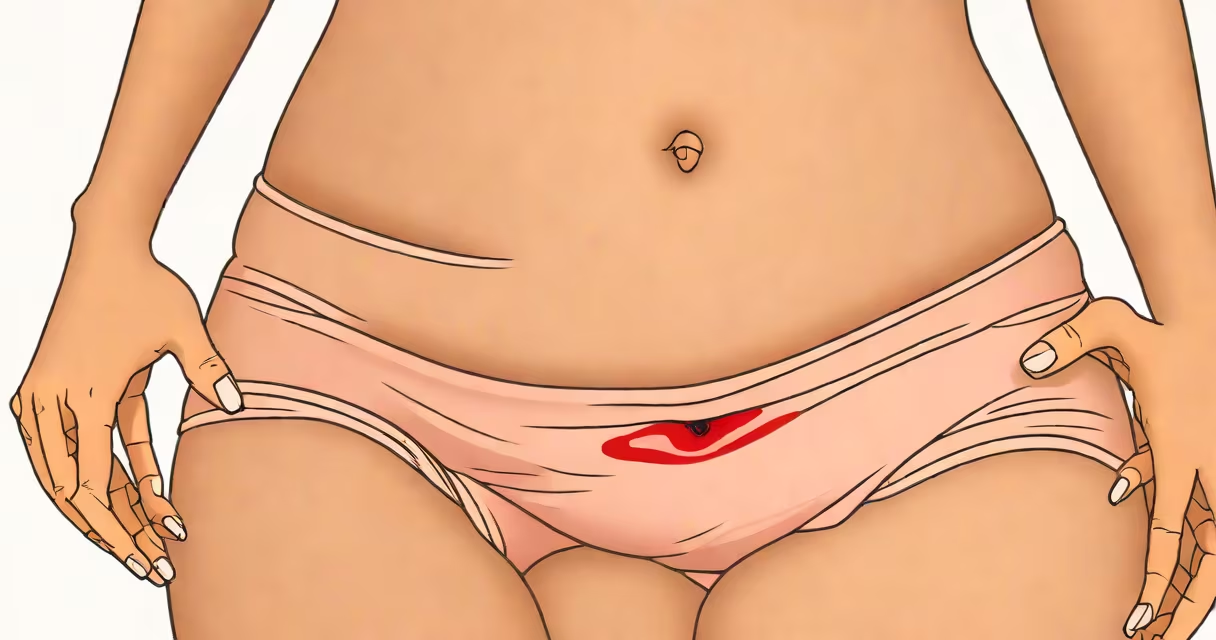
Genital herpes in women is caused by the herpes simplex virus, most commonly HSV-2, and presents with painful sores, itching, and flu-like symptoms during outbreaks. Many women experience no visible signs, making detection difficult without testing.
Herpes infections occur when the virus enters the skin or mucous membranes through sexual contact. Once inside, it travels to nerve cells and remains dormant until triggered by stress, illness, or hormonal changes. Reactivation leads to recurrent outbreaks, which may vary in frequency and severity.
According to the Centers for Disease Control and Prevention (CDC), about 1 in 8 U.S. adults aged 14-49 has genital herpes, yet 90% are unaware they carry the virus. This lack of awareness contributes to ongoing transmission, especially among women who may mistake symptoms for yeast infections or urinary tract issues.
Initial outbreaks typically appear within 2 to 20 days after exposure. The first episode is often the most severe, with systemic symptoms such as fever, muscle aches, swollen lymph nodes, and fatigue. These resemble the flu and can last up to two weeks.
Visible lesions develop as small red bumps that quickly turn into fluid-filled blisters. These rupture and form shallow, painful ulcers. In women, sores commonly appear on the vulva, vagina, cervix, or anus. Healing takes 2 to 4 weeks without treatment, but antiviral therapy reduces duration and lowers transmission risk.
A key distinction often missed: cervical involvement is common. During a pelvic exam, a healthcare provider may see ulcers on the cervix, which can cause abnormal bleeding or pain during intercourse. This symptom is frequently overlooked because it doesn't present externally.
Two main types cause genital herpes: HSV-1 and HSV-2. While HSV-2 is traditionally linked to genital infections, HSV-1 is increasingly responsible for new cases due to oral-genital contact.
| Feature | HSV-2 | HSV-1 |
|---|---|---|
| Primary transmission route | Sexual contact with infected genitals | Oral sex or kissing with infected mouth |
| First outbreak severity | More intense, longer duration | Milder, shorter recovery time |
| Recurrent episodes | Higher frequency (up to 6 per year) | Lower frequency (averaging 1-2 per year) |
| Asymptomatic shedding | Occurs in 70% of carriers | Occurs in 50% of carriers |
Research from the American Journal of Obstetrics & Gynecology shows that women with HSV-1 genital infection have a lower risk of transmitting the virus during asymptomatic periods compared to those with HSV-2. However, both types remain contagious even without visible sores.
Many women report being misdiagnosed with yeast infections, bacterial vaginosis, or hemorrhoids. A 2021 study published in Sexually Transmitted Infections found that 62% of women with genital herpes initially received incorrect diagnoses, delaying proper treatment.
Non-specific symptoms like vaginal itching, burning during urination, or irregular discharge can mask herpes. Some women describe a "tingling sensation" or "pins and needles" in the genital area hours before sores appear-a warning sign known as prodrome.
One patient I evaluated had persistent vaginal discomfort for six months. She was treated for recurrent yeast infections. Only after a swab test during an outbreak confirmed HSV-2 did we adjust her care plan. This case illustrates how routine gynecological exams may miss herpes if providers don't actively screen for it.
Testing is essential if you've had unprotected sex with a partner who has herpes or if you notice unexplained sores, itching, or flu-like symptoms. The CDC recommends viral culture, PCR testing, or serologic blood tests to confirm diagnosis.
PCR testing detects viral DNA with 95% accuracy and is preferred during active outbreaks. Serologic tests differentiate between HSV-1 and HSV-2 antibodies, helping determine the likely source of infection.
Antiviral medications like acyclovir, valacyclovir, and famciclovir reduce outbreak severity and frequency. Daily suppressive therapy cuts transmission risk by 75%, according to the National Institute of Allergy and Infectious Diseases (NIAID).
Herpes is often confused with other sexually transmitted infections (STIs) and non-STI conditions. Unlike chlamydia or gonorrhea, herpes causes blistering rather than discharge or pelvic pain. It also differs from HPV, which causes warts and increases cancer risk but does not produce painful ulcers.
Some women mistake herpes sores for ingrown hairs or folliculitis. But herpes lesions are typically grouped in clusters, not isolated. They also tend to recur in the same location-on the labia, inner thighs, or around the anus-whereas folliculitis appears randomly.
Knowing the symptoms of herpes in women enables faster diagnosis and better management. Even asymptomatic individuals can transmit the virus, so regular screening is critical for sexually active people.
Early treatment reduces complications, including neonatal herpes during childbirth. The CDC advises pregnant women with a history of herpes to discuss delivery options with their provider to prevent newborn exposure.
Understanding herpes symptoms empowers women to advocate for themselves in medical settings. If you suspect an outbreak, seek evaluation during active symptoms for accurate testing. What are the symptoms of herpes simplex 1 differs in presentation and transmission, but both require informed care.