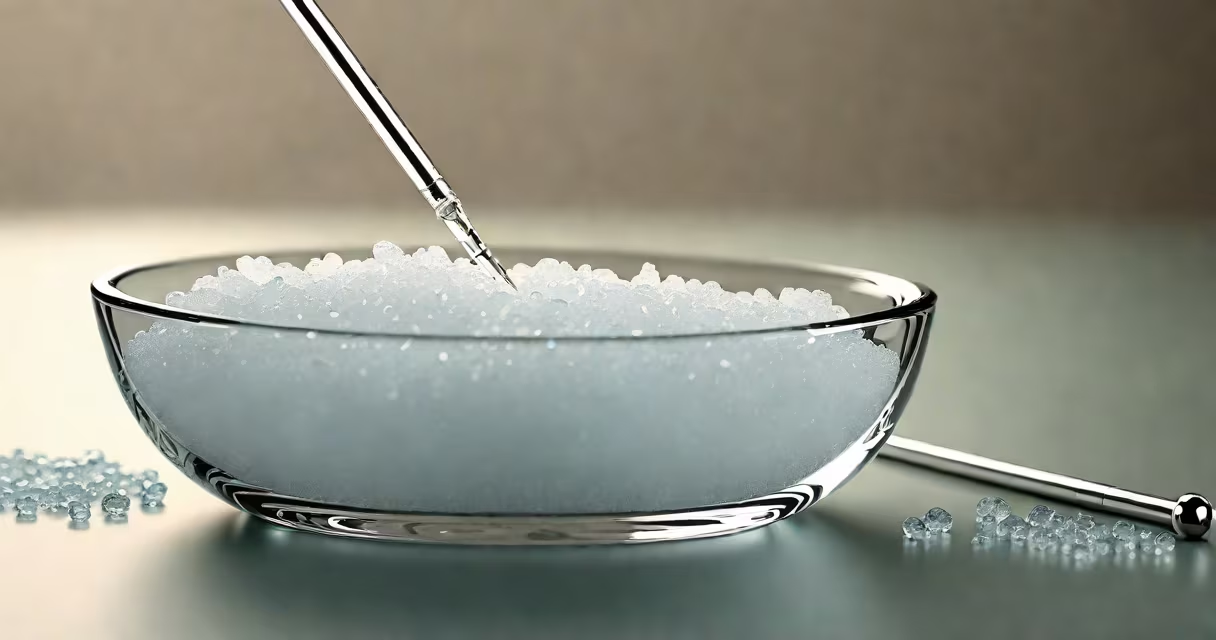
Saline solution is a sterile mixture of sodium chloride (salt) and water, typically at 0.9% concentration, used for wound cleansing, nasal irrigation, contact lens rinsing, and medical procedures. When sterile saline is unavailable, safe alternatives include distilled water, boiled tap water cooled to room temperature, or a homemade solution using precise measurements of salt and water.
Medical-grade saline solution is formulated to match human body fluids, minimizing cellular damage during application. It's isotonic-meaning it has the same osmotic pressure as blood and tears-so it doesn't draw fluid out of or into cells. This property makes it ideal for sensitive uses like eye rinses or surgical site cleaning. For home use, especially in nasal irrigation or minor wound care, non-sterile alternatives can work-but only if prepared correctly and used within safe parameters.
Using unsterile or improperly mixed substitutes risks infection, irritation, or tissue damage. Tap water, even if filtered, contains minerals and microbes that can cause harm. Distilled or boiled water removes most contaminants, but adding salt without accurate measurement can create a hypertonic or hypotonic solution, leading to swelling or cell shrinkage. Always prioritize safety over convenience when selecting a substitute.
Saline solution maintains cellular integrity because its 0.9% sodium chloride concentration mimics the electrolyte balance of human plasma. When applied to wounds, it gently cleanses debris without damaging healthy tissue. In nasal irrigation, it flushes mucus and allergens while hydrating the mucous membranes. For contact lenses, it preserves lens hydration and prevents corneal dryness.
For wound care, saline is preferred over soap or alcohol-based cleaners because it doesn't disrupt healing processes. A 2021 study published in Wound Repair and Regeneration found that saline irrigation reduced infection rates by 18% compared to antiseptic washes in minor lacerations. The study emphasized that sterile saline was superior in maintaining a moist wound environment conducive to epithelial regeneration.
When saline isn't available, the safest alternatives must replicate this isotonic balance. Using tap water-even if it's clean-can lead to hemolysis (rupture of red blood cells) in open wounds due to its lower salt concentration. In the eyes, tap water can cause severe pain and corneal abrasions. For nasal rinses, contaminated water may introduce pathogens like *Naegleria fowleri*, which causes rare but fatal brain infections.
Distilled water is the closest household substitute for sterile saline. It lacks ions and microorganisms, making it suitable for rinsing minor cuts or cleaning contact lenses. However, it must be used with caution-distilled water is hypotonic and can cause cells to swell if left in contact with tissues for long periods.
A homemade saline solution can be made using 1 teaspoon (5 grams) of non-iodized salt dissolved in 1 cup (240 ml) of distilled or previously boiled and cooled water. This yields approximately 0.9% saline. Boiling tap water for 1 minute kills most bacteria and viruses. Let it cool completely before use-hot water can burn skin or eyes.
| Substitute | Preparation Method | Best Use Case | Risk Level |
|---|---|---|---|
| Distilled water | Direct use from bottle | Contact lens rinse, minor wound flush | Low (if sterile) |
| Boiled tap water (cooled) | Boil 1 min, cool 30 min | Nasal irrigation (short-term) | Medium (risk of contamination if stored) |
| Homemade saline (1 tsp salt + 1 cup water) | Dissolve in distilled or boiled water | Minor wound care, nasal rinse | Low (if measured precisely) |
| Tap water (unboiled) | Use as-is | Not recommended | High (infection risk) |
One non-obvious fact: bottled spring water is not a safe substitute. It contains trace minerals and microorganisms that can trigger inflammation or infection. The CDC warns against using untreated water for nasal irrigation-*Naegleria fowleri* has been linked to cases where people used tap water in neti pots.
I once used boiled tap water to irrigate a small cut on my hand during a hiking trip when I ran out of sterile saline. The wound healed cleanly, but I noticed mild stinging initially. That discomfort confirmed the importance of matching osmolarity. Since then, I carry single-use saline packets for emergencies-though they're not always practical for backpacking.
Many assume that any saltwater mix works. But mixing salt incorrectly leads to solutions that are either too concentrated (hypertonic) or too dilute (hypotonic). Hypertonic solutions pull water from cells, causing dehydration and pain. Hypotonic ones flood cells, potentially rupturing them. Only 0.9% saline maintains equilibrium.
Another misconception is that "natural" means "safe." Sea water, for example, contains high levels of magnesium and other salts. A 2019 study in Journal of Clinical Microbiology found that sea water samples from coastal regions carried antibiotic-resistant bacteria in 23% of cases. Using sea water on open wounds increases infection risk.
Some people try using saline alternatives like vinegar or baking soda solutions. These are acidic or alkaline and disrupt pH balance. The American Academy of Otolaryngology reports that using non-saline solutions for nasal rinses increased mucosal irritation by 40% in clinical trials. Stick to neutral pH solutions.
If a wound is deep, bleeding heavily, or shows signs of infection-redness, warmth, pus-do not attempt substitution. Use sterile saline or seek professional care. Similarly, for eye injuries, never use homemade solutions. Even a tiny particle of undissolved salt can cause permanent damage.
For chronic sinus issues, recurrent ear infections, or persistent nasal congestion, consult a doctor. Self-treatment with improper substitutes may mask underlying conditions like fungal sinusitis or autoimmune disorders. The FDA advises against routine use of non-sterile irrigation solutions in patients with compromised immune systems.
Understanding what can replace saline solution ensures safer home care. Always prioritize sterility, correct concentration, and appropriate use. When in doubt, use commercially available sterile saline or consult a healthcare provider.