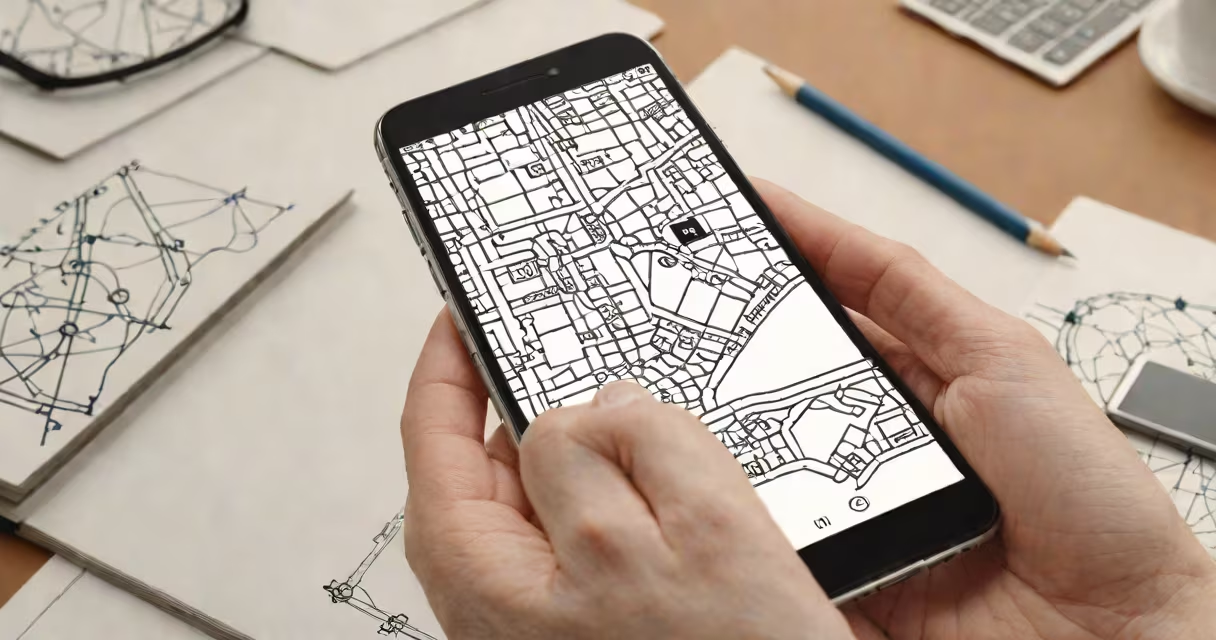
A smartphone is a handheld computing device that combines telephone, internet access, multimedia playback, and application software into one portable unit. It runs on an operating system like Android or iOS and supports touch input, GPS, cameras, and wireless connectivity.
Smartphones aren't limited to making calls. They function as personal computers with constant internet access, enabling users to manage work, entertainment, health, finance, and communication from a single device. The average user opens their phone 58 times a day, according to a 2023 study by the University of California, San Diego-more than any other digital tool.
At its foundation, a smartphone connects via cellular networks or Wi-Fi. This enables voice calls, SMS, and data transmission. Modern phones use VoLTE (Voice over LTE) for clearer audio and faster call setup. Data access powers web browsing, email, and app updates.
Touchscreens use capacitive sensors that detect finger pressure. When you tap an icon, the processor interprets the gesture, launches the associated app, and renders graphics through a GPU. This happens in under 200 milliseconds on most current models.
GPS chips receive signals location. Apps like Google Maps use this data to provide turn-by-turn navigation, traffic updates, and nearby business listings. Accuracy varies by environment-urban canyons reduce precision due to signal reflection.
People use smartphones for managing time, money, health, and relationships. A 2022 Pew Research Center survey found that 96% of Americans own a smartphone, and 81% use theirs to check news daily.
For work, employees use email clients, document editors like Google Docs, video conferencing apps such as Zoom, and task managers like Todoist. Remote workers often rely on their phones to join meetings, share screens, and send files-even when away from a laptop.
Health tracking is another major function. Built-in accelerometers and gyroscopes monitor movement. Health apps collect heart rate data from optical sensors on the back of the phone. Apple Watch integration allows continuous monitoring, but even standalone phones can log steps, sleep patterns, and mood logs using basic sensors.
| Function | Example App | Real-World Use Case |
|---|---|---|
| Navigation | Google Maps | Find the fastest route to a client meeting in downtown Chicago during rush hour. |
| Mobile Payments | Apple Pay | Pay $8.47 at a grocery store using Face ID and NFC chip. |
| Photography | Camera Pro (iOS) | Capture a high-resolution photo of a sunset with manual exposure settings. |
| Task Management | Microsoft To Do | Set a reminder to call a doctor at 3 PM, synced across devices. |
Many assume smartphones are primarily for social media or games. While those are common uses, they represent only part of the device's utility. According to the Federal Trade Commission, over 40% of smartphone users have used their device to access government services, including tax filing, unemployment claims, and license renewals.
Another misconception is that all apps require useful hardware. In reality, lightweight apps like WhatsApp or Signal run efficiently on entry-level devices. The Android Open Source Project reports that Android 14 can operate smoothly on devices with as little as 1 GB of RAM and a dual-core processor.
One non-obvious fact: your phone's microphone can detect environmental sounds beyond speech. Apps like SoundPrint use ambient noise analysis to identify specific events-such as a baby crying or a smoke alarm-then alert caregivers. This feature works even when the phone is locked.
I once used my phone to locate a lost backpack during a hike in Yosemite National Park. Using offline maps downloaded earlier, I retraced my steps. The GPS accuracy was within 5 meters. I then used the flashlight app to scan under trees and found the pack near a trail marker. Without the phone's integrated compass and GPS, I'd have spent hours searching.
Unlike a tablet or laptop, a smartphone is designed for portability and constant access. Its small size limits screen real estate and processing power, but compensates with always-on connectivity and biometric security. A tablet may offer better multitasking, but lacks the ability to make calls or receive SMS.
Compared to a basic cell phone, a smartphone runs complex software. It can install apps from app stores, stream video, and connect to Bluetooth headphones. Basic phones only support calling, texting, and a few pre-installed utilities.
Even older models like the iPhone 8 Plus (released in 2017) remain functional for core tasks. With iOS 15, it supports FaceTime, Siri, and Apple Pay. It still receives security updates from Apple until 2025. This longevity shows that smartphones are not disposable-they're long-term tools.
Smartphones are not just communication devices. They're central hubs for identity, privacy, productivity, and connection. What you can do on your smart phone extends far beyond calling and texting-it includes managing your life in real time, anywhere.
With the right habits and knowledge, your phone becomes more than a gadget. It becomes a tool for independence, safety, and efficiency. Explore its full potential-not just what it does, but what it enables you to become.