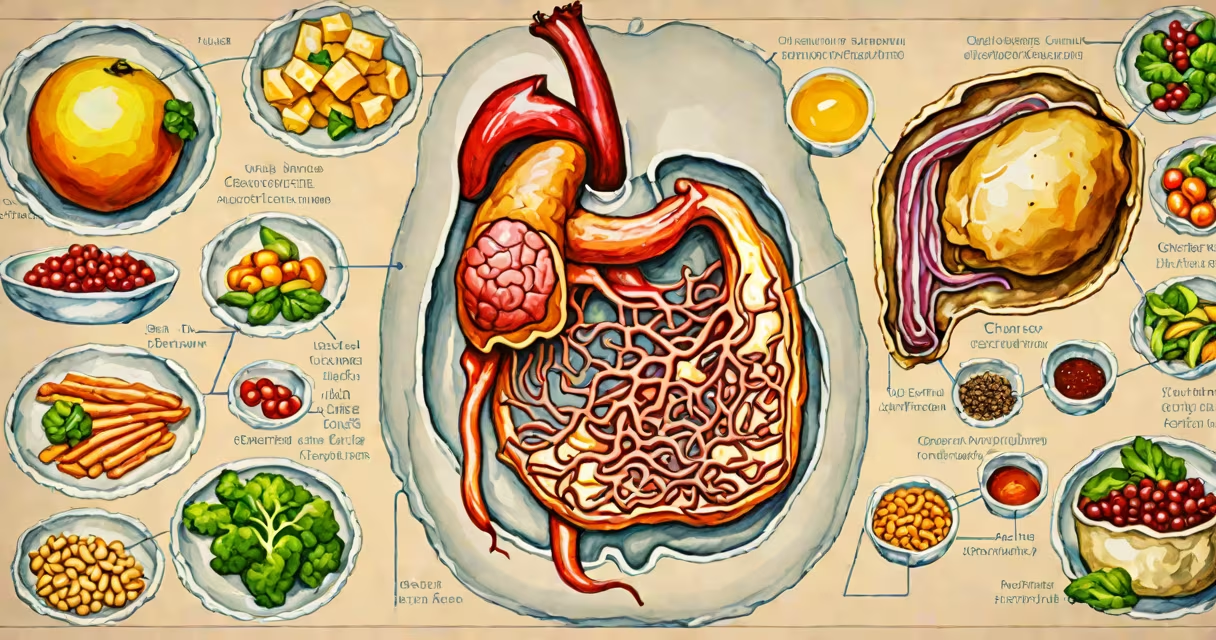
Delayed gastric emptying occurs when the stomach takes longer than normal to move food into the small intestine, typically exceeding 90 minutes for solid meals. This condition results from impaired muscle contractions or disrupted nerve signals controlling stomach motility, leading to symptoms like nausea, bloating, and early fullness.
Gastric emptying is regulated by coordinated contractions of the stomach wall, driven by the enteric nervous system and influenced by hormones like ghrelin and motilin. When this system fails, food remains in the stomach longer than expected. The most common cause is diabetic neuropathy, affecting up to 30% of people with long-standing type 1 or type 2 diabetes. Other triggers include post-surgical complications, autoimmune conditions, and certain medications.
According to the American Gastroenterological Association, delayed gastric emptying is diagnosed when scintigraphy shows less than 90% of a radiolabeled meal emptied from the stomach within four hours. A study published in Gastroenterology found that 60% of patients with unexplained nausea and vomiting had delayed emptying on testing, even without diabetes.
The stomach functions through rhythmic contractions called peristalsis, which mix and push food toward the pylorus-the valve between the stomach and small intestine. In delayed gastric emptying, these contractions weaken or become disorganized. This disruption can stem from structural, neurological, or hormonal issues.
Nerve damage is the primary mechanism. The vagus nerve controls stomach motility. When damaged-by surgery, trauma, or chronic illness-it fails to send proper signals to the smooth muscles of the stomach. Without adequate neural input, the stomach doesn't contract effectively, trapping food. In diabetic patients, high blood glucose levels gradually destroy peripheral nerves, including those in the gastrointestinal tract.
A 2021 study in Neurogastroenterology & Motility showed that 45% of patients with idiopathic gastroparesis had reduced interstitial cells of Cajal (ICC)-specialized pacemaker cells in the gut wall. These cells generate electrical rhythms that coordinate muscle contractions. Fewer ICCs lead to slower or irregular contractions, directly impairing emptying.
Delay in gastric emptying is categorized by cause. The most common types are diabetic, postsurgical, idiopathic, and medication-induced.
| Type | Prevalence | Key Cause | Common Triggers |
|---|---|---|---|
| Diabetic | ~30% of cases | Vagus nerve damage from prolonged hyperglycemia | Uncontrolled type 1 or type 2 diabetes |
| Postsurgical | ~15% | Direct injury to vagus nerve during abdominal surgery | Esophagectomy, gastric bypass, cholecystectomy |
| Idiopathic | ~40% | No identifiable cause; likely autoimmune or viral origin | Onset in young adults, often female |
| Medication-induced | ~10% | Drugs that slow GI motility | Opioids, anticholinergics, calcium channel blockers |
Idiopathic gastroparesis accounts for nearly half of all cases. It typically presents in women aged 20-40. Researchers suspect it may stem from an autoimmune response that attacks the myenteric plexus-the network of nerves in the intestinal wall. A 2019 study in Journal of Clinical Gastroenterology detected antibodies against neuronal proteins in 68% of idiopathic cases, suggesting immune involvement.
Medications are a frequently overlooked cause. Drugs such as hydrocodone, amitriptyline, and verapamil delay gastric emptying by blocking acetylcholine receptors or reducing smooth muscle activity. A review in Pharmacotherapy reported that 1 in 12 patients on long-term opioid therapy developed symptoms consistent with delayed emptying.
Delayed gastric emptying is often mistaken for simple indigestion or acid reflux. While both can cause nausea and bloating, reflux involves stomach acid rising into the esophagus, whereas delayed emptying traps food in the stomach. The key difference lies in symptom timing: reflux symptoms often occur after eating and worsen when lying down; delayed emptying symptoms persist for hours after meals.
Another confusion is equating it with irritable bowel syndrome (IBS). Both involve gastrointestinal discomfort, but IBS affects the large intestine and is linked to altered bowel habits and visceral hypersensitivity. Gastroparesis primarily affects the upper GI tract and is confirmed via imaging or scintigraphy.
A critical distinction: delayed gastric emptying is not synonymous with gastroparesis. Gastroparesis is a clinical diagnosis based on symptoms and test results. Delayed emptying is a physiological finding. Some individuals have delayed emptying without symptoms, while others have severe symptoms despite normal test results. This gap underscores the need for individualized evaluation.
In 2022, a 34-year-old woman presented with daily nausea, frequent vomiting of undigested food, and weight loss of 12 pounds over six months. She had no history of diabetes or surgery. Initial labs were normal. An upper endoscopy showed no obstruction. A gastric emptying scan revealed only 45% of a meal had emptied after four hours-well below the diagnostic threshold of 90%.
She was diagnosed with idiopathic gastroparesis. After ruling out medications and metabolic causes, her care team initiated dietary changes, prokinetic agents (like metoclopramide), and antiemetics. Over 10 weeks, her symptoms improved. Her case illustrates how delayed gastric emptying can develop without clear risk factors and requires objective testing for confirmation.
When evaluating suspected delayed gastric emptying, clinicians begin with a detailed history and physical exam. If symptoms persist, they order a gastric emptying study using a radiolabeled meal. Alternative tests include breath tests or wireless motility capsules, though scintigraphy remains the gold standard.
Understanding what causes delayed gastric emptying helps differentiate it from other GI conditions. It is not simply "slow digestion"-it is a measurable disruption in neuromuscular function. Accurate identification leads to targeted treatment and better quality of life.