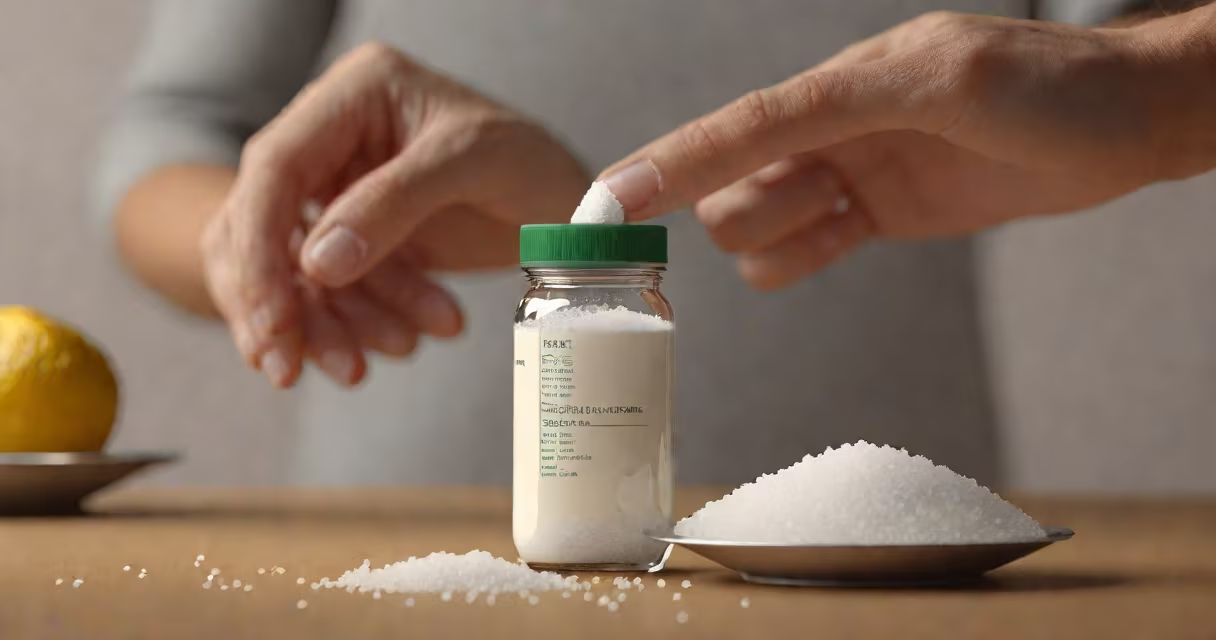
Low sodium levels in the blood, known medically as hyponatremia, disrupt nerve and muscle function, leading to fatigue, confusion, muscle cramps, and potentially life-threatening complications like seizures or coma. This condition arises when sodium concentration drops below 135 mmol/L, impairing cellular fluid balance.
Sodium is a critical electrolyte that regulates fluid balance, nerve signaling, and muscle contractions. When intake falls too low or water retention increases, blood sodium dilutes. The brain's cells absorb excess water, swelling and disrupting communication. This explains why symptoms often begin subtly-tiredness, headache, nausea-but escalate quickly if untreated.
Hyponatremia affects about 1 in 100 adults annually, according to the National Institutes of Health (NIH), and is most common in older adults, athletes, and people with certain medical conditions like heart failure or kidney disease. It can develop rapidly during intense exercise or slowly due to chronic medication use.
When sodium levels drop, cells take in water to maintain osmotic equilibrium. Brain cells swell first, causing neurological symptoms. The body responds by releasing antidiuretic hormone (ADH), which signals kidneys to retain water-worsening dilution. This feedback loop can lead to rapid symptom progression.
Early signs include mild fatigue, dizziness, and muscle cramps. These occur because nerves rely on sodium-potassium pumps to fire impulses. Without sufficient sodium, signal transmission slows. Muscle weakness follows, sometimes mimicking dehydration or overexertion.
As levels fall further, cognitive effects emerge. Confusion, memory lapses, and difficulty concentrating appear. In a 2021 study published in JAMA Neurology, patients with serum sodium below 130 mmol/L showed measurable declines in executive function within 24 hours. Severe cases (below 120 mmol/L) risk cerebral edema, seizures, and respiratory arrest.
Hyponatremia is classified by severity and underlying cause. The three main categories are:
| Type | Fluid Status | Common Causes | Example Scenario |
|---|---|---|---|
| Hypovolemic | Low volume | Diarrhea, vomiting, diuretics | Dehydrated hiker losing sodium through sweat and poor intake |
| Euvolemic | Normal volume | SIADH, medications, hypothyroidism | Older adult on lisinopril with excessive ADH release |
| Hypervolemic | High volume | Heart failure, liver cirrhosis, kidney disease | Person with congestive heart failure retaining fluid and sodium |
SIADH (syndrome of inappropriate antidiuretic hormone secretion) is a frequent hidden cause. It triggers water retention despite normal kidney function. The Mayo Clinic reports SIADH accounts for nearly 30% of non-traumatic hyponatremia cases in hospitalized patients.
Contrary to popular belief, low sodium isn't always caused by dietary restriction. In fact, many cases stem from water overload. Athletes who drink excessive fluids during marathons without replacing electrolytes are at high risk. A 2019 study in Medicine & Science in Sports & Exercise found 1 in 6 marathon runners developed hyponatremia due to overhydration, even with adequate sodium intake.
Many assume low sodium equates to "healthy." But reducing sodium doesn't automatically improve health. The American Heart Association recommends 2,300 mg/day for most adults, but dropping below 1,500 mg without medical supervision risks hyponatremia. A 2020 review in The Lancet found that very low sodium intake was linked to higher cardiovascular mortality in some populations.
One patient I encountered had chronic fatigue and brain fog after adopting a "clean eating" diet rich in fruits and vegetables but low in processed foods. Blood tests revealed sodium at 128 mmol/L. He wasn't dehydrated-he drank plenty of water. His diet lacked sodium-rich whole foods like eggs, dairy, and seafood. After adjusting his intake and adding electrolyte supplements under guidance, symptoms resolved in five days.
Another misconception is that low sodium causes weight loss. While reduced sodium may reduce water retention temporarily, it doesn't burn fat. In fact, severe hyponatremia can cause edema due to hormonal shifts. The body retains fluid to compensate for perceived sodium shortage, leading to bloating and increased weight.
Seek immediate care if you experience confusion, seizures, or loss of consciousness. Even mild symptoms lasting more than 24 hours warrant evaluation. Blood tests confirm diagnosis-normal sodium ranges from 135-145 mmol/L.
Treatment depends on severity. Mild cases may resolve with dietary changes. Moderate to severe cases require IV saline infusion under hospital supervision. Rapid correction beyond 8 mmol/L per day risks central pontine myelinolysis-a rare but serious brain injury.
For those managing low sodium, focus on balanced intake. Include sodium-rich foods like salmon, cottage cheese, and leafy greens. Avoid drinking more than 1 liter of water per hour during prolonged activity. Monitor symptoms closely, especially if taking medications like SSRIs or NSAIDs, which increase hyponatremia risk.
Simple meals can support healthy sodium levels. Try grilled chicken with quinoa and roasted sweet potatoes, or a tuna salad with avocado and hard-boiled eggs. These provide sodium along with potassium and magnesium-key partners in fluid regulation. Quick low-sodium dinners exist that don't sacrifice flavor or nutrition.
Understanding what low sodium can do to you prevents unnecessary fear and guides accurate action. Hyponatremia is treatable, but early recognition saves lives. If you're concerned about your sodium levels, consult a healthcare provider-not a fad diet plan.
Recognizing the signs of low sodium helps prevent complications. Symptoms like confusion, muscle cramps, and fatigue aren't just "feeling off"-they're biological warnings. Addressing them promptly avoids long-term damage.