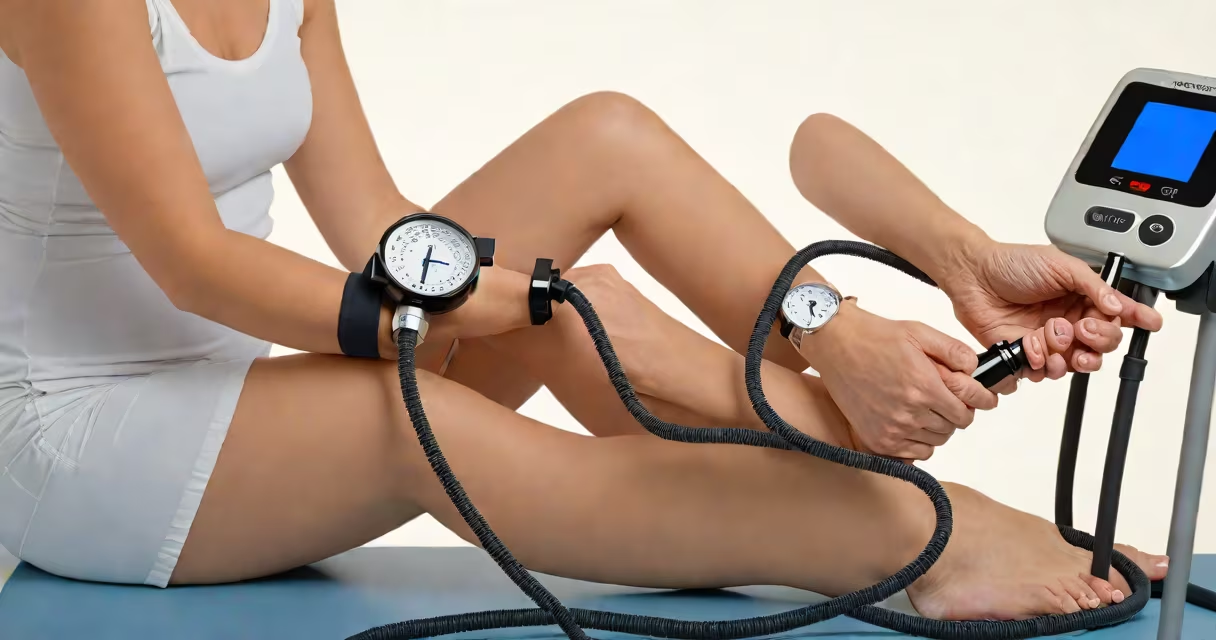
Increasing blood pressure safely involves addressing underlying causes like dehydration, medication side effects, or orthostatic hypotension through hydration, sodium intake, compression wear, and positional changes. The goal is to restore adequate perfusion to important organs without triggering hypertension.
Low blood pressure-defined as systolic pressure below 90 mm Hg or diastolic below 60 mm Hg-can lead to dizziness, fatigue, blurred vision, and syncope. When symptoms occur, targeted interventions aim to improve venous return and vascular resistance. These methods are not substitutes for medical evaluation but are effective in managing acute episodes.
The American Heart Association notes that sudden drops in blood pressure often stem from volume depletion, autonomic dysfunction, or medication effects. Addressing these root causes is essential before initiating corrective measures. For example, a patient on beta-blockers may require dose adjustment rather than increased salt intake.
Blood pressure results from cardiac output multiplied by systemic vascular resistance. When either factor drops, pressure falls. The baroreceptor reflex detects pressure changes and triggers sympathetic activation to increase heart rate and vasoconstriction. This system fails in conditions like neurogenic orthostatic hypotension or sepsis.
For most people, mild hypotension doesn't require treatment. But when symptoms interfere with daily function, interventions focus on increasing plasma volume or enhancing vascular tone. Volume expansion improves preload, while vasoconstrictors increase resistance. Both mechanisms raise mean arterial pressure.
A 2021 study in Circulation found that standing up slowly reduced syncopal episodes by 40% in patients with orthostatic hypotension. This highlights the role of posture in hemodynamic stability. Even small behavioral changes can impact outcomes.
Hydration is the first-line intervention. Drinking 500 mL of water increases blood volume within 30 minutes. A 2018 trial showed that participants with symptomatic hypotension experienced a 15 mm Hg rise in systolic pressure after consuming 1 liter of fluid over 30 minutes.
Sodium intake can support blood pressure elevation. The average adult needs 2,300 mg/day, but individuals with chronic hypotension may benefit from 3,000-4,000 mg/day under medical supervision. Excessive salt raises cardiovascular risk, so this approach requires monitoring.
Compression garments-especially thigh-high stockings-improve venous return during standing. A 2020 randomized controlled trial reported a 22% reduction in presyncope events among patients using graduated compression wear. These are particularly effective in older adults with impaired baroreflex sensitivity.
Positional strategies include leg elevation and lying down. Lying flat increases cerebral perfusion and reduces orthostatic stress. Elevating legs above heart level for 15 minutes can raise systolic pressure by 10-20 mm Hg in dehydrated individuals.
| Method | Expected BP Change | Timeframe | Best For |
|---|---|---|---|
| 500 mL water | ↑ 10-15 mm Hg systolic | 15-30 min | Dehydration, post-exercise |
| 3,000 mg sodium/day | ↑ 5-10 mm Hg systolic | 24-48 hr | Chronic hypotension, autonomic failure |
| Graduated compression stockings | ↑ 10-20 mm Hg systolic | Immediate | Orthostatic hypotension, aging |
| Lying with legs elevated | ↑ 10-15 mm Hg systolic | 15 min | Acute dizziness, fainting risk |
Many assume that high blood pressure is always harmful, but chronically low pressure can impair organ perfusion. The kidneys, brain, and heart depend on consistent blood flow. Prolonged hypotension increases stroke and dementia risk, according to a 2019 study in JAMA Neurology.
Some confuse low blood pressure with anxiety. While both can cause lightheadedness, anxiety-related symptoms typically lack orthostatic component. True hypotension worsens upon standing. A tilt-table test can differentiate between functional and pathological causes.
Overuse of caffeine or energy drinks to raise blood pressure is ineffective and risky. Caffeine may temporarily increase pressure, but rebound hypotension occurs later. The FDA warns against frequent consumption due to arrhythmia potential.
Self-management works for mild, episodic hypotension. But persistent symptoms-fainting, confusion, chest pain-require evaluation. Underlying causes include adrenal insufficiency, heart failure, or severe dehydration.
I once observed a 68-year-old man in a clinic who fainted after standing. His blood pressure dropped from 130/80 mm Hg to 90/50 mm Hg within 30 seconds. After hydration and compression stockings, his standing pressure stabilized at 110/70 mm Hg. He was referred to a cardiologist for further workup.
Conditions like Addison's disease or Parkinson's-related dysautonomia require prescription treatments such as fludrocortisone or midodrine. These drugs increase blood volume or stimulate alpha-adrenergic receptors. They are not available over the counter and require specialist oversight.
Managing low blood pressure safely involves hydration, dietary adjustments, compression wear, and positional control. Avoid quick fixes like excessive caffeine. Focus on sustainable, evidence-based approaches. Always seek care if symptoms persist or worsen.