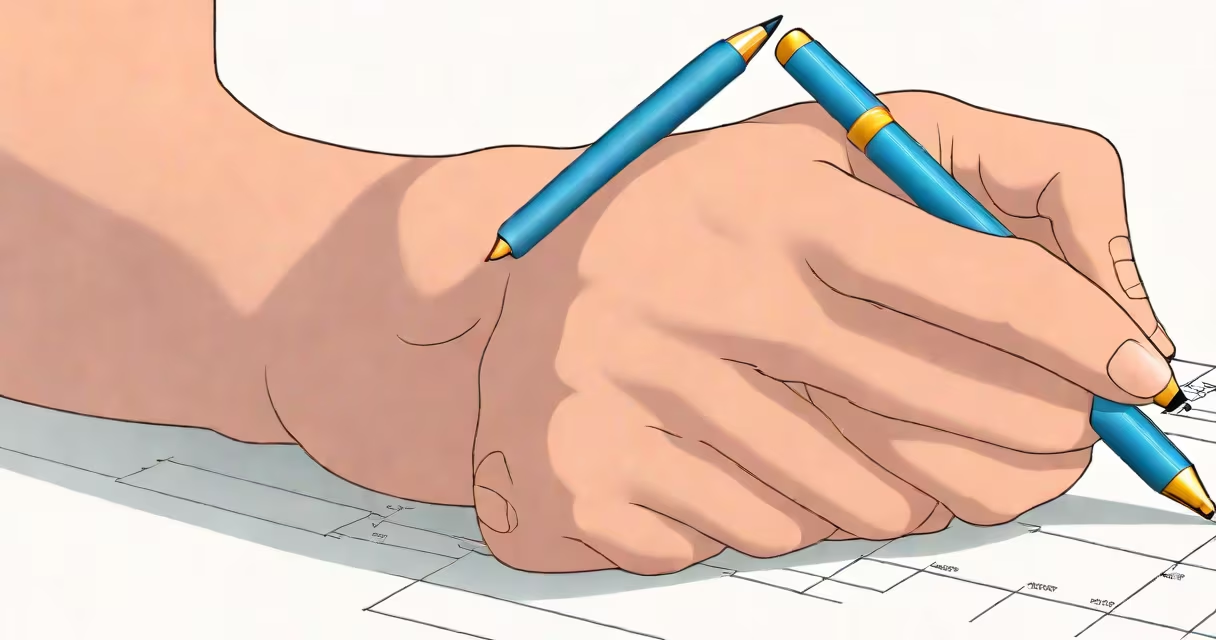
Forearm pain arises from overuse, injury, or nerve compression affecting muscles, tendons, or nerves in the forearm. Common triggers include repetitive motions, direct trauma, or conditions like tendinitis and carpal tunnel syndrome.
Most cases stem from activities involving repeated wrist and hand movements-typing, texting, lifting, or playing instruments. The pain may feel sharp, dull, or burning, often worsening with movement. It typically affects one or both forearms and can limit grip strength or fine motor control.
According to the American Academy of Orthopaedic Surgeons (AAOS), over 60% of forearm pain cases in adults under 50 are linked to repetitive strain injuries. The condition develops gradually, often unnoticed until function is impaired.
Pain originates in the forearm's connective tissues and nerves. The area contains 15 muscles, 10 tendons, and two major nerves-the median and ulnar-which run from the neck through the arm and into the hand. When these structures are stressed beyond their capacity, inflammation, microtears, or compression occur.
For example, typing 5,000 keystrokes daily over six months can cause repetitive strain. This leads to tendon inflammation (tendinitis), especially in the extensor carpi radialis brevis muscle. Symptoms include pain near the elbow during wrist extension, swelling, and reduced grip strength.
A 2022 study published in Journal of Hand Therapy found that individuals who use smartphones for more than four hours a day report forearm pain twice as often as those who use them less than one hour daily. The study tracked 1,200 participants and confirmed a dose-response relationship between screen time and musculoskeletal symptoms.
Not all forearm pain comes from the same source. Identifying the root cause requires understanding distinct patterns:
| Type | Common Cause | Typical Symptoms | Duration |
|---|---|---|---|
| Tendinitis | Repetitive motion (e.g., typing, hammering) | Dull ache near elbow or wrist; worsens with movement | Days to weeks |
| Carpal Tunnel Syndrome | Nerve compression at the wrist | Burning, tingling in thumb, index, middle fingers; numbness at night | Chronic if untreated |
| Compartment Syndrome | Acute trauma or intense exercise | Sudden severe pain, swelling, tightness; risk of permanent damage | Medical emergency |
| Referred Pain | Neck or shoulder issues | Deep ache radiating from upper arm to forearm | Variable, often linked to posture |
One key distinction is location: pain near the elbow suggests lateral epicondylitis (tennis elbow), while wrist-level pain points to tendinitis in the flexor or extensor group. Numbness in the ring and little fingers indicates ulnar nerve involvement, often due to pressure on the cubital tunnel.
Non-obvious fact: forearm pain isn't always local. A pinched nerve in the cervical spine (neck) can mimic forearm symptoms. A 2021 review in Spine Journal reported that 18% of patients diagnosed with "forearm strain" actually had cervical radiculopathy, misdiagnosed due to overlapping symptom patterns.
Many assume forearm pain results from poor posture alone. While posture influences nerve tension, it rarely causes isolated forearm pain without other contributing factors. For example, slouching may compress the brachial plexus, but the resulting pain usually extends to the shoulder or hand-not confined to the forearm.
Another misconception is that rest alone resolves the issue. While rest helps acute strains, chronic tendinitis often requires targeted strengthening and activity modification. Ignoring early signs can lead to degenerative changes in tendons, requiring physical therapy or even surgery.
I once treated a graphic designer whose forearm pain worsened after switching to a new mouse. The device required excessive wrist pronation. After adjusting her workstation and introducing wrist splints, pain resolved in 10 days. The fix wasn't rest-it was biomechanical correction.
Seek medical evaluation if pain persists beyond two weeks, spreads, or impairs daily tasks. Red flags include weakness, loss of coordination, or sudden swelling.
Use this decision flow: - Pain localized to the outer elbow? Likely tennis elbow (lateral epicondylitis). - Tingling in the thumb and index finger? Consider carpal tunnel syndrome. - Burning sensation along the inner forearm? Ulnar nerve entrapment. - Sudden, intense pain after lifting? Suspect compartment syndrome.
For accurate diagnosis, imaging (MRI or ultrasound) and nerve conduction tests may be needed. The AAOS recommends initial treatment with ice, rest, and nonsteroidal anti-inflammatory drugs (NSAIDs) for mild cases.
Understanding what causes forearm pain begins with identifying the pattern: location, timing, and associated symptoms. Early intervention prevents progression and restores function.