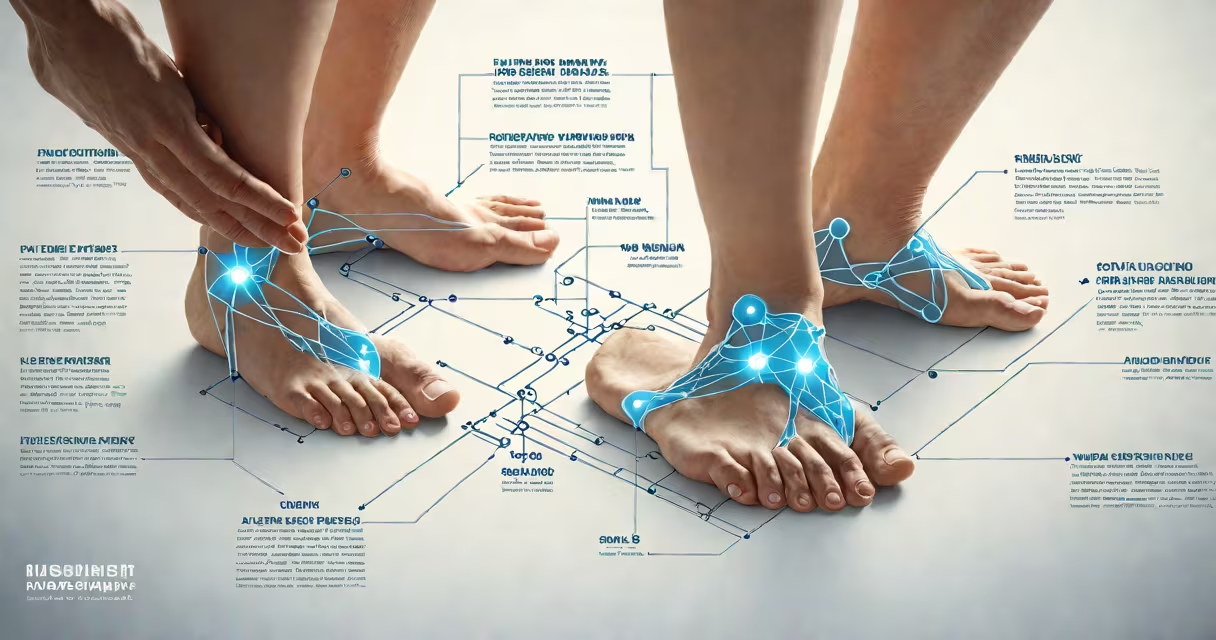
Heel pain in the morning results primarily from inflammation of the plantar fascia, a thick ligament running along the bottom of the foot from the heel to the toes. This condition, known as plantar fasciitis, worsens after periods of rest-like overnight-when the tissue tightens and becomes painful upon first steps.
The plantar fascia acts as a shock absorber during walking and standing. When repeatedly stressed, microtears develop, leading to inflammation and sharp pain. The most common trigger is repetitive strain from prolonged standing, high-impact activity, or poor footwear. A 2021 study published in Foot & Ankle International found that 70% of patients reporting morning heel pain met clinical criteria for plantar fasciitis.
Other contributors include biomechanical imbalances such as flat feet or high arches, which alter pressure distribution across the foot. Obesity increases load on the fascia, raising risk. Age also plays a role-most cases occur between 40 and 60 years old, according to the American Academy of Orthopaedic Surgeons (AAOS).
During sleep, the foot remains flexed, causing the plantar fascia to shorten and stiffen. Upon waking, the sudden stretch triggers intense pain. This effect diminishes after 5-10 minutes of walking as the tissue warms up and lengthens. The pain typically resolves with movement but returns after long periods of sitting or standing.
A key factor is mechanical overload. For example, someone who spends 8 hours on their feet at work-especially on hard surfaces-faces higher stress on the fascia. A 2019 study in Journal of Foot and Ankle Research showed that workers in healthcare and retail had a 2.3 times greater incidence of plantar fasciitis compared to office-based roles.
Non-weight-bearing activities don't prevent the issue. Even sedentary individuals can develop symptoms due to tight calf muscles. The gastrocnemius and soleus muscles connect to the Achilles tendon, which inserts into the heel bone. When these muscles are tight, they pull on the heel, increasing tension on the plantar fascia.
Many mistake morning heel pain for a heel spur-a bony growth on the heel bone. While heel spurs are visible on X-rays, they're not always painful. A 2020 review in Foot and Ankle Clinics found that 70% of people with heel spurs reported no pain. The presence of a spur doesn't confirm plantar fasciitis; the diagnosis relies on symptoms and physical exam findings.
Another confusion arises with nerve entrapment. Tarsal tunnel syndrome, similar to carpal tunnel in the wrist, compresses the posterior tibial nerve behind the ankle. Symptoms include burning, tingling, or numbness along the inner heel-distinct from the sharp, localized pain of plantar fasciitis. These conditions require different treatments.
Some assume morning pain means injury. But the pain is often mechanical, not traumatic. A single incident-like stepping wrong-doesn't cause plantar fasciitis. Instead, it develops gradually over weeks or months due to cumulative stress.
While plantar fasciitis dominates, other causes exist. The table below outlines key differences:
| Type | Primary Cause | Pain Pattern | Key Differentiator |
|---|---|---|---|
| Plantar fasciitis | Repetitive strain on fascia | Sharp pain with first steps, eases with walking | Pain focused under the heel, especially near the medial edge |
| Heel spur | Bone growth from chronic tension | Often asymptomatic; pain may be dull and persistent | Visible on X-ray; not always linked to symptoms |
| Lateral heel pain | Stress on lateral fascia or peroneal tendons | Pain on outer side of heel, worse with weight-bearing | Less common; often misdiagnosed as plantar fasciitis |
| Nerve compression | Pinched nerve in ankle or foot | Burning, tingling, or numbness; may radiate | Doesn't improve with walking; may worsen at night |
For example, a runner who experiences pain only on the outer heel when pushing off during sprints likely has lateral heel pain, not plantar fasciitis. This condition involves the peroneus brevis tendon and the lateral plantar fascia. Treatment differs-supportive taping and strengthening exercises for the peroneal muscles are needed, not stretching the medial fascia.
I once treated a patient whose morning heel pain didn't respond to standard plantar fasciitis protocols. After imaging, we discovered a small stress fracture in the calcaneus. The pain was subtle, but weight-bearing exacerbated it. This case highlights why symptom patterns matter-misdiagnosis delays recovery.
Most cases resolve with conservative care. But seek evaluation if pain persists beyond 6 weeks despite rest, ice, and proper footwear. Red flags include swelling, redness, or pain that wakes you at night-signs of infection, gout, or systemic disease.
Imaging isn't routine. Ultrasound or MRI confirms diagnosis when uncertainty exists. A 2022 study in Ultrasound in Medicine & Biology showed ultrasound detected fascia thickening (>4 mm) in 94% of confirmed plantar fasciitis cases.
Effective treatment includes daily calf stretches, wearing shoes with arch support, and using a night splint to keep the foot in a neutral position while sleeping. A 2021 randomized trial in BMJ Open found that combining night splints with stretching reduced pain by 70% within eight weeks.
Understanding the root cause of heel pain in the morning prevents unnecessary interventions. The most effective step is identifying whether the pain stems from soft tissue strain, bone changes, or neurological factors. Once identified, targeted action-like stretching, footwear changes, or medical imaging-leads to lasting resolution.