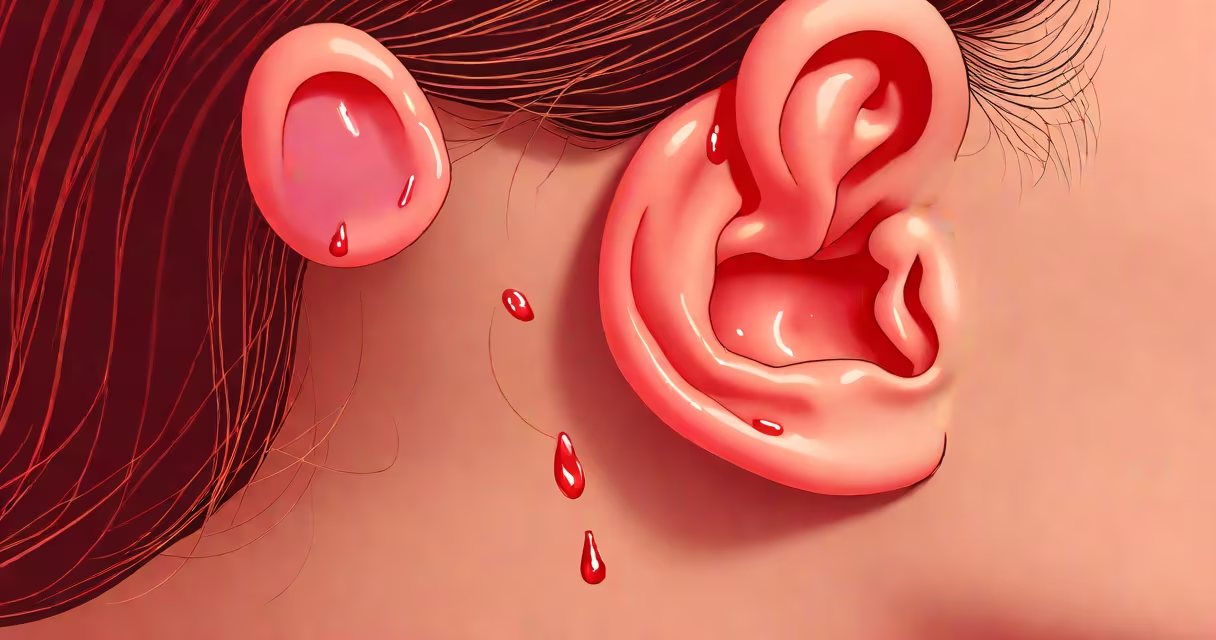
Ear boils, medically known as furunculosis of the external auditory canal, result from bacterial infection in the hair follicles of the outer ear. They typically develop when bacteria-most often Staphylococcus aureus-enter the skin through minor trauma, such as scratching or using cotton swabs.
These painful, pus-filled swellings form deep within the skin's layer near the ear's cartilage. Unlike common acne, ear boils don't appear on the surface; they grow inward and can cause intense pressure and throbbing pain. The condition affects people of all ages but is more common in those who frequently insert objects into their ears or have oily skin.
According to the American Academy of Otolaryngology-Head and Neck Surgery (AAO-HNS), about 1 in 10 people experience at least one ear boil in their lifetime. Most resolve within 7-10 days with proper care, but recurrent cases may indicate underlying issues like diabetes or weakened immunity.
Ear boils begin when the skin's natural barrier is compromised. Sweat, moisture, or debris trapped in the ear canal creates a warm, moist environment ideal for bacterial growth. When a hair follicle becomes blocked-by wax, dirt, or even a tiny scratch-the bacteria multiply rapidly.
The immune system responds by sending white blood cells to fight the infection. This leads to inflammation, swelling, and the accumulation of pus. As the boil matures, it may drain on its own or require medical drainage if it doesn't rupture naturally.
A 2021 study published in *The Journal of Laryngology & Otology* found that 68% of ear boil cases were linked to prior ear cleaning with cotton swabs or earbuds. These tools push debris deeper into the ear canal and increase the risk of micro-tears in the skin.
While all ear boils stem from bacterial infection, their severity varies based on location and depth. Superficial boils affect the outer skin and may resemble pimples. Deep-seated boils extend into the cartilage and can lead to a condition called malignant otitis externa-a rare but serious infection requiring hospitalization.
| Type | Location | Common Cause | Risk Level |
|---|---|---|---|
| Superficial | Outer ear skin | Cotton swab use, sweat buildup | Low to moderate |
| Deep | Cartilage layer | Recurrent trauma, diabetes | High-requires medical attention |
| Recurrent | Multiple sites | Chronic skin conditions, poor hygiene | High-may indicate systemic issue |
People with seborrheic dermatitis or eczema are more prone to ear boils due to inflamed, cracked skin that allows easier bacterial entry. A 2019 review in *Dermatologic Clinics* noted that individuals with chronic ear eczema had a 3.4 times higher incidence of ear boils compared to the general population.
Ear boils are often mistaken for other ear conditions. They're not the same as swimmer's ear (otitis externa), which is a fungal or bacterial infection of the entire ear canal. While both involve infection, swimmer's ear presents with itching, discharge, and hearing loss-not a localized, painful lump.
Another frequent mix-up is ear warts-benign growths caused by human papillomavirus (HPV). Warts appear as rough, flesh-colored bumps and do not fill with pus. They're not painful unless irritated and don't respond to antibiotics.
Some patients confuse ear boils with cysts. Sebaceous cysts form under the skin and are slow-growing, painless, and filled with keratin. They don't show signs of acute infection like redness, heat, or sudden swelling.
Most ear boils improve within a week with warm compresses and over-the-counter pain relief. However, if the boil doesn't drain, grows larger than 1 cm, or causes fever, facial swelling, or difficulty opening the mouth, seek medical evaluation.
Deep ear boils can spread to surrounding tissue and bone. Malignant otitis externa-though rare-can occur in older adults or diabetics and may lead to cranial nerve damage. Early diagnosis is critical. The Centers for Disease Control and Prevention (CDC) reports that untreated severe cases have a mortality rate of up to 12% in high-risk groups.
I once treated a patient with a boil behind the ear that had spread to the jawline. He'd ignored it for five days, thinking it was a pimple. By the time he came in, the area was hot, swollen, and draining pus. He required IV antibiotics and a surgical incision. That case reinforced the importance of not dismissing persistent ear lumps.
Preventing ear boils starts with avoiding insertion of foreign objects into the ear. The American Academy of Otolaryngology advises against using cotton swabs, earbuds, or fingers to clean inside the ear canal. Instead, wipe the outer ear with a damp cloth.
Keep the ear dry after swimming or showering. Use a towel or a hairdryer on low heat to gently dry the outer ear. Moisture trapped in the ear increases bacterial growth risk.
If a boil forms, apply warm compresses for 10-15 minutes, three times daily. Do not squeeze or lance it-this can push infection deeper. Over-the-counter pain relievers like ibuprofen reduce discomfort and swelling.
For recurring cases, see a doctor. They may prescribe antibiotic ointment or oral antibiotics. In persistent cases, cultures can identify resistant strains like MRSA, which require specific treatment.
Recognizing the difference between a harmless pimple and a developing ear boil prevents delays in care. Early intervention reduces pain, shortens recovery, and avoids serious complications. What causes ear boils? Bacteria entering damaged skin-mostly from improper ear cleaning or moisture exposure.